A wedding is not a ceremony, it's a life-altering event that joins two hearts, two families, and two heritages. Every detail counts, from the chuppah that symbolizes the newlywed's abode to the modest gold ring that seals their vows. There is also a subtle yet powerful place for jewelry in this story. Couples have chosen pieces generation after generation that communicate faith, love, and tradition. A plain wedding band, a family heirloom, or a symbolic pendant whatever the selection Jewish bridal jewelry combines the elegance of tradition with the refinement of modern design. This book explores the symbolism, tradition, and artistry of Jewish wedding jewelry, its uniqueness, what regulates it, and how it is a classic in transition.
The Meaning Behind Jewish Bridal Jewelry
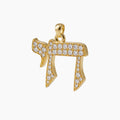
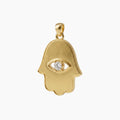
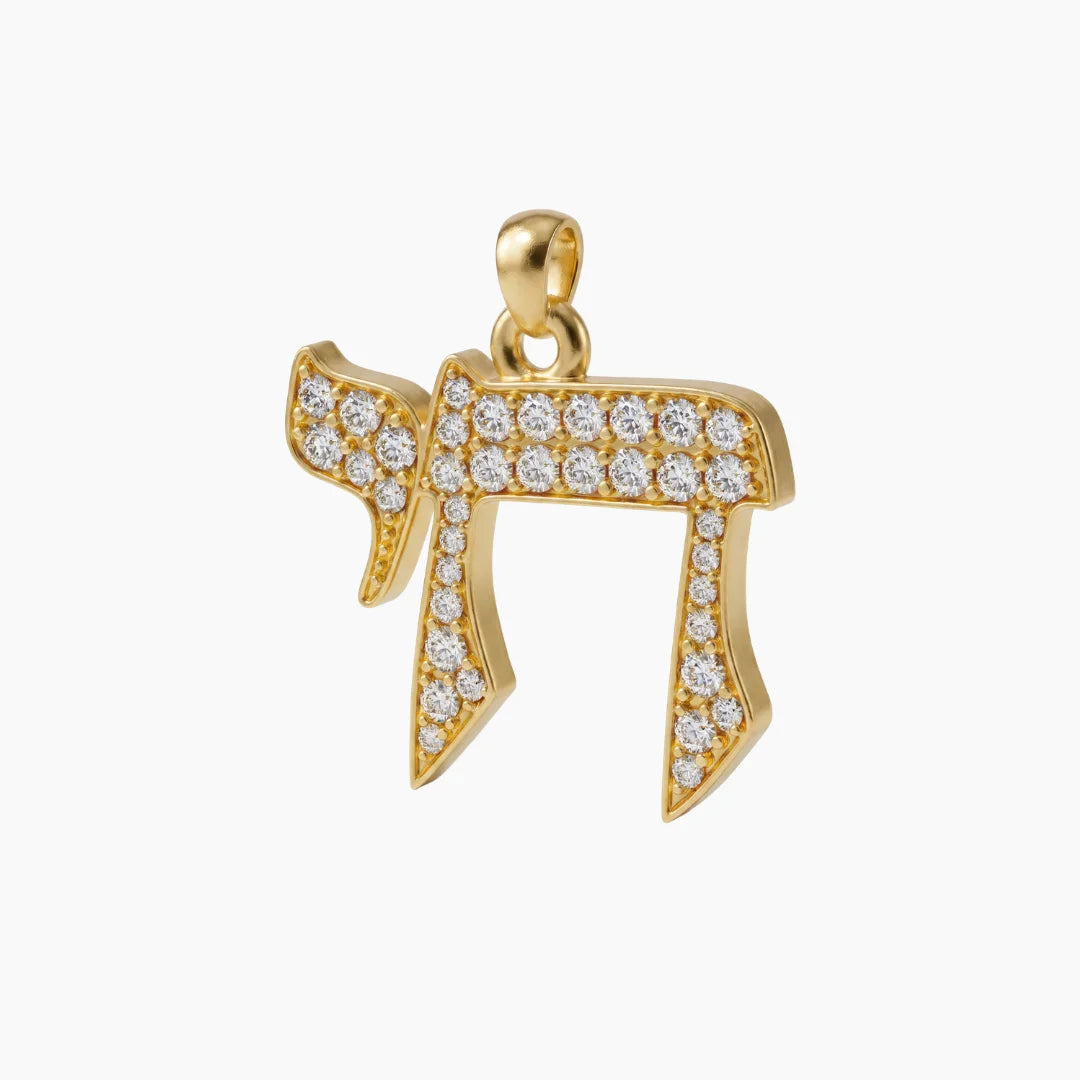
There is more to Jewish bridal jewelry than superficial decoration; it's spiritual language and heritage. Each piece is infused with a narrative, a symbol of blessing, atonement, or protective energy, reminding the couple of the two of them and what they are bringing into existence together. In Judaism, jewelry has been a way of carrying blessings for centuries. A pendant with Chai ("life") or a Hamsa to ward off evil is not only beautiful, it's a prayer kept close to the heart. On a wedding day, these symbols take on an even deeper form, representing love, continuity, and God's presence in the home being created. Brides most commonly choose pieces that honor generations before them: a grandmother's ring, a pendant given at a bat mitzvah, or a design drawn from symbols of Israel. Bridal jewelry, therefore, is a bridge between faith and individual expression, past and future.
How Tradition Shapes Modern Jewish Weddings
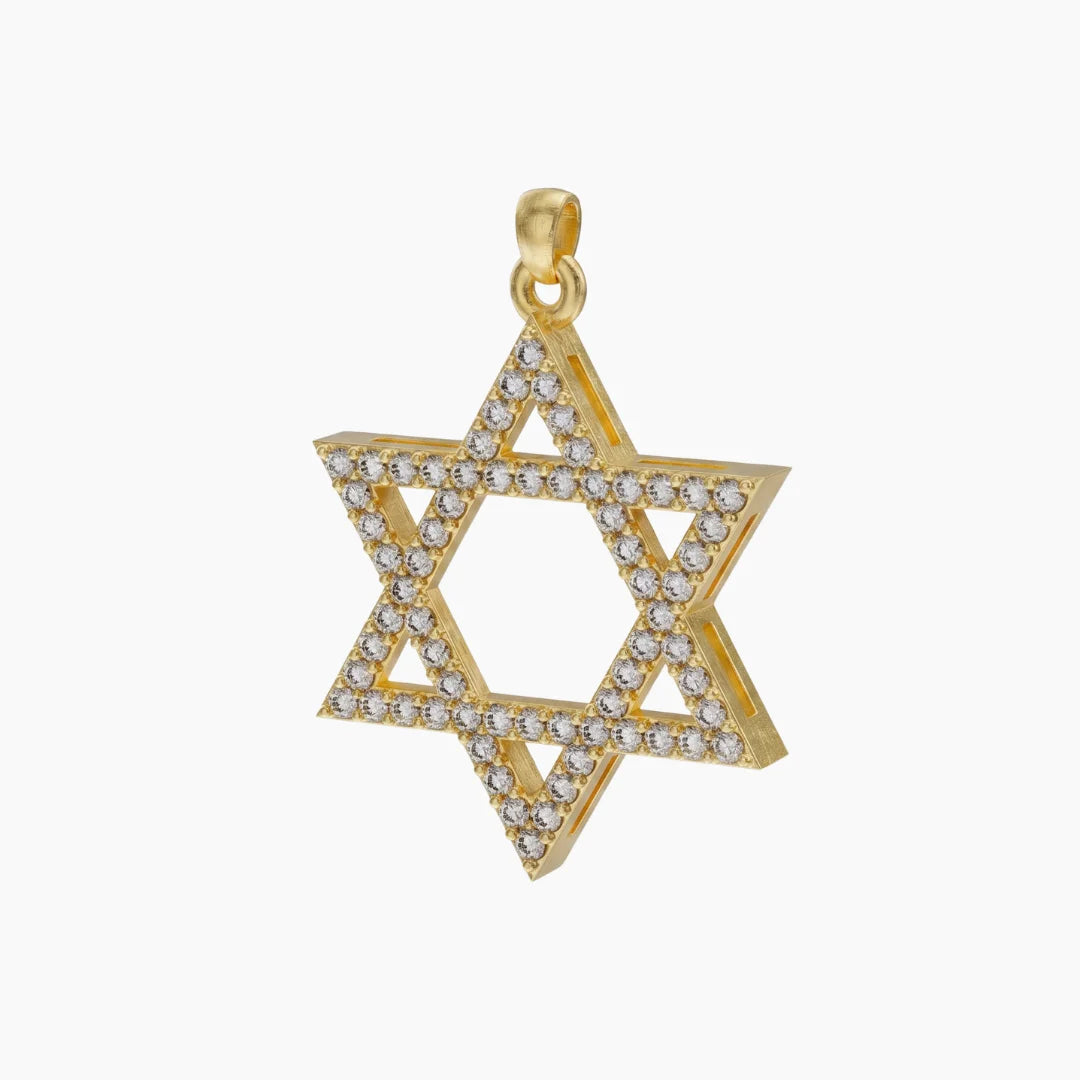
Modern Jewish weddings blend traditions of old with individual flair. A bride may wear a simple gold wedding band under the chuppah but add to it afterward with other symbolic jewelry, such as earrings that symbolize Jerusalem or a necklace shaped like a Star of David. Tradition forms the foundation; design communicates.
The Wedding Ring Under the Chuppah
Few Jewish items are more symbolic than the wedding ring. Under the chuppah, the canopy which is symbolic of the couple's new home, the groom places a ring on the bride's right index finger and recites, "Behold, you are consecrated to me with this ring according to the laws of Moses and Israel."
Why the Ring Must Be Simple and Whole
Jewish law teaches that the wedding ring has to be plain, unbroken, and of solid metal, usually gold. It should be without stones, engravings, or other adorments that may hide its value. The simplicity represents honesty and unity, a love without deceit or fragmentation. It also has the effect of having the act of giving the ring unmistakable and evident, with no possibility of questioning its value.
Jewish Wedding Ring Rules and Symbolism
The ring's round form represents eternity, an eternal love with neither start nor end. The ring makes the marriage solemn once it is given, based on Jewish tradition. The bride traditionally has only the groom place the ring on her finger; nowadays, in most weddings, couples exchange rings to each other following the formal blessing as a sign of mutual commitment.
When and How Brides Add Diamond or Etched Bands
Following the wedding ceremony, many brides and grooms choose to add another ring, possibly a diamond band or inscribed ring, to represent partnership and modern style. These can be worn side by side on the left hand or separately, depending upon family or ethnic practice. So, the simple gold ring continues its sacred purpose, and the additional piece celebrates uniqueness and beauty.
Do Jewish Brides Wear Other Jewelry?
While the wedding band is the focal point, Jewish brides wear other items that are spiritually or personally significant. The rule of thumb is balance, elegance that enhances the moment and not the distraction from it. Modesty is important to Jewish tradition, particularly on special occasions. It doesn't mean that a bride cannot beautify herself, it means that her jewelry must express elegance, not flash. Pearls, beautiful gold, or delicate diamond embellishments are favorites, symbolizing purity and light. Each piece is typically chosen with meaning: earrings presented by parents, a necklace passed down, or a bracelet with a motivational verse inscribed on it. They are not only decorations, they are quiet blessings worn on the sanctiest day of existence.
Common Bridal Pieces: Earrings, Necklaces, and Heirlooms
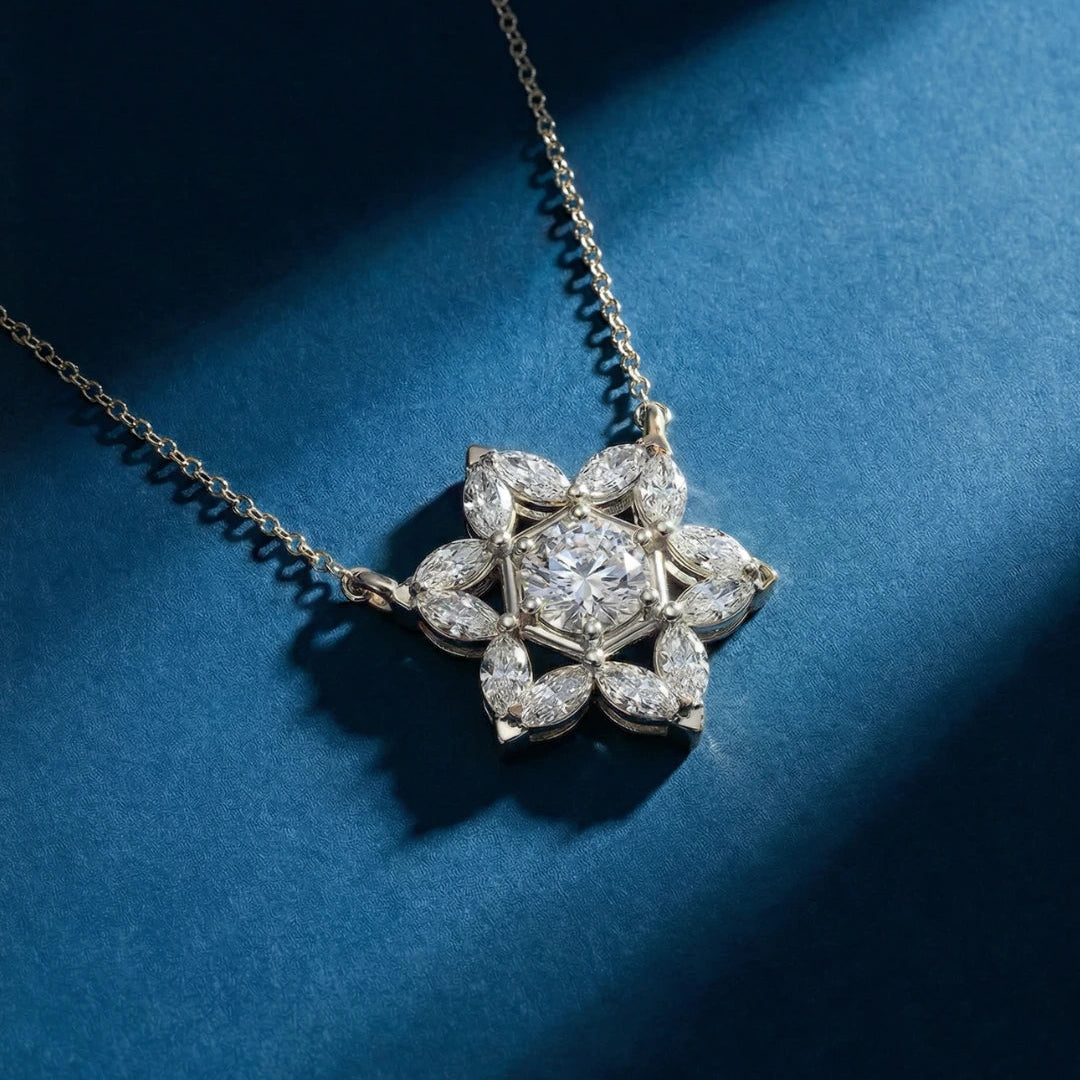
Most brides have very small earrings or dainty pendants with Jewish symbols, a Hamsa for protection, a Chai for life, or a Star of David for faith. Family heirloom items are especially precious, connecting the bride to the women who came before her. Every gem, every sparkle of gold, brings history and love into the new home she is building.
Materials and Colors in Jewish Wedding Jewelry
Gold and Silver in Jewish Tradition
Gold is the traditional choice for Jewish wedding rings, recalling sanctity, purity, and God's presence. Its golden sheen is a call back to the constantly burning, a reprise of the menorah and the glory of the Temple in Jerusalem. Silver calls forth humility and redemption. Some brides use both metals as a reminder of balance: light and might, giving and receiving.
White, Gold, and Symbolic Purity on the Wedding Day
White has always had a special place at Jewish weddings, representing purity and beginnings. Brides balance their white attire with gold or silver ornamentation to strike equilibrium between fleshly beauty and spirituality. This equilibrium, modesty with brilliance, speaks of the essence of a Jewish wedding: heavenly rejoicing rooted in religion.
Unique and Vintage Jewish Bridal Jewelry
Family Heirlooms Passed Through Generations
The jewelry passed down through mothers, grandmothers, or great-grandmothers possesses a strength that no new piece of jewelry can ever match. A classic Magen David pendant or an unadorned bracelet that came from an ancestor's wedding becomes a living connection between generations, l'dor v'dor (from generation to generation). To wear one such piece is not just about tradition; it is about continuity in action.
Vintage Designs and Timeless Judaica Motifs
Ancient Judaica patterns, gold filigree, engraved Hebrew letters, and Jerusalem designs have crept back subtly into modern bridal fashion. They are reminders that beautiful things never disappear; they become richer by the passing of time. Most brides now choose accessories that take cues from designs of the past, combining heritage with elegance for an eternally looking style.
Symbols in Jewish Wedding Jewelry
Symbols have been at the forefront of Jewish jewelry and art ever since, with meanings of protection, religion, and life. On the wedding day, however, these symbols take on a new meaning, they are blessings which the couple bestow upon their future life together.
The Star of David: Identity and Unity
The Magen David (Star of David) represents heavenly protection and Jewish heritage. Its two interlocking triangles, the upward and the downward, symbolize balance between a heavenly and an earthly life, a spiritual and material life, a male and a female life. Wearing a little Star of David pendant can be a bride's private way of having faith near her heart as she begins her new life.
The Chai and Hamsa: Life and Protection
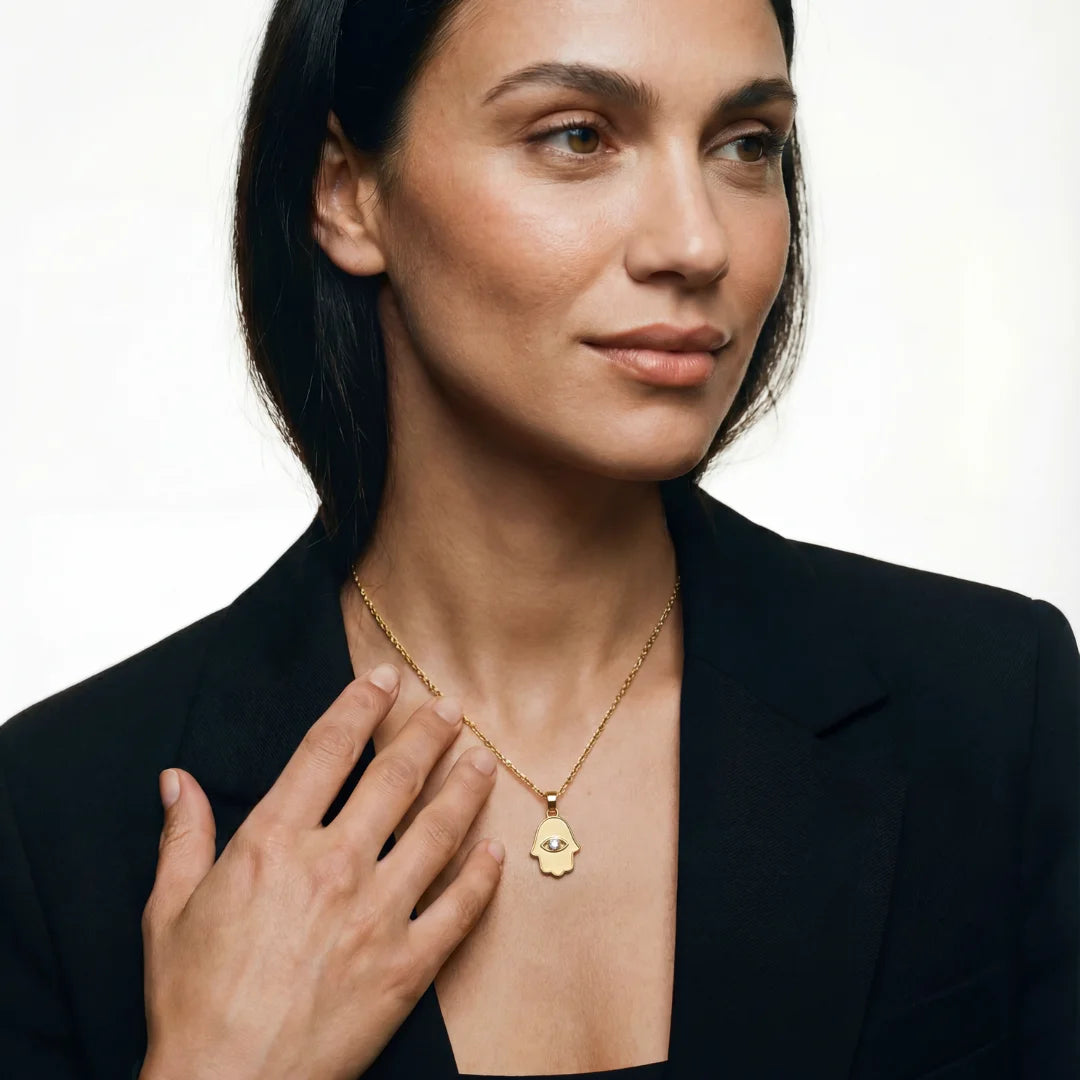
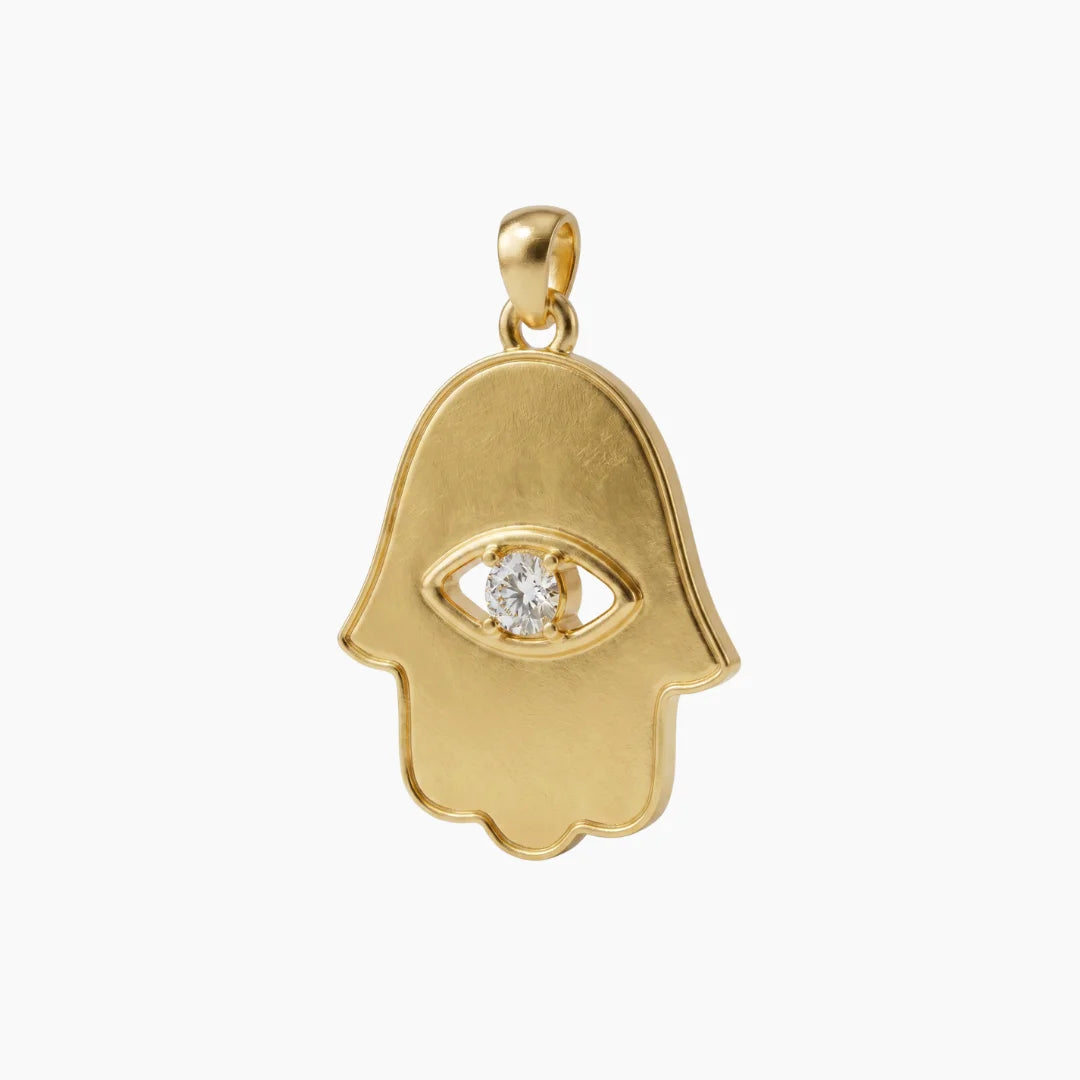
The Hebrew word Chai (חי), meaning "life," is a common pendant choice by brides or given as a gift before the wedding. It represents the desire for a happy, blessed family with a lot of life and love. The Hamsa, in the shape of an open hand, has been used for centuries as a protective charm, a symbol of God's hand shielding the wearer from harm. When complemented with gemstones or used with an Evil Eye design, it represents God's protection and watchfulness.
The Evil Eye: Guarding the Couple from Envy
Typically paired with the Hamsa, the Evil Eye (or Ayin Hara in Hebrew) is a symbol worn to repel jealousy and bad luck. The brides may wear it inconspicuously, as a small pendant or charm, for peace and protection on their wedding day and into the future. It's not superstition; it's a quiet declaration of faith in the belief that love must be safeguarded.




 Change the setting around a meaningful piece rather than saving it for only one kind of day.Styling Judaica Jewelry for Everyday and Special Occasions
 Create a polished look through proportion, contrast and one meaningful focal piece.Statement Jewish Jewelry Styling
 Create a personal arrangement that respects fit, movement and the settings of each ring.How to Style Jewish Symbol Rings Together
 Men’s JewelryMen’s Jewish Jewelry: Modern Masculine Styles from Israel
 Styling & TrendsJewish Jewelry Trends 2026: What’s Popular in Modern Judaica
 Necklaces StylingHow to Layer Jewish Symbol Necklaces: A Modern Styling Guide