Trend 4: Men’s Jewish Jewelry Finds Its Voice
Bold Star of David and Hamsa Pendants for Men
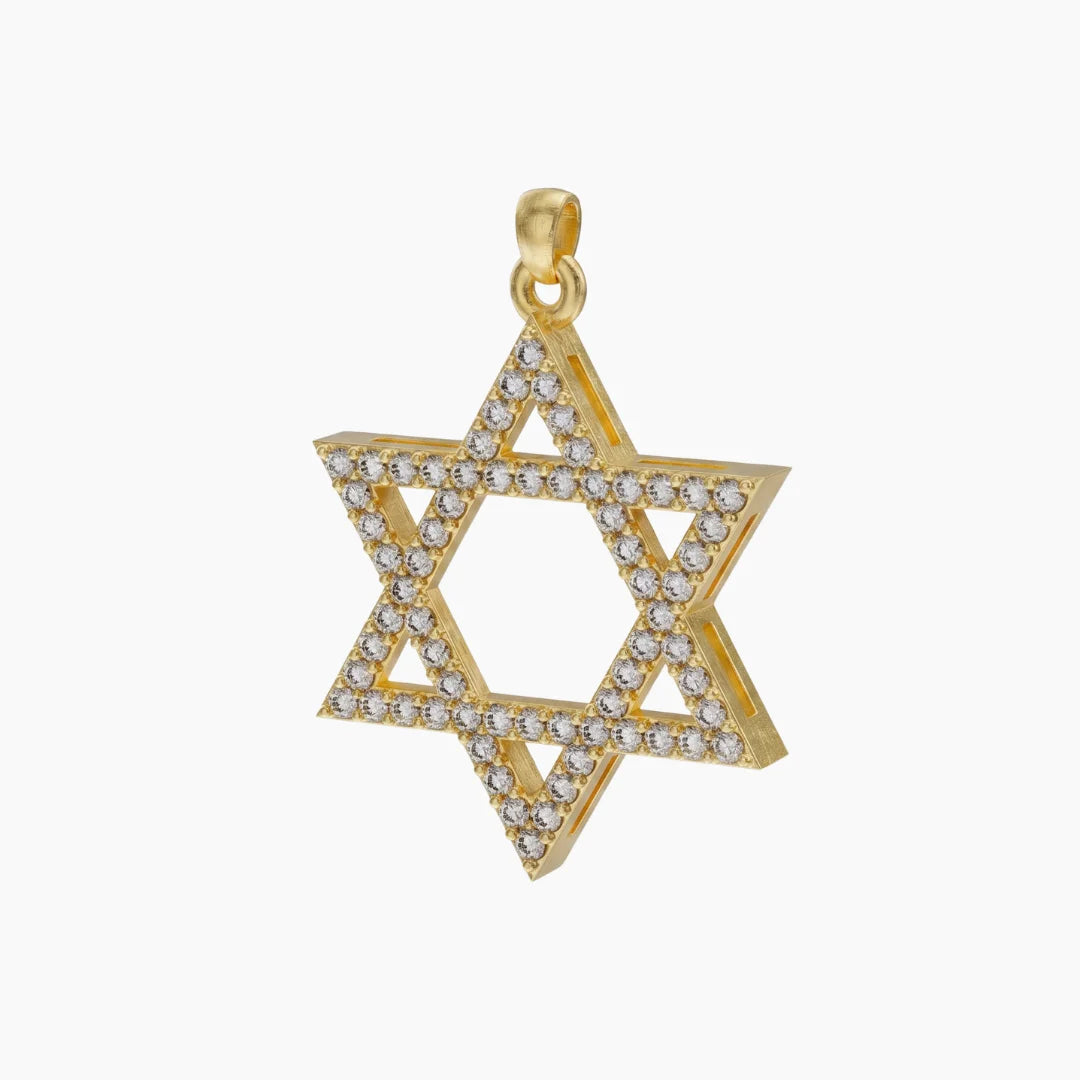
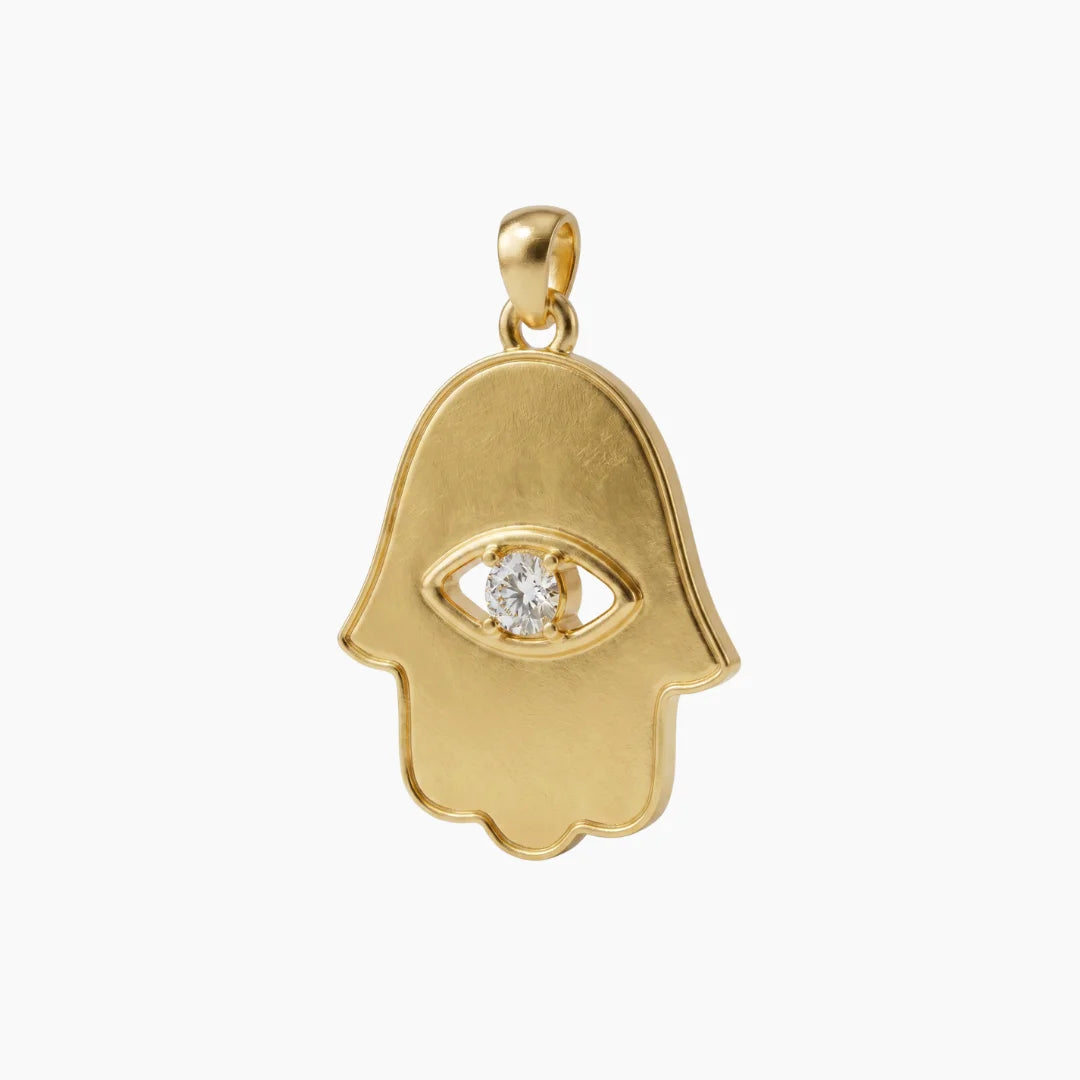
For many many years, Judaica jewelry was for women. But lately, and most especially in 2026, Jewish men are claiming symbolic jewelry as their own proud statement of faith, heritage, and strength. The classic Magen David now is being redefined for men: stronger chains, more robust lines, and modern finishes in silver, gold, or blackened steel. The Hamsa, which was once dainty, now is in geometric or minimalist shapes that exude a confident yet subtle presence. These pieces aren't flashy, they're strong by restraint.
Modern Masculinity Meets Faith and Heritage
For the average man, wearing Jewish jewelry is a discreet statement of belonging. It's more about wearing identity, less about fashion. A pendant subtly worn under a dress shirt, a bracelet covered in Hebrew script, or a ring with subtle Judaica motifs, all denote self-assurance that stems from heritage. In 2026, men's Judaica shows us power and spirituality can coexist as one, bold, meaningful, and lasting.
Trend 5: Vintage Revival and Heirloom Inspiration
Old-World Filigree and Engraved Hebrew Letters
In 2026, renewal is nostalgia. Old Judaica is back softly but powerfully, not as old-fashioned, but as a way to introduce history to the new era. Designers are reworking old methods like filigree goldwork and hand engraving, both of which were once commonplace in Jewish jewelry across Europe and the Middle East. Hebrew phrases, blessings, and scripture are once again being etched on pendants and rings as art becomes religion. The jewelry is the history of homes, prayers, and generations that came before.
Jewelry Passed Down: "From My Grandmother to My Daughter"
Heirloom pieces of jewelry still hold deep emotional meaning. A mother's Hamsa necklace, a grandmother's Star of David pendant, or a wedding-passed-down ring, these hold more than appearance; they hold blessings. The retro trend has respect for that custom, reminding us that with Jews, jewelry is never just metal, but memory, passed from heart to heart.
Trend 6: Personalization and Hebrew Letter Jewelry
Personalization is transforming Jewish jewelry in 2026. Where we used to wear general symbols, today individuals are adding their names, prayers, and blessings, and thus each piece becomes a symbol of who they are and what they believe.
Custom Hebrew Names and Blessings in Gold
Hebrew name necklaces are now a beautiful expression of pride and identity. Worn in cursive or block script, these are personalized items, a way to commemorate language, family, and religion. Some even have a birthstone or tiny diamond to add extra individuality and meaning.
Engraved Phrases and Modern Identity Pieces
Hastily uttered pronouncements like Ani L'dodi V'dodi Li ("I am my beloved's, and my beloved is mine") or Am Yisrael Chai ("The people of Israel live") are engraved in wedding rings, bracelets, and necklaces. These Identity Accessories turn basic jewelry into expressions of love, power, and unity, spoken softly, but full of essence.
Trend 7: Everyday Spirituality, Judaica Beyond Holidays
Wearing Faith Daily: Simple Pieces with Deep Meaning
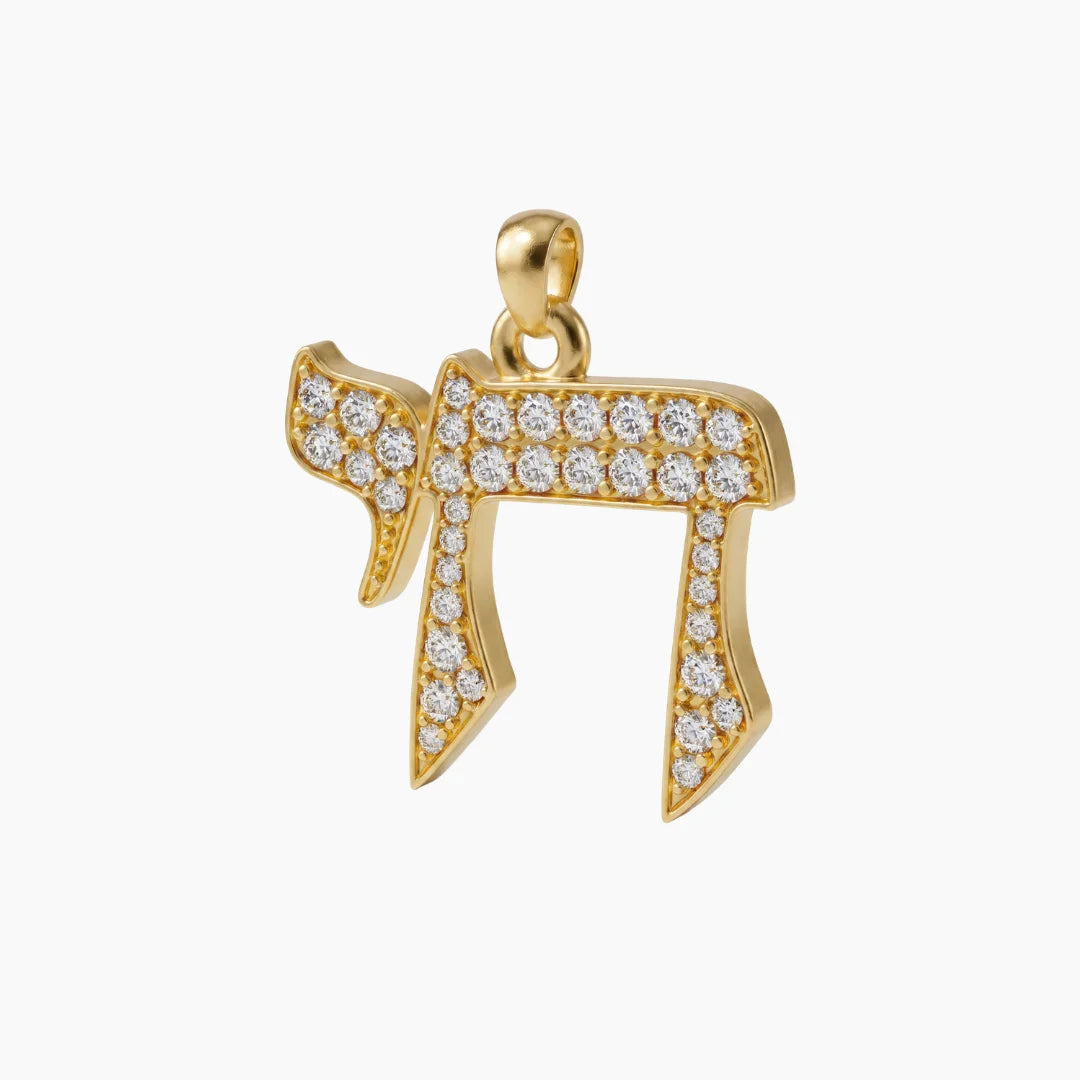
One of the most thrilling updates to Jewish jewelry is how it's now being worn: not just on holidays or festivals, but every day. Increasingly, people are choosing to wear Jewish jewelry as a fixture in daily life. A Chai necklace to work, a Hamsa bracelet while out on a walk, a Star of David pendant under a sweater, these little choices bring faith into daily life, not merely something celebrated. It's about connection, to self, to heritage, and to something more.
Quiet Luxury: Fine Jewelry with Soul
The broader jewelry world calls it "quiet luxury." In Jewish jewelry, that means minimalism with meaning, clean gold, subtle lines, no frill. The beauty of restraint. They are not fashionable items to be discarded next year; they are forever friends, infused with value that won't rot.
The Emotional Side of Jewish Jewelry
Fashions and fads come and go, but the emotional identity with Jewish jewelry endures. Each pendant, charm, or ring is not merely jewelry, it's a symbol of belonging, faith, and memory.
Jewelry as Memory, Belonging, and Pride
Wearing Jewish jewelry is, for some, a way of staying connected, to family, to ancestors, and to something bigger than self. A Star of David necklace worn around one's neck each day can be a symbol of identity strength. A Hamsa passed on from years retains love and protection. A Chai pendant presented to a child reminds them of life's sanctity. Each piece has a story. Some wear their jewelry close to loved ones who have died. Others wear it as a quiet witness to toughness and faith in the face of modern-day challenges. In 2026, Jewish jewelry remains one of the most personal declarations of: this is who I am, and this is what I transmit.
How 2026 Designs Reflect Jewish Resilience
The new Judaica styles are not showy or flashy, they are peaceful, confident, and full of symbolism. That's like the spirit of the Jewish people: modest, positive, and indomitable. From golden symbols of existence to vintage pieces reinterpreted within modern settings, each style is a reflection of a religion that changes without losing its essence.

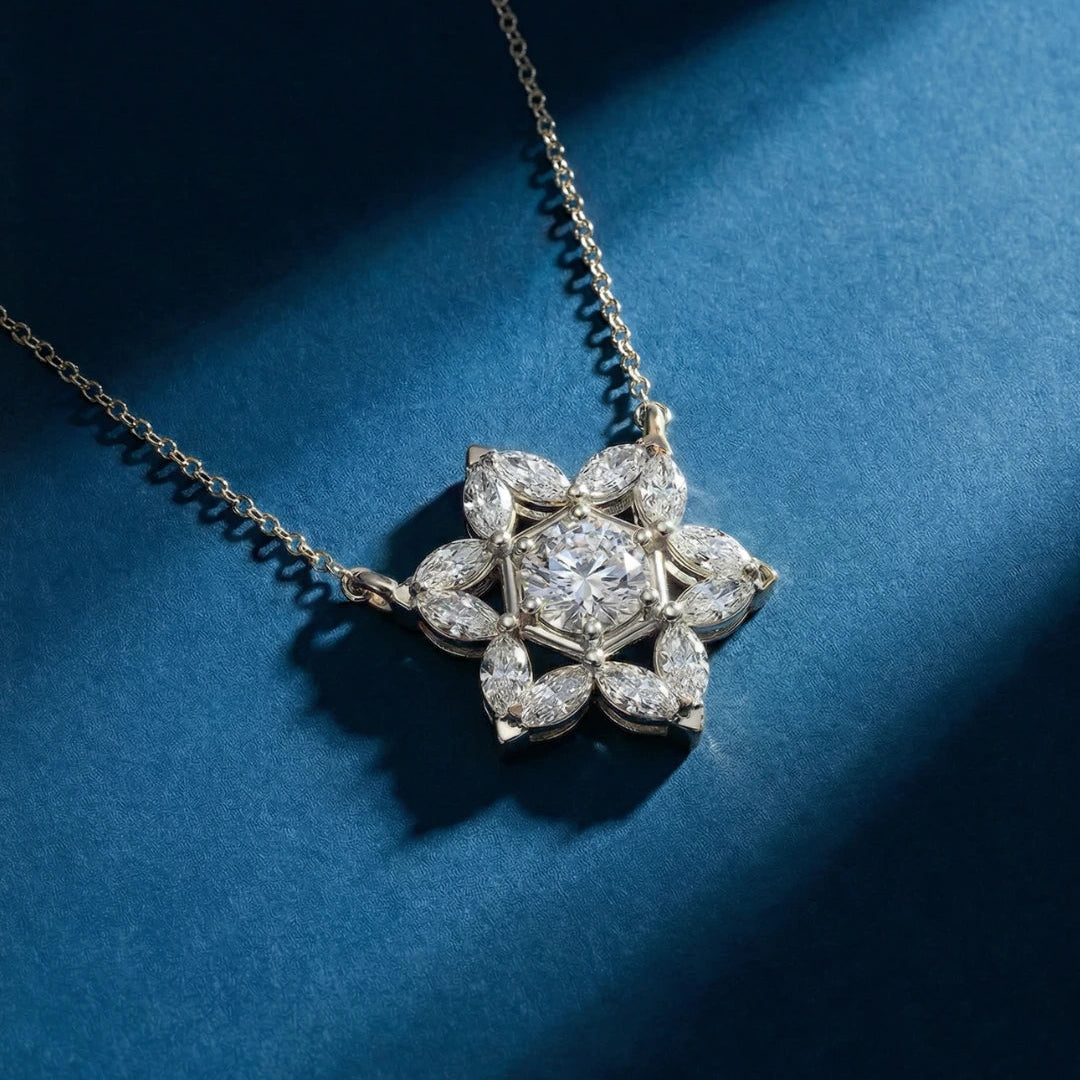


 Change the setting around a meaningful piece rather than saving it for only one kind of day.Styling Judaica Jewelry for Everyday and Special Occasions
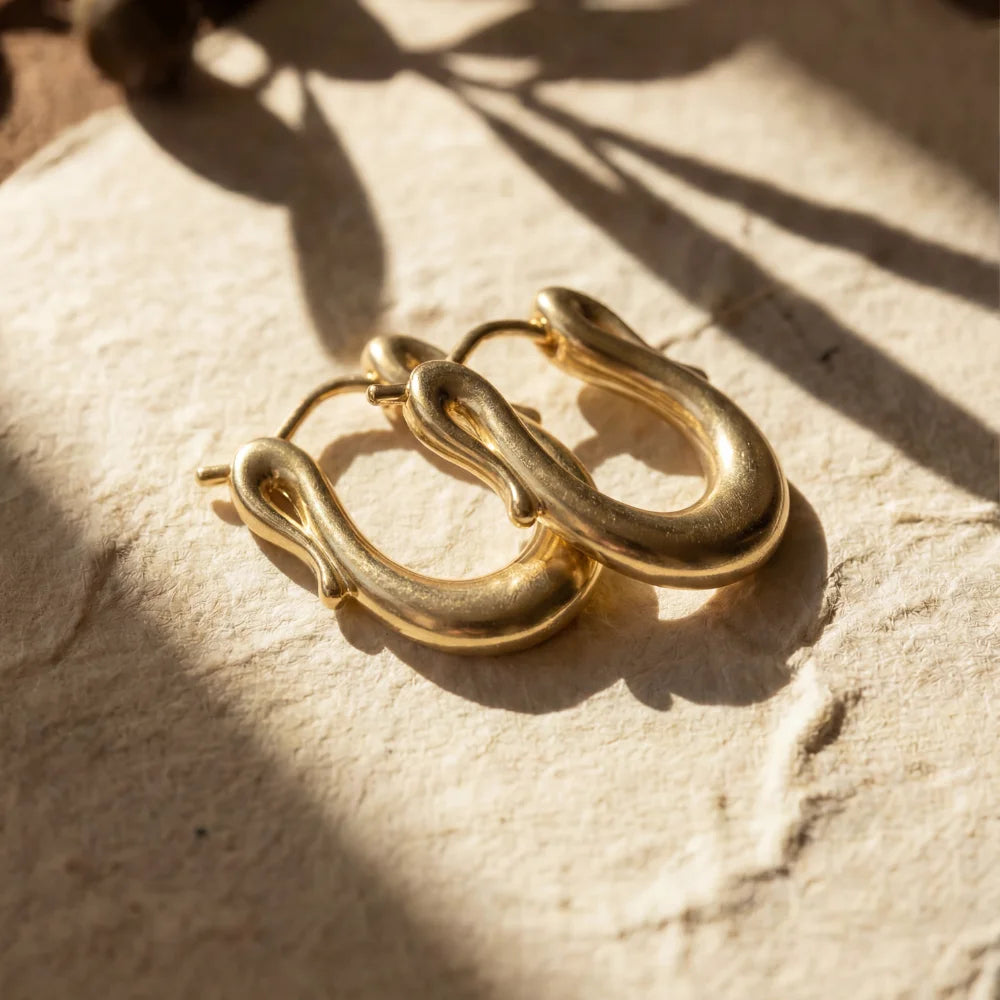
 Create a polished look through proportion, contrast and one meaningful focal piece.Statement Jewish Jewelry Styling
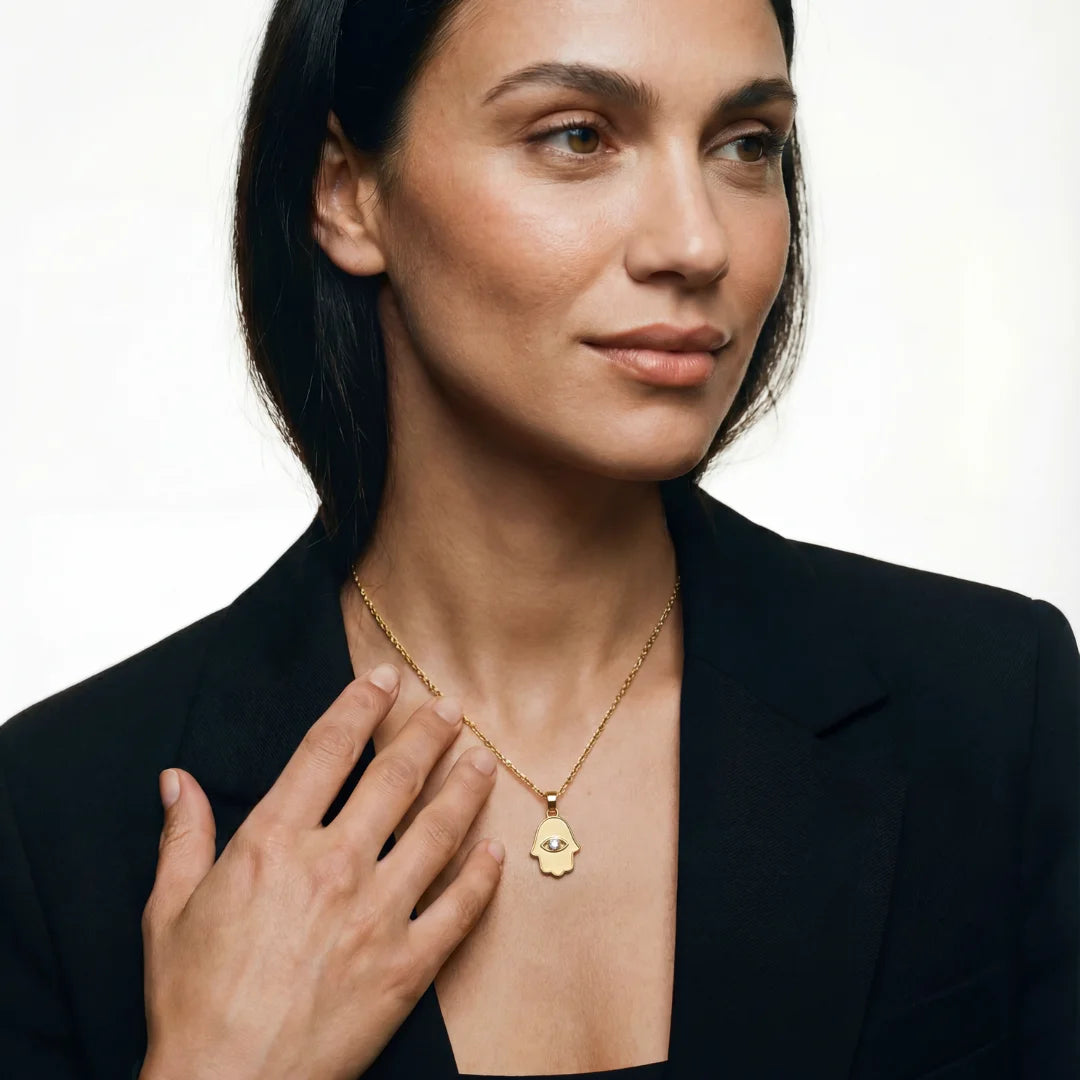
 Create a personal arrangement that respects fit, movement and the settings of each ring.How to Style Jewish Symbol Rings Together
 Men’s JewelryMen’s Jewish Jewelry: Modern Masculine Styles from Israel
 Bridal JudaicaBridal Judaica: Jewish Wedding Jewelry for Bride & Groom
 Necklaces StylingHow to Layer Jewish Symbol Necklaces: A Modern Styling Guide