Layering necklaces isn't just trendy, it's a way of professing who we are. Each chain, charm, and pendant has a small story: a memory, a prayer, or a gentle echo of self. Together layered, they are a personal tapestry, faith, style, and individuality in one. In Jewish jewelry, there is more to that. The Star of David, Chai, Hamsa, and Evil Eye are not only symbols of beauty, but of connection, to tradition, to protection, and to the generations that came before. In this guide, we’ll explore how to layer necklaces beautifully and meaningfully, combining style with heritage, and turning a simple accessory into a reflection of your soul.
Why Layering Necklaces Has Become a Modern Classic
Layered necklaces are now among the most long-lasting of current jewelry trends. It's so popular because it's about individuality, no rules, just expression. From delicate gold chains draped over the collarbone to combinations of texture and pendants that speak for themselves, layering transforms personal jewelry into wearable art. The concept of layering jewelry is not new. Ancient cultures, like those in the Middle East, Egypt, and Rome, adorned themselves with several strands of beads and gold to symbolize wealth, religion, or rank. Symbolic pendants, from inscribed verses to amulets for protection, were similarly worn close to the heart in Judaism. Contemporary layering style leaves off where that same urge ended.
The Revival of Personal, Symbolic Jewelry
In an era where fashion is sometimes fleeting, symbolic jewelry is again in style. People are searching for connection, to meaning, to memory, to identity. Layering Jewish symbol necklaces allows it to happen in a natural, timeless way. It's personal and elegant, modern yet rooted firmly in tradition.
Understanding the Art of Layering
Layering of the necklace can be surprisingly simple, but it requires balance behind the allure, with the artistry of combining different lengths, textures, and significance into a singular overall appearance. Each item you include needs to have its own presence without dominating the others. Start with a meaningful pendant, like a small Star of David, and add thinner, more minimalist chains that flow around and set it off. This keeps the symbolism front and center and layers for depth and dimension. Layering is like creating harmony, one chain creates rhythm, two create melody, three tell a story.
Mixing Chain Styles, Textures, and Lengths
The secret to beautiful layering is contrast. Mix fine chains with chunky ones, smooth finishes with subtle details, and short chokers with longer pendants. Layering with contrast allows each necklace to be the focus without changing the overall look. An example is pairing a small Chai pendant at the collarbone with a mid-chain and a longer pendant, like an Evil Eye or Hamsa, nearer the heart. The layers do shift the gaze downwards effortlessly, creating movement and sophistication.
Choosing the Right Necklaces to Layer
Start with a Statement Piece
Every stacked style starts with a plan, knowing which necklaces to mix and how to enable every one of them to make the others cooperative. Begin with the most meaningful necklace to you, maybe a statement Star of David, an antique Hamsa, or a family-heirloom pendant. This is your anchor piece, the one that sets the tone for all the others.
Add Simpler Chains for Depth
Once you’ve chosen your focal necklace, add one or two simpler chains around it. These can be plain gold links, fine snake chains, or subtle rope chains. They add texture and structure while allowing the main symbol to remain the centerpiece.
Balancing Religious Symbols with Minimal Design
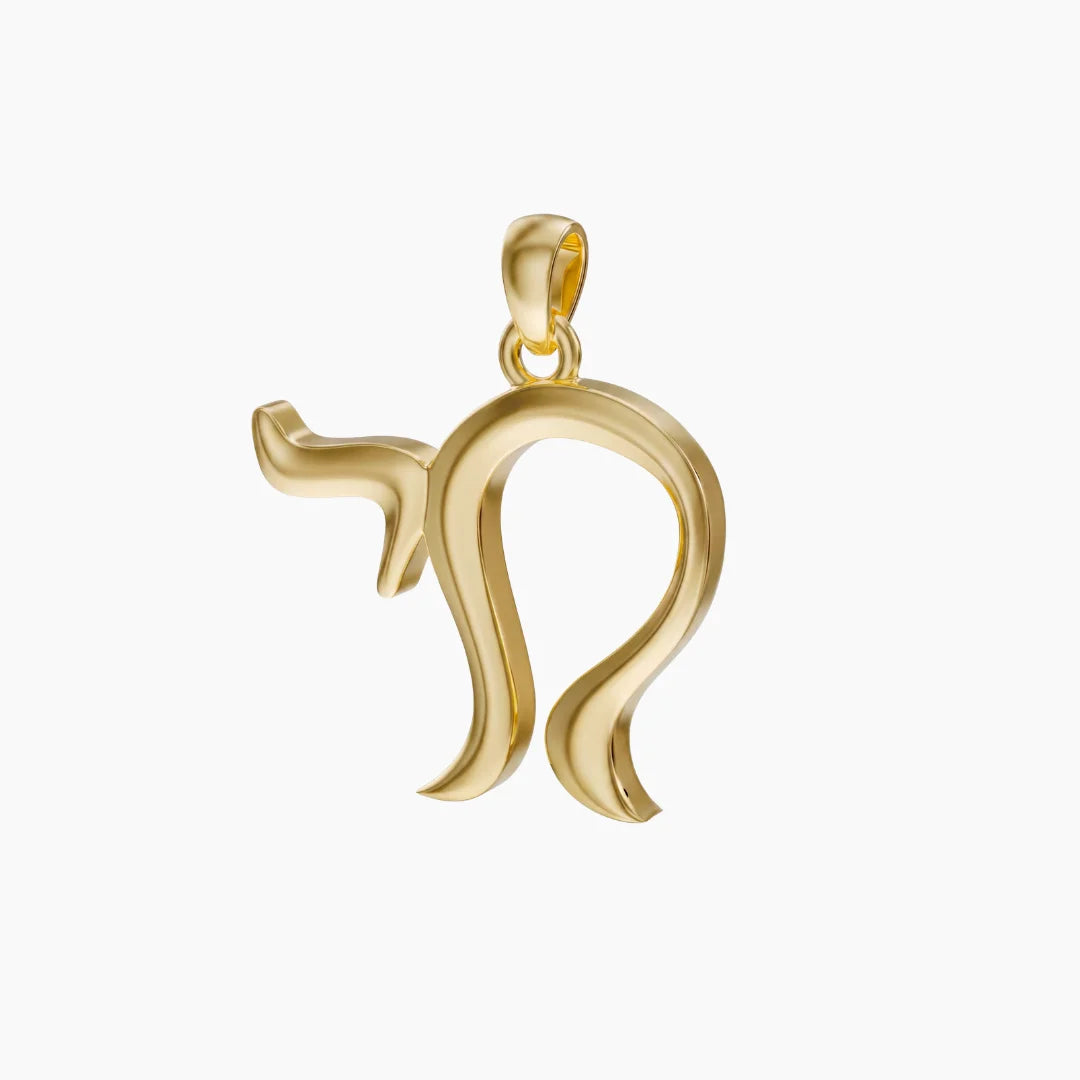
When mixing up over one Jewish symbol, less is more. Choose mixtures that feel meaningful but in harmony, such as a Star of David and a Chai would look beautiful together because they both symbolize life and faith. Put them with bare chains so not to have too much going on so each symbol can speak for itself.
How to Layer Necklaces Without Tangling
One of the biggest challenges to layering necklaces is keeping them from becoming tangled. Even the prettiest stack can be destroyed if the chains become knotted together. Luckily, some simple tips can be a game changer.
The Importance of Different Lengths
The trick to the perfect layer is spacing. The more towards each other your necklaces are, the more they will overlap and get tangled. Choose chains that are at least two inches apart, like one that's 14", one that's 16", and the last one that's 18–20". This gives each layer room and lets each pendant come to rest.
Using Chain Separators or Layering Clasps
Clasps that layer are one of the best methods of keeping necklaces organized. They pin a few chains together at the back so they do not turn and slip away. Jewelers now offer most of them in gold or silver so they blend right in among your pieces of jewelry. If you don't have a clasp, layer chains with slightly different weights, heaviest pendant at the bottom and lighter ones on top. The difference in movement keeps them from getting tangled so easily.
Daily Habits That Prevent Tangles
Small habits go a long way:
- Put on necklaces one at a time, shortest to longest.
- Don't sleep, shower, or work out in stacked pieces.
- Once you remove them, place each chain flat or hung to avoid knots.
Treat your necklaces with care and space, and they will remain beautifully layered all day.
Layering by Material and Color
One of the best things about layering is that it allows you to get creative. Combining materials and tones adds more depth and character to your stack, and there's no requirement that you can't mix metals or finishes.
How to Layer Gold and Silver Together
Gold and silver actually can go hand-in-hand when you do it intentionally. Start by choosing a statement metal, gold for example, and incorporating the silver as accent. Using a gold Star of David and a dainty silver chain is subtle contrast and dimension. If you desire something more cohesive-looking, use all your chains in one color family (yellow, white, or rose gold), but play with different textures to distinguish between each piece.
Mixing Polished and Matte Finishes
A combination of equal textures creates interest without overpowering the look. Combine a high-polish gleaming gold chain with a matte-finish pendant, or combine a smooth box chain with a delicate rope chain. The minor variations in surface reflect light differently, producing a deep, lively look for the stacked collection.
Choosing Chains That Complement Each Other
Mind weight and balance. Fine chains match well with fine pendants, while chunky links suit lower on the neckline. Too many thick chains together can look bulky, so use variety, one dramatic, one mid-weight, one light. All together, they create rhythm and harmony.
Styling Jewish Symbol Necklaces
Overlapping Jewish symbols adds a religious and personal touch to your style. These symbols carry centuries of significance, and overlapping them is a subtle declaration of faith, protection, and identity.
Pairing the Star of David with Other Symbols
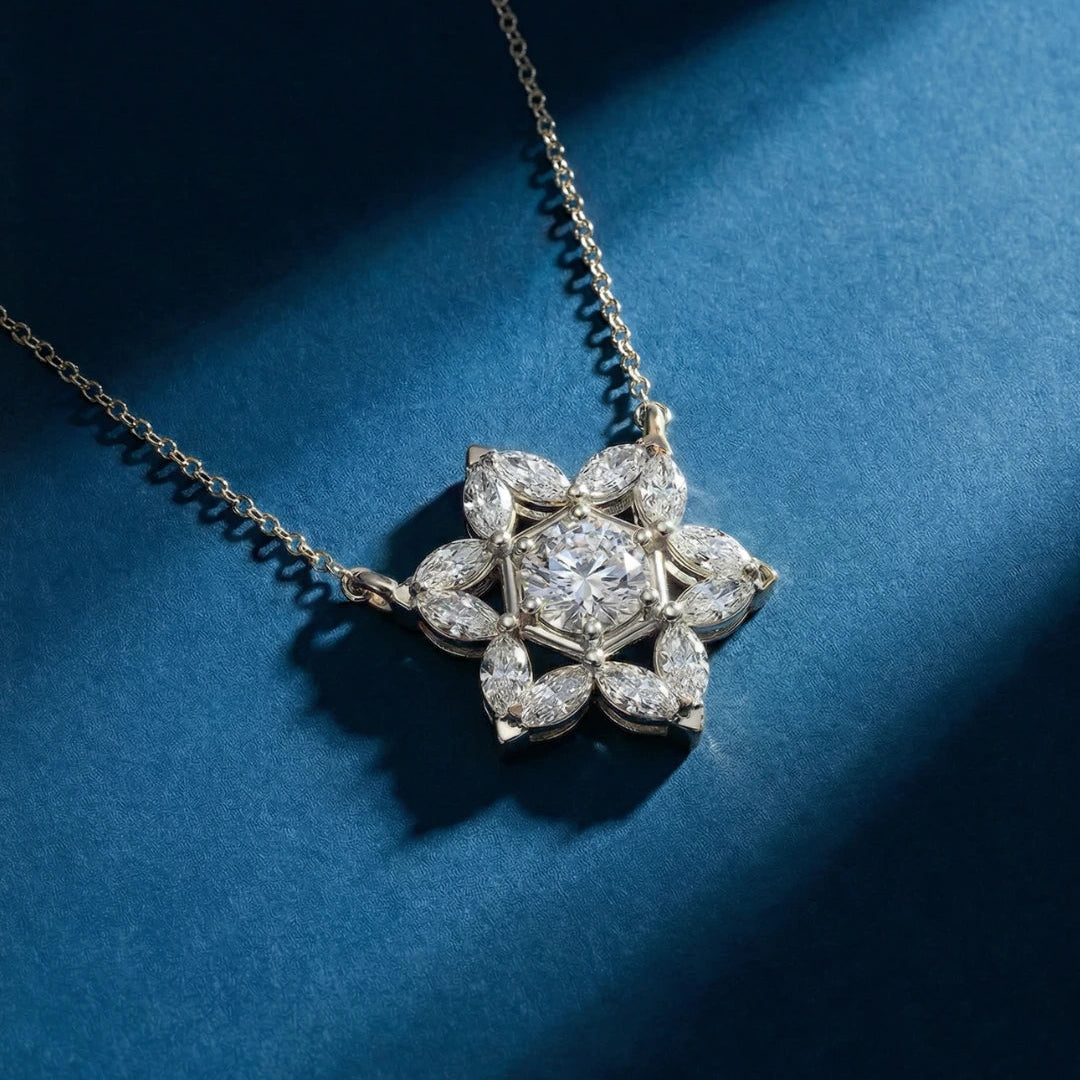
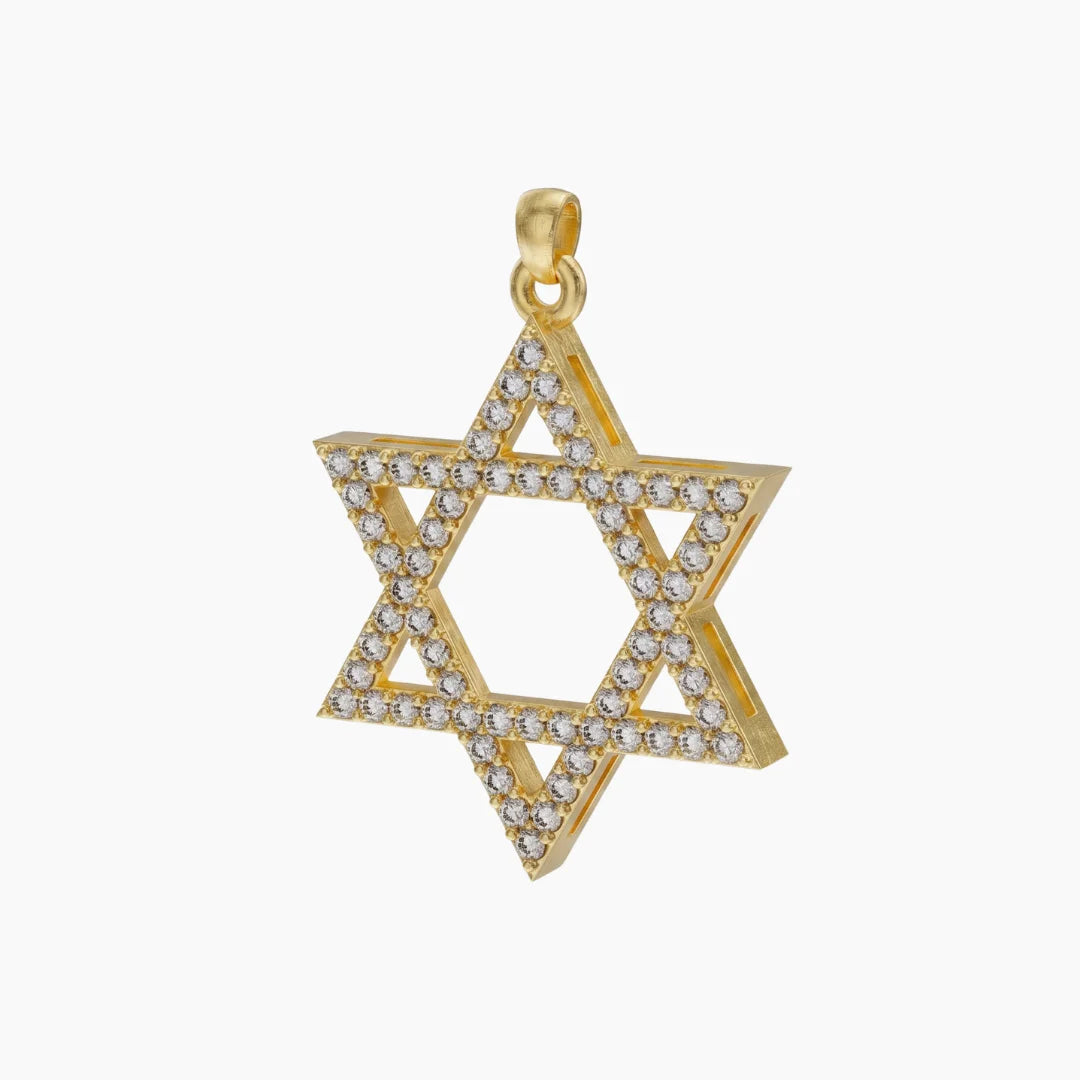
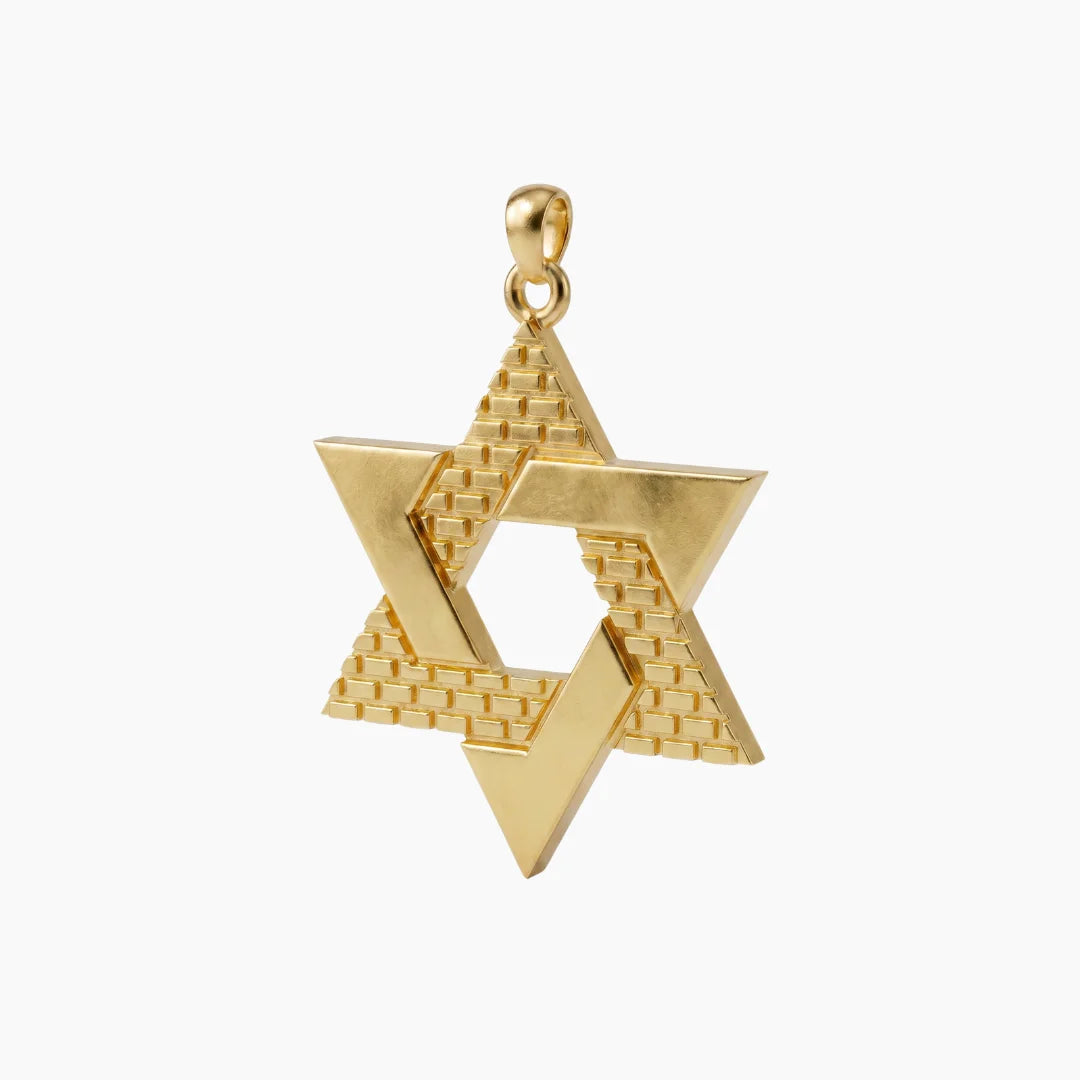
The Star of David is a perfect central focus for stacked jewelry. It can be flanked by a series of smaller pendants, like a Chai or plain gold bar, in the center and a longer pendant, like a Hamsa or Evil Eye, below. The two achieve harmony and significance: belief, existence, and protection, piled near the heart.
Layering the Chai, Hamsa, and Evil Eye
These symbols look good together when placed with purpose. The Chai, "life," can be worn against the collarbone as a marker of vitality and purpose. The Hamsa, representing divine protection, can be worn under it. The Evil Eye, for protection from negative energy, completes a powerful finishing touch. Each is lovely on its own. Combined, they are potent.
Combining Faith and Fashion Naturally
Layering spiritual jewelry need not be at the expense of style. You can mix religious symbols with small gold chains or geometric drops to infuse your appearance with a modern look without sacrificing authenticity. The game is not perfection but rather achieving balance between beauty and meaning where every piece comes together with the next.



 Change the setting around a meaningful piece rather than saving it for only one kind of day.Styling Judaica Jewelry for Everyday and Special Occasions
 Create a polished look through proportion, contrast and one meaningful focal piece.Statement Jewish Jewelry Styling
 Create a personal arrangement that respects fit, movement and the settings of each ring.How to Style Jewish Symbol Rings Together
 Men’s JewelryMen’s Jewish Jewelry: Modern Masculine Styles from Israel
 Styling & TrendsJewish Jewelry Trends 2026: What’s Popular in Modern Judaica
 Bridal JudaicaBridal Judaica: Jewish Wedding Jewelry for Bride & Groom