Breaking Free from Outdated Fashion Rules
For decades, women agonized over a single fashion commandment: gold or silver - never both. Beautiful pieces sat unworn in jewelry boxes, exiled simply because they didn't "match" the day's chosen metal. Watches, rings, necklaces, and bracelets all had to align in perfect metallic harmony, or risk being labeled a fashion disaster.
That rigid rule? It's ancient history.
Today's jewelry landscape celebrates freedom, individuality, and the artful rebellion against outdated dictates. Mixing gold and silver isn't just acceptable - it's one of the most sophisticated trends in contemporary styling. Fashion runways, celebrity red carpets, and street style stars have embraced the beautiful contrast that comes from combining warm and cool metals, proving that the supposed "clash" was never based on aesthetic truth, but simply convention.
This shift represents something bigger than jewelry. It's about rejecting rules that once confined personal expression and embracing a more authentic, creative approach to style. Why limit yourself to half your collection when you can unlock endless combinations that reflect who you truly are?
In this guide, you'll discover exactly how to master the art of metal mixing with confidence - from understanding which combinations create the most impact to avoiding common pitfalls. It's time to liberate your jewelry box and rewrite the rules on your own terms.
Why Fashion's Old Metal Rule No Longer Applies
The "never mix metals" commandment traces back to the early-to-mid 20th century, when fashion conventions were far more prescriptive. Women owned matching sets - a gold necklace with gold earrings and bracelet, or an entire silver ensemble. This uniformity reflected social class distinctions: gold signaled wealth and formality, while silver represented understated elegance. Mixing them supposedly created confusion about one's social standing.
The jewelry industry perpetuated this thinking through marketing. Retailers sold complete matching sets, and advertising reinforced that coordination meant uniformity. Watch bands matched wedding rings, which matched bracelets - everything in its designated lane.
But contemporary fashion has evolved from prescriptive uniformity to creative self-expression. Designers now intentionally incorporate both metals within single pieces - two-tone watches, mixed-metal rings, layered necklaces blending warm and cool tones. If the industry itself embraces this combination, why should we restrict ourselves?
The rule wasn't protecting us from anything except our own creativity.
The Case for Embracing Mixed Metals
Runway and Celebrity Validation
From New York to Paris, fashion weeks showcase models adorned with gold chains layered over silver necklaces, warm-toned rings stacked alongside cool bands, and mixed-metal watches paired with contrasting bracelets. A-listers appear on red carpets in these combinations, while social media feeds overflow with curated collections that intentionally blend both metals.
Luxury houses have responded enthusiastically. Cartier, Tiffany & Co., and David Yurman now produce signature pieces combining gold and silver in single designs. These collections have become bestsellers, proving consumer appetite for versatility.
Practical Benefits That Matter
Beyond aesthetics, mixing metals offers genuine convenience. Your jewelry works seamlessly with any outfit, regardless of belt buckles, bag hardware, or shoe accents. Getting dressed becomes faster and less stressful when you can select pieces based on meaning and mood rather than rigid coordination requirements.
This approach dramatically expands your styling options without requiring duplicate pieces in each metal. It's smart wardrobe strategy disguised as fashion rebellion.
Creating Visual Complexity
The true magic lies in how mixed metals catch light. Gold's warm undertones and silver's cool brightness create dynamic contrast that shifts throughout the day. This interplay adds depth and dimension that single-metal looks simply cannot achieve. Your eye naturally travels across the varying tones, making your collection appear more curated and intentional - the hallmark of truly modern style.
Essential Principles for Polished Metal Mixing
While the old rules have relaxed, creating intentional looks requires understanding core principles. The difference between curated and chaotic lies in thoughtful application.
Balance Through Visual Weight
Successful mixing isn't about equal amounts of each metal - asymmetry often looks more sophisticated. Consider visual weight instead. A chunky gold chain might balance several delicate silver rings and a silver watch. Conversely, a bold silver cuff could anchor multiple thin gold bangles.
Distribute mixed metals across different zones - neck, wrists, fingers, and ears. Clustering all your gold on one hand and silver on the other appears disjointed. Think of your jewelry as creating visual conversation across your entire outfit.
Signaling Intentionality
The distinction between chic and haphazard is intentionality. Make your mixing look deliberate by repeating metals strategically. If you wear a silver necklace, echo that silver in your rings or watch. Start with gold earrings, then incorporate gold elsewhere in smaller doses.
Another signal: consistent design language. Mixing a chunky gold chain with a delicate Victorian silver locket sends mixed messages. Pairing modern, minimalist pieces in both metals creates clear cohesion. Match the aesthetic mood across metals - bohemian with bohemian, sleek with sleek, vintage with vintage.
Smart Layering Strategies
When stacking necklaces, alternate metals by length - perhaps a short gold choker, medium-length silver pendant, and longer gold chain. For bracelets, try the "sandwich method": place a statement piece in one metal at center, flanked by thinner pieces in the opposite metal on either side.
Ring stacking offers particular freedom. The proximity on one hand means mixing reads as clearly intentional, giving you more creative license. Try two gold rings for every silver one, or create patterns across your fingers.
The Bridge: Two-Tone Pieces
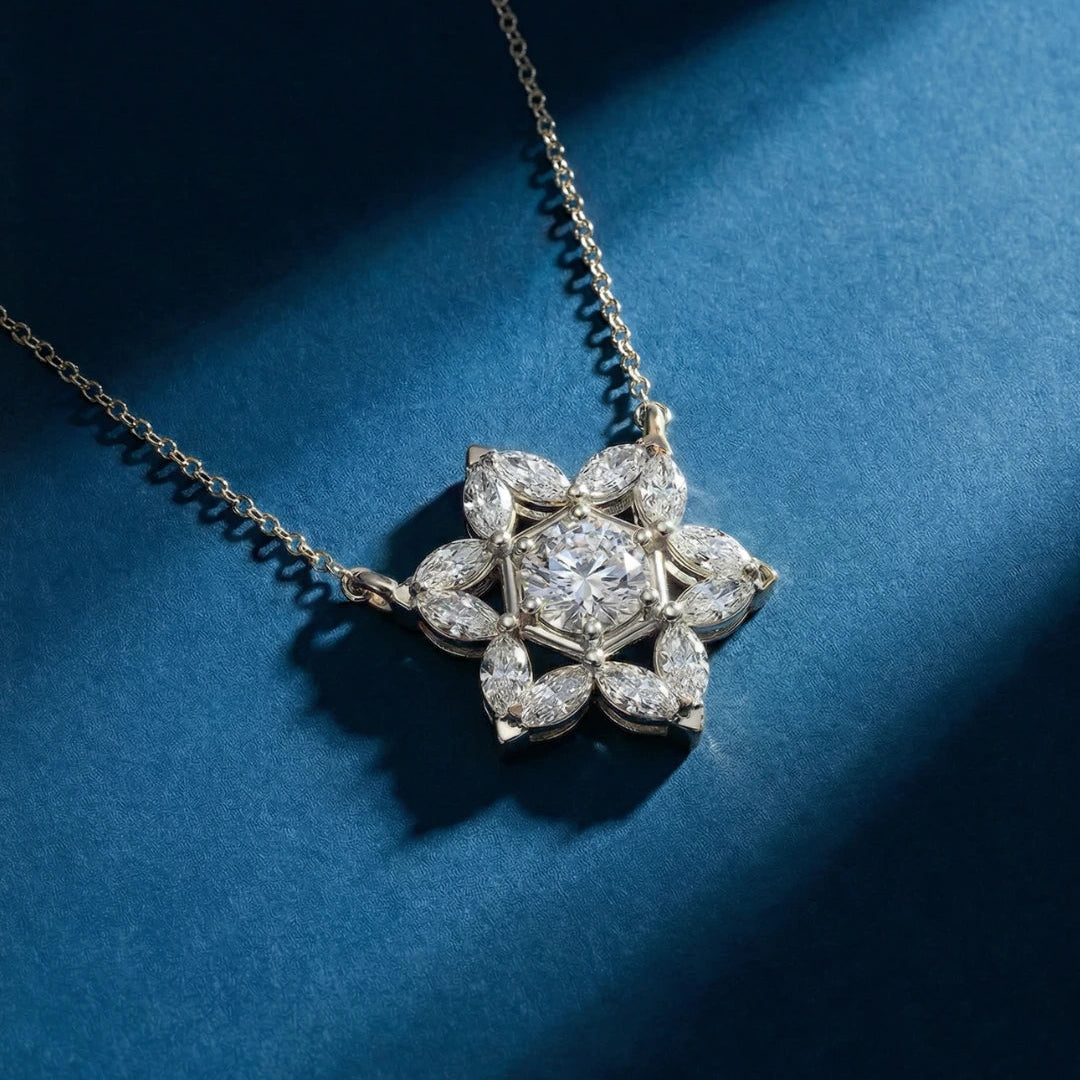
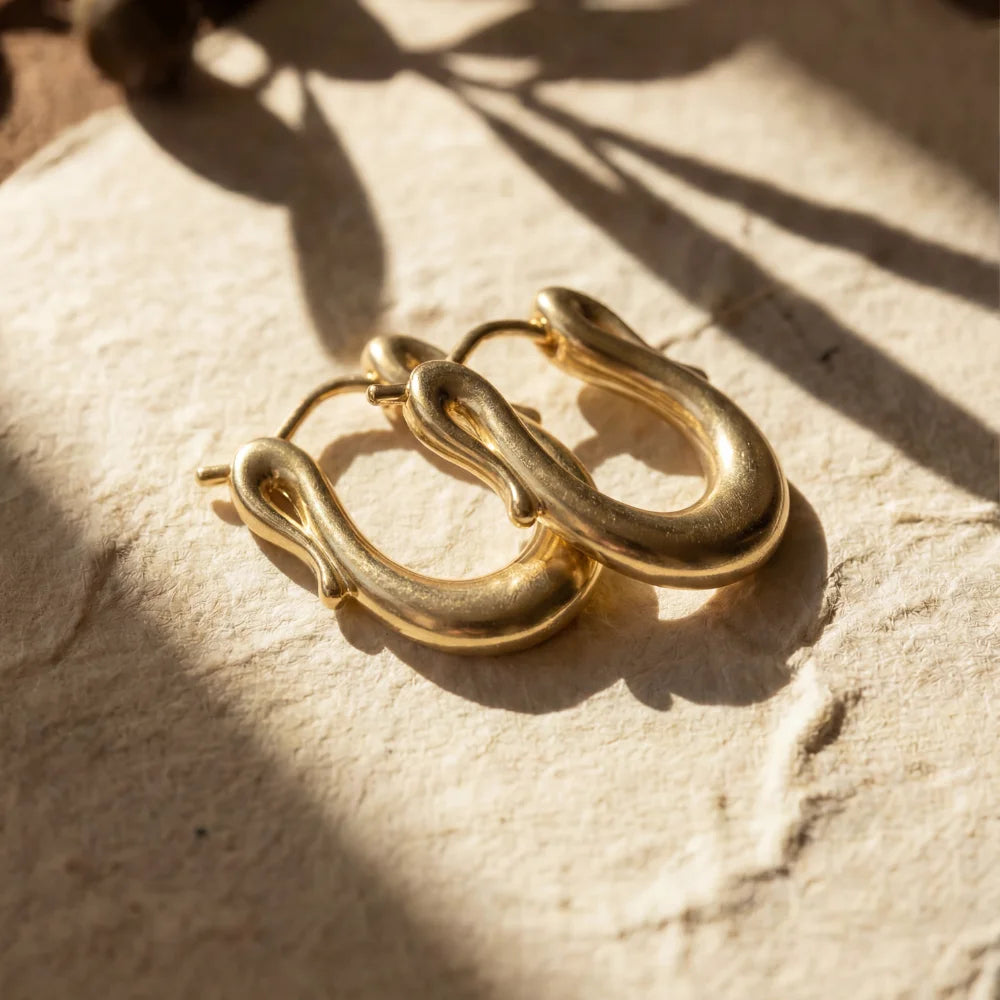
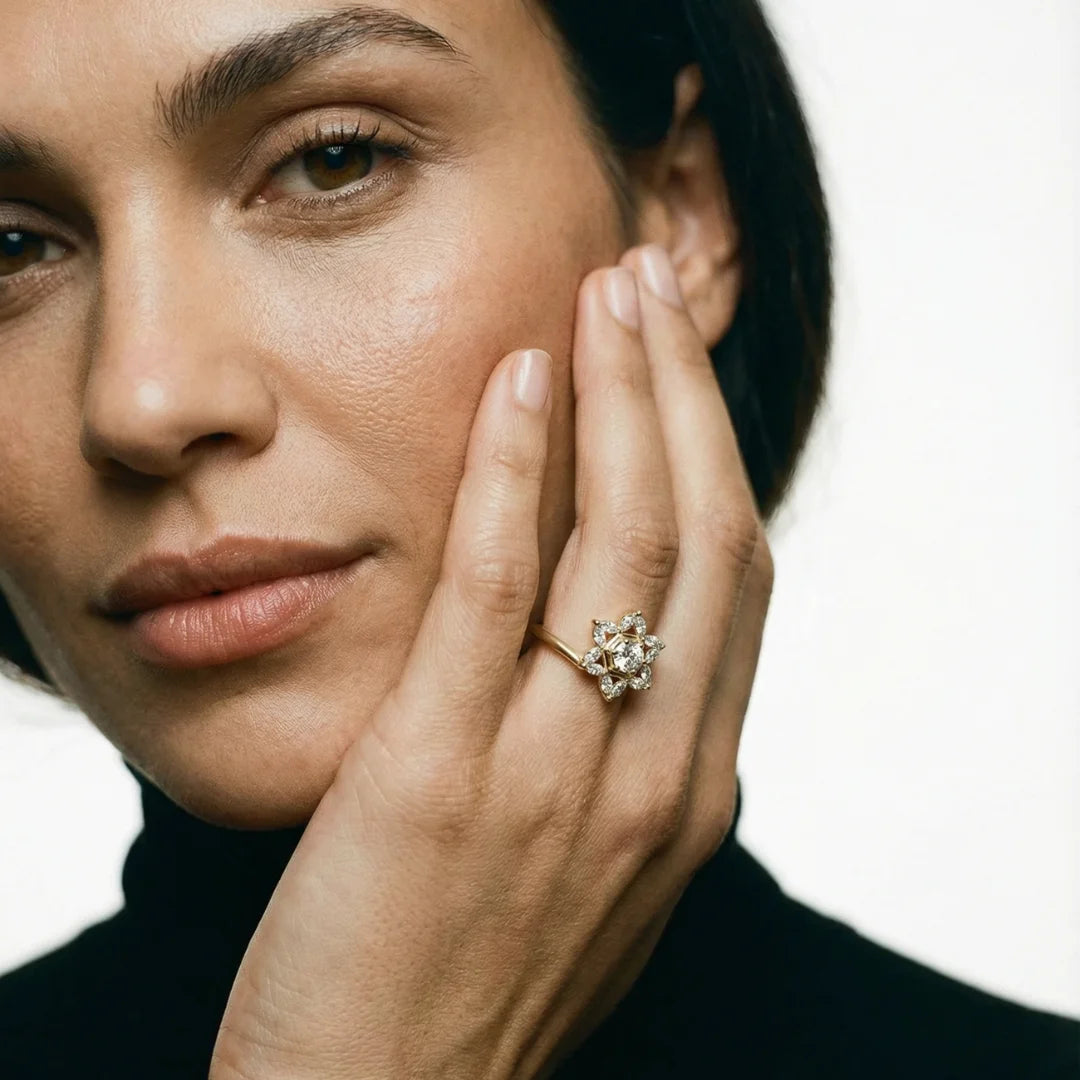
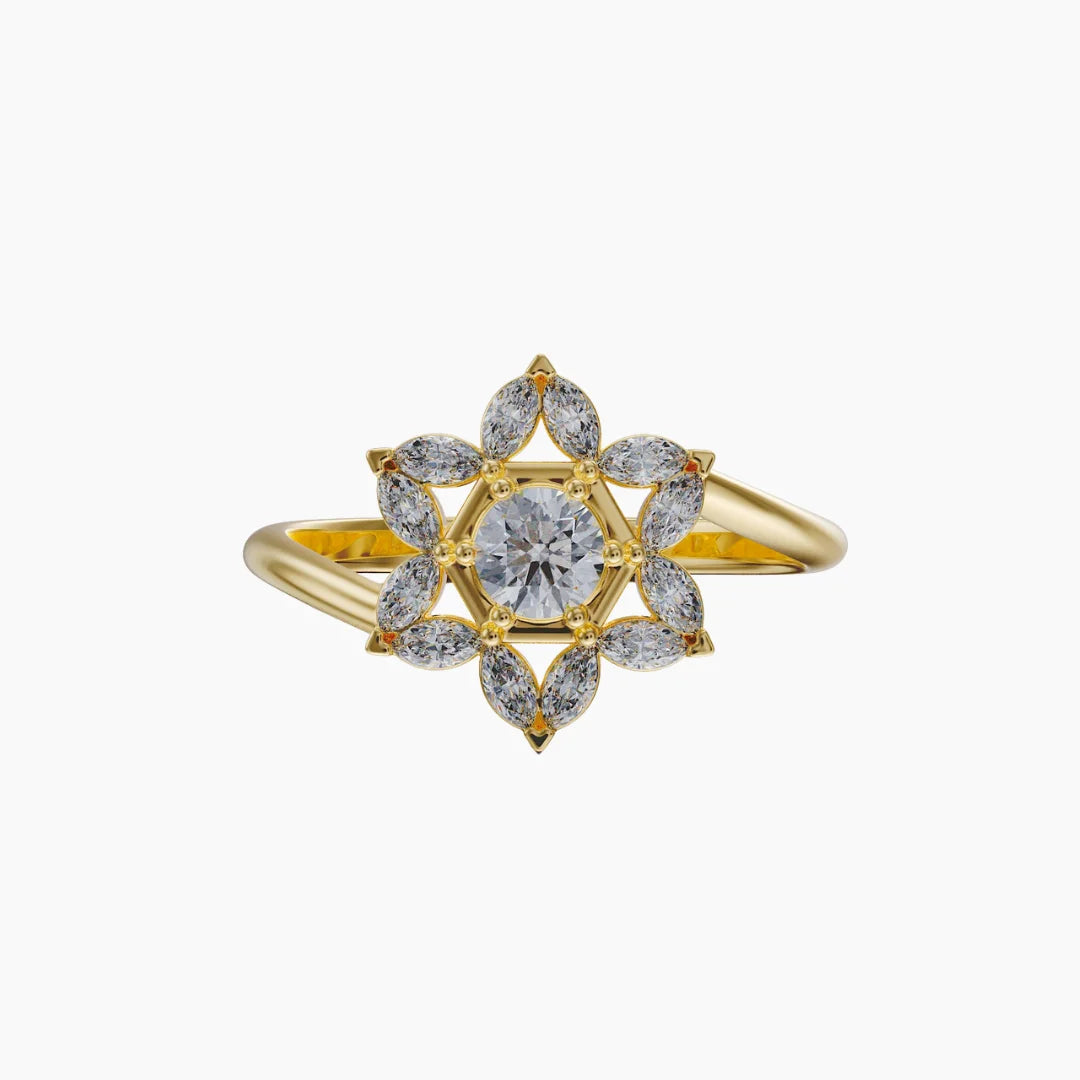
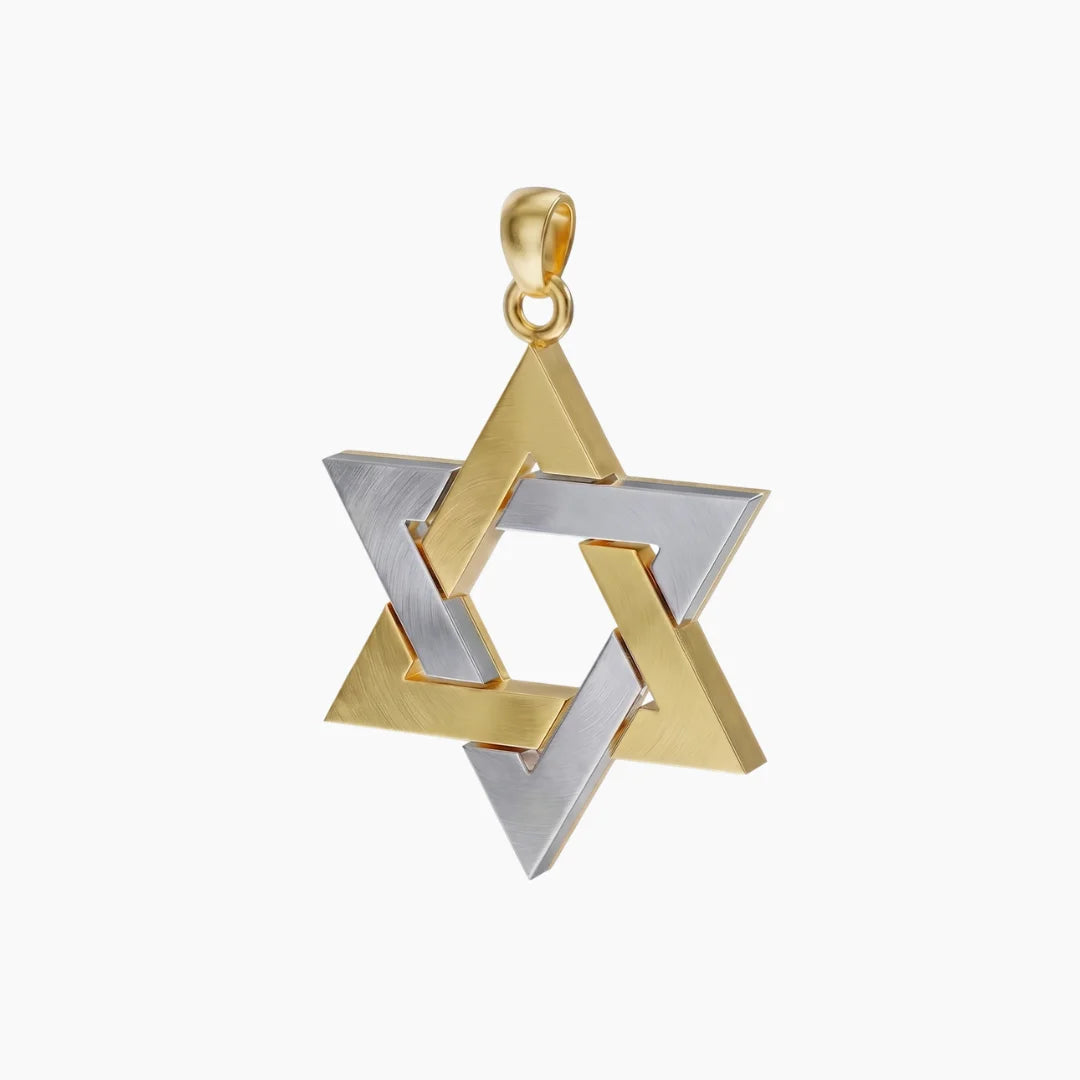
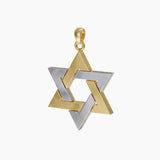
Two-tone jewelry serves as the perfect translator between metals. A watch with a mixed-metal bracelet, a ring featuring both tones, or a necklace with combined chain links gives explicit permission to wear both. Start with one bridging piece, then build your collection around it with confidence.






 Mother Of PearlWhat Is Mother of Pearl? Color, Iridescence and Jewelry Design
 Our Craftsmanship Handmade Judaica Jewelry and What to Look For
 Tyferet SymbolThe Tyferet Symbol: A Modern Interpretation of the Star of David
 Jewish JewelryThe Timeless Elegance of Ashkenazi Jewelry: History, Symbolism, and Collecting Guide
 Jerusalem RingJerusalem Ring: The Eternal City Engraved in Gold and Silver
 Jewish RingThe Hidden Meanings Behind Jewish Ring Inscriptions
 Ani Ledodi JewelryAni Ledodi Jewelry: The Song of Songs Wedding Phrase in Gold & Silver
 Menorah JewelryMenorah Jewelry: The 7 Branches of Light & Wisdom in Jewish Tradition