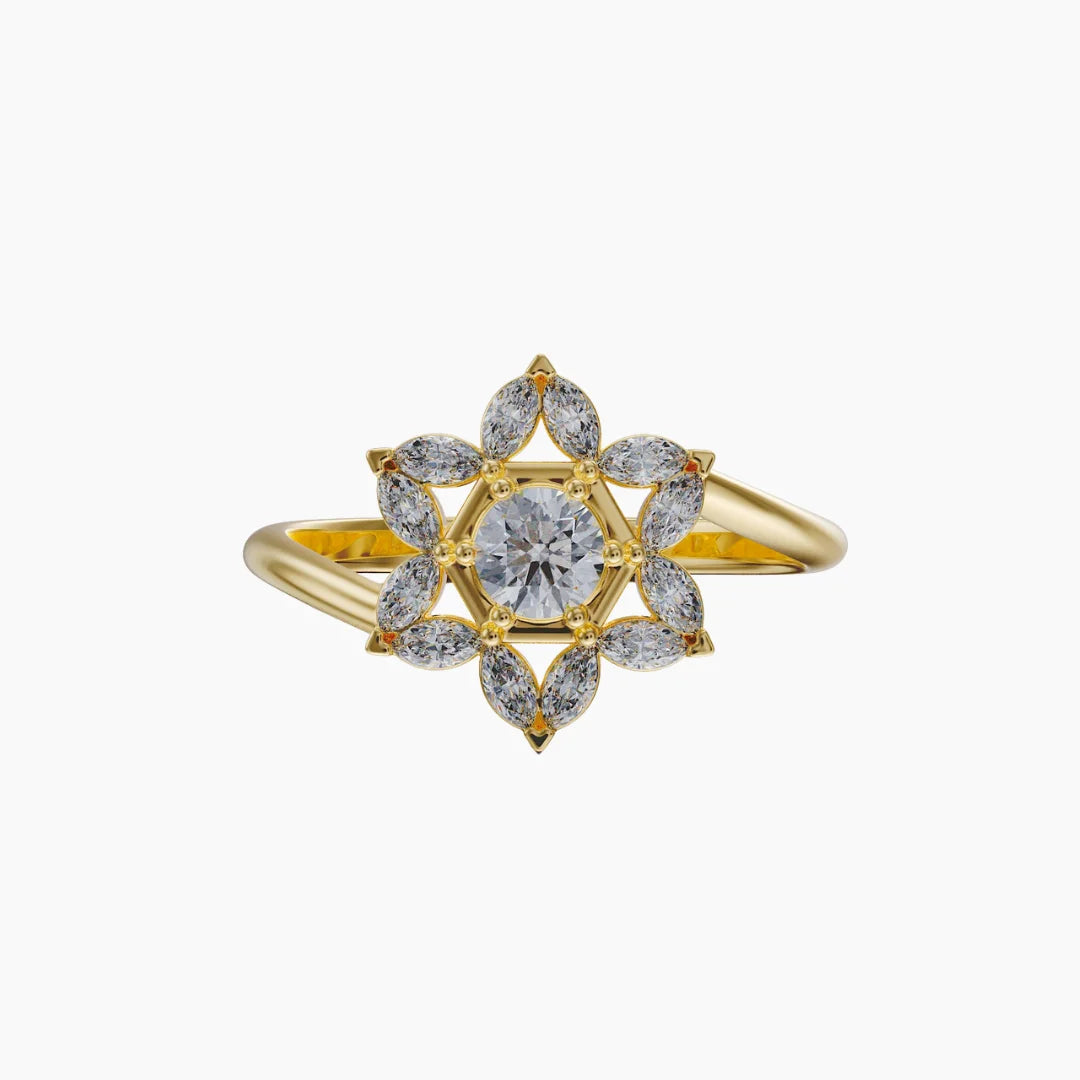
The practical answer is to take it off
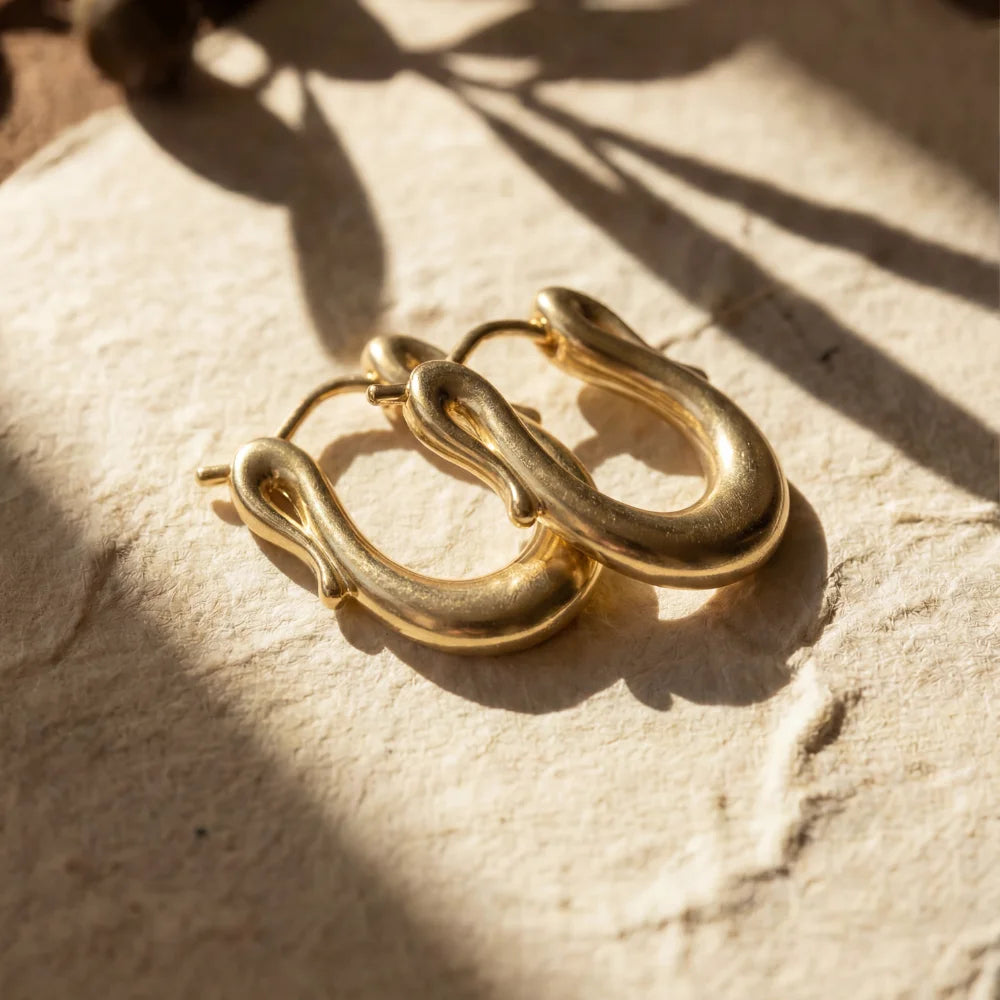
Take off your gold jewelry before showering. Solid gold does not have the same construction as gold-plated jewelry, but that does not make every gold piece suitable for water, soap and repeated handling in a slippery environment. The stone, clasp, chain, surface finish and any attached material all matter.
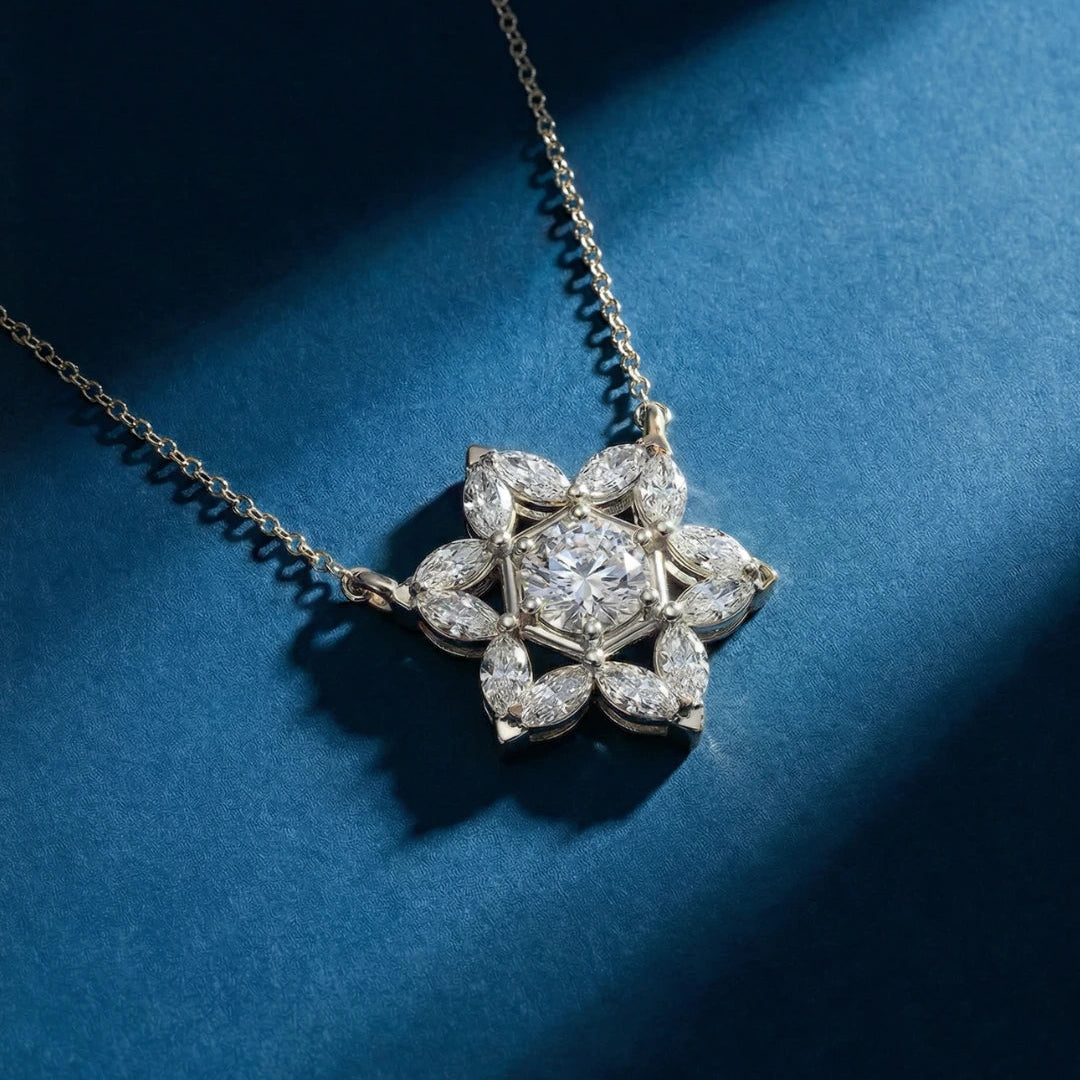
For Tyferet pieces, this habit is especially important when a design contains Eilat stone or Roman glass. A gold frame cannot make a water-sensitive material waterproof. A simple removal routine also reduces the chance of losing a pendant or earring down a drain.
What a shower exposes jewelry to
A shower involves more than clean water. Shampoo, conditioner and body products can leave residue in detailed metalwork and around stones. Towels can catch raised settings, and slippery hands make small clasps harder to handle. You do not need to assume one accidental splash will ruin plain gold to recognize that wearing it in the shower adds avoidable risks.
Rings require a practical plan for handwashing too. Remove them somewhere secure before wet or messy tasks, rather than placing them on the rim of a sink. Keep a designated compartment nearby, away from drains and out of children's reach.
The most sensitive material sets the rule
Plain solid gold in sound condition may tolerate a suitable cleaning method, but intentional cleaning is controlled and followed by complete drying. It is different from wearing jewelry through every shower. Gemstones may have treatments, and a piece can contain several materials with different care requirements.
Keep Roman glass dry. Do not rinse or rub its ancient surface. For Eilat stone, use conservative dry care and follow the instructions for your individual piece. Treat unknown materials and older repairs cautiously until you know more.