



Jewish Jewelry
The Timeless Elegance of Ashkenazi Jewelry: History, Symbolism, and Collecting Guide
In this article 8 chapters
For centuries, Ashkenazi jewelry has captivated collectors and historians with its intricate craftsmanship, symbolic depth, and enduring beauty. Originating from Jewish communities across Central and Eastern Europe - spanning Germany, Poland, Hungary, and Russia-these remarkable pieces represent far more than mere adornment. They are wearable chronicles of cultural identity, religious devotion, and artistic excellence that have survived centuries of upheaval.
From elaborately filigreed Torah crowns to delicate marriage belts and iconic Hamsa pendants, Ashkenazi jewelry encompasses diverse ceremonial and personal ornaments. Traditional techniques such as repoussé, granulation, and enameling showcase the exceptional skill of artisans who passed down their craft through generations. Today, museums, auction houses, and private collectors recognize these pieces not only for their historical significance but also for their aesthetic sophistication, while contemporary designers continue drawing inspiration from traditional motifs, blending heritage with modern sensibilities.
The Historical Roots of Ashkenazi Jewelry Traditions
The jewelry traditions of Ashkenazi Jews trace their origins to medieval communities that flourished along the Rhine River in what is now Germany. The term "Ashkenaz" itself originally referred to this region, where Jewish artisans developed distinctive metalworking techniques that would become hallmarks of their craft. These early jewelers worked primarily in silver, creating pieces that balanced religious significance with practical wearability.
As persecution intensified in Western Europe during the 14th and 15th centuries, massive waves of Jewish migration moved eastward into Poland, Lithuania, and the broader territories of the Polish-Lithuanian Commonwealth. This diaspora brought jewelry-making traditions into new cultural contexts, where they absorbed influences from local Slavic, Ottoman, and Baltic artistic styles. The resulting synthesis created a unique aesthetic that distinguished Ashkenazi jewelry from both Sephardic and Mizrahi traditions.
The relative stability of Polish-Lithuanian Jewish communities from the 16th to 18th centuries allowed jewelry-making to flourish as both an art form and economic necessity. Jewish guilds in cities like Kraków, Lviv, and Vilnius produced elaborate pieces for weddings, holidays, and lifecycle events. Jewelry served multiple purposes: portable wealth in uncertain times, a marker of social status, and a tangible connection to religious identity. Many pieces incorporated Hebrew inscriptions, Jewish symbols like the Star of David and menorah, and protective amulets based on Kabbalistic traditions.
The partitions of Poland in the late 18th century and subsequent restrictions under Russian, Prussian, and Austrian rule profoundly impacted Jewish artisans. Legal limitations often confined Jews to specific trades and geographic areas, yet jewelry-making persisted as a valued skill. The 19th century brought both challenges and innovations: industrialization introduced new manufacturing techniques, while the Haskalah (Jewish Enlightenment) movement influenced design aesthetics, sometimes encouraging more assimilated styles.
Throughout these centuries of upheaval, Ashkenazi jewelry retained core characteristics-intricate filigree work, granulation techniques, and the use of semi-precious stones like garnets and coral. These traditions were passed through apprenticeships within families and communities, creating regional variations that reflected local resources and cultural exchanges. By the late 19th century, these time-honored practices represented a living link to centuries of Jewish heritage in Eastern Europe.
Distinctive Characteristics: What Makes Ashkenazi Jewelry Unique
Ashkenazi jewelry developed its own distinctive aesthetic that reflects the cultural milieu of Central and Eastern European Jewish communities, setting it apart from Sephardic and Mizrahi traditions. These differences emerged from geographic isolation, regional artistic influences, and varying interpretations of religious law regarding adornment.
Design Elements and Aesthetic Features
Ashkenazi jewelry is characterized by its restrained elegance and symbolic density. Unlike the more ornate and colorful Sephardic pieces influenced by Islamic and Mediterranean aesthetics, Ashkenazi designs tend toward geometric precision and symmetry. The jewelry often features intricate filigree work, delicate cutouts, and architectural elements that echo the Gothic and Renaissance styles of their European surroundings.
Silver dominated production, partly due to economic constraints and partly because gold was often associated with luxury that communities discouraged. The preference for silver also carried religious significance, representing purity and creating natural connections to ritual objects. The silverwork displays exceptional craftsmanship through techniques such as repoussé, engraving, and granulation, creating pieces that achieve visual richness through texture and form rather than precious gemstones alone.
Symbolic Motifs
Ashkenazi pieces frequently incorporate specific symbolic elements drawn from Jewish religious texts and folk traditions. The hamsa (protective hand), while present, appears less frequently than in Sephardic jewelry. Instead, Ashkenazi artisans favored Hebrew inscriptions, often biblical verses or blessings written in distinctive Ashkenazi script styles. Common motifs include:
- The Tablets of the Law representing the Ten Commandments
- Lions symbolizing the tribe of Judah and Jewish strength
- Crowns referencing the "crown of Torah"
- Stars of David in more rigid, geometric interpretations
- Pomegranates and grape clusters representing fertility and the Land of Israel
Regional Variations
Within Ashkenazi traditions, distinct regional styles emerged. Polish and Russian pieces often featured darker oxidized silver and heavier construction, while German and Hungarian jewelry displayed more delicate workmanship and incorporation of small seed pearls. Baltic communities developed unique amulet cases with architectural facades, while Galician pieces showed influence from local peasant jewelry traditions.
Functional Distinctions
Ashkenazi jewelry emphasized functionality alongside beauty. Torah pointers (yads), spice boxes for Havdalah ceremonies, and ornate marriage contract holders demonstrate how ceremonial objects became wearable or displayable art. Wedding jewelry, particularly the traditional Sterntichl (shterntichl) headpiece worn by married women, represented a uniquely Ashkenazi tradition absent in Sephardic communities.
The contrast with Sephardic traditions is striking: where Sephardic jewelry embraced vibrant enamelwork, coral, turquoise, and gold filigree reflecting North African and Middle Eastern influences, Ashkenazi pieces maintained cooler palettes and more austere presentations, creating a distinctive visual language that speaks to the different historical experiences of these Jewish communities.
Iconic Types of Ashkenazi Jewelry Pieces
Wedding Rings
Ashkenazi wedding rings represent one of the most distinctive jewelry traditions, particularly the elaborate betrothal rings from the 16th to 18th centuries. These ornate gold rings featured architectural elements including miniature buildings, temples, or houses symbolizing the Jewish home the couple would build together. Some incorporated Hebrew inscriptions such as "Mazel Tov" (good luck) or biblical verses. While these ceremonial rings were often too large for daily wear, they served as powerful symbols during wedding ceremonies and were frequently shared among families or communities.
Amulets and Protective Jewelry
Amulets held deep significance in Ashkenazi culture, particularly for protection against the "evil eye" and safeguarding vulnerable individuals like pregnant women and newborns. Hamsa pendants, engraved silver capsules containing protective prayers, and charm bracelets featuring hands, fish, and Hebrew letters were common. Many amulets incorporated names of angels, Kabbalistic symbols, or verses from Psalms. These pieces blended religious faith with folk beliefs, serving both decorative and spiritual purposes throughout daily life.
Brooches and Fibulae
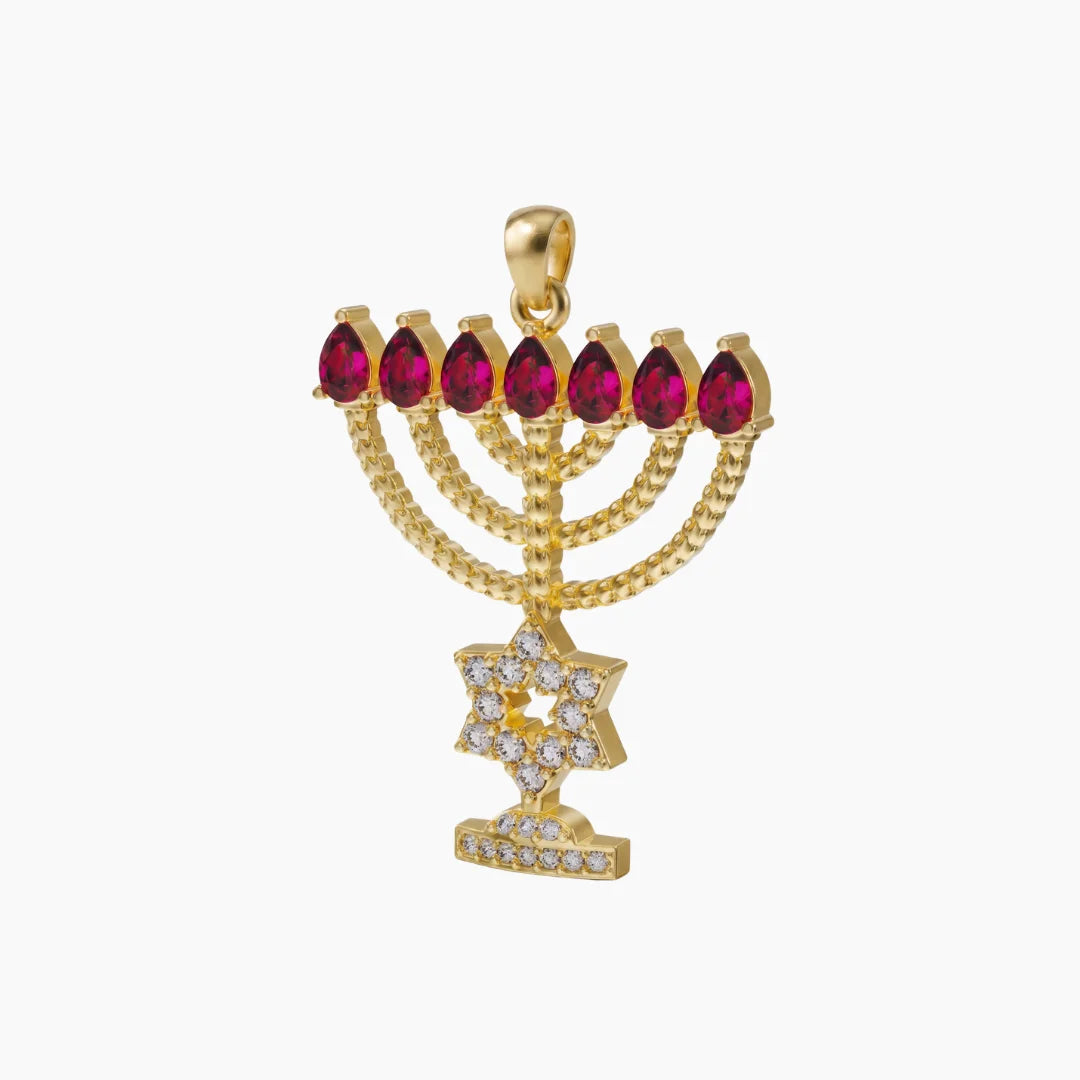
Elaborate brooches served practical and decorative functions in Ashkenazi dress, often used to fasten garments or secure head coverings. Silver filigree brooches featuring Jewish symbols like the Star of David, menorahs, or floral motifs were particularly popular in Eastern European communities. Wealthy families commissioned gold brooches set with precious stones, which also served as portable wealth and were passed down through generations as family heirlooms.
Necklaces and Pendants
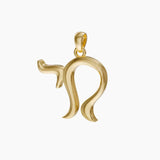
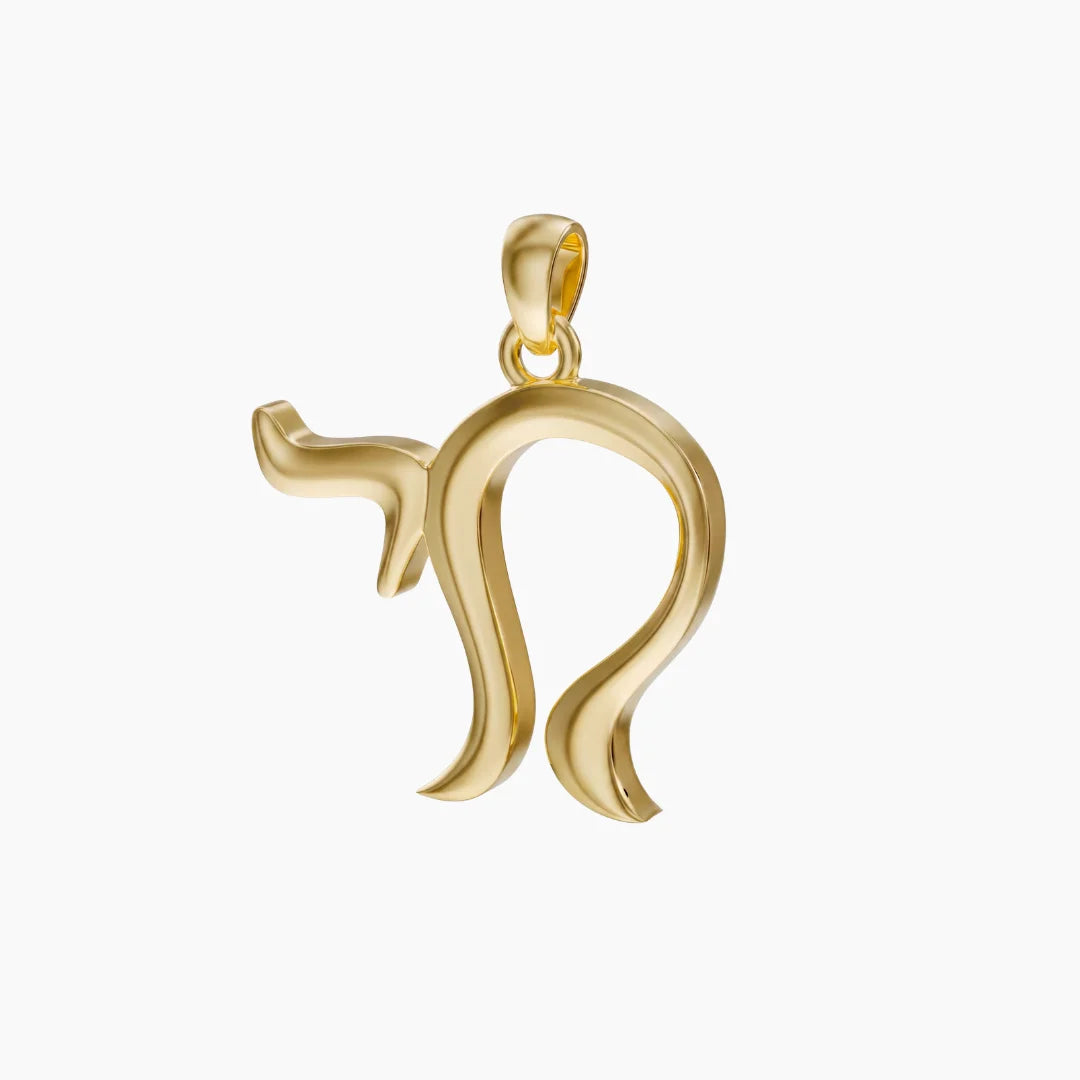
Ashkenazi necklaces ranged from simple chains bearing Hebrew letter pendants to elaborate multi-strand coral and pearl designs. Chai symbols (representing life) and Magen David (Star of David) pendants became increasingly popular from the 19th century onward. Marriage necklaces featuring linked coins or medals documented family history and prosperity, with new elements added for significant life events.
Torah Ornaments
While not worn personally, Torah ornaments represent some of the finest examples of Ashkenazi metalwork and jewelry artistry. Rimonim (Torah finials), atarot (Torah crowns), and yad pointers featured intricate silverwork, often incorporating bells, pomegranate motifs, and precious stones. These ceremonial pieces demonstrated community wealth and devotion, with techniques and styles directly influenced by regional jewelry-making traditions.
Ceremonial Pieces
Special occasions demanded distinctive jewelry. Spice boxes for Havdalah ceremonies, though not worn, employed jewelry-making techniques in their elaborate towers and filigree work. Sabbath belt buckles, holiday pins, and tallit (prayer shawl) clips combined religious function with artistic expression, allowing individuals to honor sacred observances while displaying craftsmanship and personal taste.
Symbolism and Spiritual Meaning in Ashkenazi Designs
Ashkenazi jewelry serves as far more than mere adornment-each piece functions as a tangible connection to faith, heritage, and divine protection. The symbols embedded in these designs carry centuries of religious significance and cultural memory, transforming wearable art into spiritual amulets.
The Star of David (Magen David)
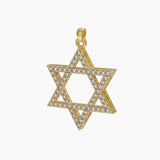
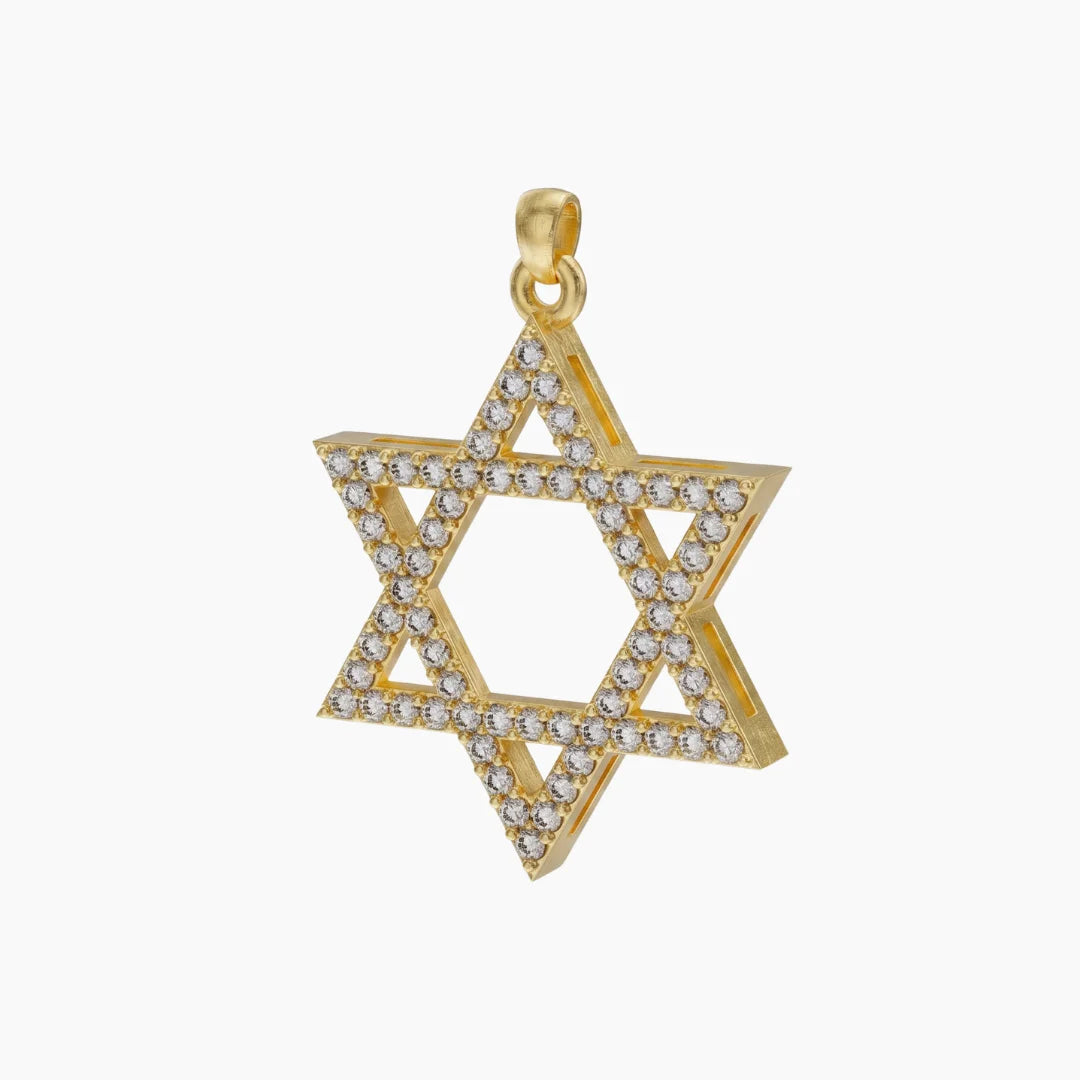
The six-pointed star emerged as a central motif in Ashkenazi jewelry, particularly from the 17th century onward. While its origins as a Jewish symbol are complex, it became deeply associated with Jewish identity in Eastern European communities. Jewelers incorporated the Magen David into pendants, rings, and brooches as a declaration of faith and communal belonging. The interlocking triangles symbolize the connection between God and humanity, the divine and earthly realms.
The Hamsa Hand
Though more commonly associated with Sephardic traditions, the hamsa occasionally appeared in Ashkenazi pieces, especially in regions with cultural exchange. This palm-shaped amulet represents divine protection against the evil eye (ayin hara). When present in Ashkenazi jewelry, it often features Hebrew letters or prayers, blending protective folk tradition with Jewish religious text.
Hebrew Inscriptions and Sacred Text
Words hold profound power in Jewish tradition, and Ashkenazi jewelers masterfully incorporated Hebrew letters and sacred phrases into their work. Common inscriptions include "Mazal Tov" (good fortune), "Chai" (life), and verses from Torah or Psalms. Wedding rings frequently bore the phrase "Mazel Tov" or "Im Eshkachech Yerushalayim" (If I forget thee, O Jerusalem). These inscriptions transformed jewelry into portable prayers, offering blessings and spiritual protection to the wearer.
Protective and Mystical Motifs
Ashkenazi jewelry often incorporated protective symbols rooted in both Kabbalah and folk tradition. The "Shaddai" (Almighty) inscription appeared on amulets and Torah pointers as a divine name offering protection. Animal motifs like lions (representing the tribe of Judah) and doves (symbolizing peace and the soul) carried layered meanings. Pomegranates, with their 613 seeds corresponding to the Torah's commandments, appeared in filigree work and pendant designs.
These symbols created a visual language of faith, allowing Ashkenazi Jews to carry their beliefs, hopes, and cultural identity wherever they traveled-a particularly meaningful practice for communities facing displacement and persecution throughout history.
Materials and Traditional Craftsmanship Techniques
The selection of materials in Ashkenazi jewelry reflected both symbolic meaning and regional availability. Garnets, abundant in Bohemia and Poland, featured prominently, their deep red hue symbolizing love and devotion. Pearls represented tears and purity, commonly adorning bridal jewelry. Semi-precious stones like coral, turquoise, and amber were incorporated for their protective properties according to Jewish folk beliefs.
Filigree work stands as one of the most distinctive techniques in Ashkenazi jewelry making. Master artisans twisted and curled fine silver or gold wire into delicate, lace-like patterns, creating ethereal designs that seemed to float above the base metal. This painstaking technique required years to master, with craftsmen using specialized tools to coil, spiral, and weave precious metal threads into intricate floral motifs, geometric patterns, and Hebrew letters.
Engraving methods varied from simple inscriptions to elaborate decorative work. Artisans employed hand-chasing techniques to create relief patterns, pushing metal from behind to form raised designs. Repoussé work added dimensional depth, while niello-a black mixture of metallic sulfides-filled engraved lines to create dramatic contrast against polished silver.
These techniques passed through generations within artisan families and guild systems. Young apprentices spent years learning the trade, beginning with basic metalworking before advancing to complex filigree and stone-setting. Master jewelers guarded their techniques carefully, creating distinctive regional styles that identified pieces from specific communities. This knowledge transfer ensured the survival of traditional methods even as Jewish communities migrated, carrying their craftsmanship traditions to new lands and preserving their cultural heritage through metalwork.
Ashkenazi Jewelry in Contemporary Fashion and Design
The enduring appeal of Ashkenazi jewelry traditions extends well beyond historical interest. Contemporary jewelry designers are experiencing a renaissance of interest in this heritage, mining centuries-old motifs and techniques to create pieces that resonate with modern sensibilities. This revival transcends mere nostalgia, representing a sophisticated dialogue between tradition and innovation that appeals to those seeking authenticity and meaning.
Leading designers have begun reinterpreting classic Ashkenazi symbols-the hamsa, Star of David, Hebrew letter forms, and ornate filigree patterns-through minimalist lenses and contemporary materials. Where traditional pieces featured elaborate gold work and multiple gemstones, modern interpretations often embrace clean lines, negative space, and unexpected material combinations such as blackened silver, rose gold, and conflict-free diamonds. This aesthetic evolution makes heritage jewelry accessible to younger generations who value both cultural connection and contemporary style.
Several high-profile fashion houses and independent artisans have incorporated Ashkenazi-inspired elements into their collections, appearing on international runways and in editorial spreads. These pieces bridge the sacred and secular, transforming religious symbols into fashion statements that honor their origins while serving as wearable art. Filigree-inspired chain work reminiscent of Eastern European metalworking has been particularly influential, appearing in everything from statement necklaces to architectural earring designs.
The contemporary market for Ashkenazi-inspired jewelry extends beyond Jewish consumers, appealing to collectors who appreciate artisanal craftsmanship and historically-rooted design. Limited-edition collections that reproduce or reinterpret archival pieces from museum collections command premium prices, while custom commissions allow clients to incorporate family heirlooms or meaningful symbols into bespoke designs.
This movement also reflects broader trends in ethical consumption and cultural preservation. Many contemporary designers emphasize traditional metalworking techniques passed down through generations, positioning their work as both luxury goods and cultural artifacts. Collaborations between jewelers and historians, museums, and cultural institutions ensure authenticity while introducing these traditions to new audiences. By honoring the past while embracing innovation, today's designers ensure that Ashkenazi jewelry traditions remain vibrant and relevant.
Collecting and Authenticating Ashkenazi Jewelry
For collectors and enthusiasts, acquiring authentic Ashkenazi jewelry requires careful examination and knowledge of historical craftsmanship techniques. Understanding authentication methods protects against reproductions while ensuring the preservation of genuine cultural artifacts.
Identifying Authentic Pieces
Authentic Ashkenazi jewelry exhibits specific characteristics that distinguish it from modern reproductions. Examine the metalwork for signs of hand fabrication, including slight irregularities in filigree patterns and granulation. Genuine antique pieces show natural wear patterns consistent with age, particularly on high-contact areas like clasps and chain links. The patina on silver should appear organic rather than artificially induced. Stone settings typically feature period-appropriate techniques such as closed-back settings for earlier pieces and open settings for later Victorian-era items.
Hallmarks and Maker's Marks
European hallmarking systems provide crucial authentication evidence. Austrian pieces often bear the Diana head mark (1867–1922), while Hungarian jewelry features the crescent moon and crown. Russian marks include kokoshnik symbols and city marks from regions with significant Jewish populations. Polish pieces may display eagle marks with corresponding fineness numbers. However, many pieces created by Jewish artisans in smaller communities lack official hallmarks, making stylistic analysis and construction techniques equally important.
Dating Methods
Multiple factors assist in dating Ashkenazi jewelry. Design motifs reflect specific periods: baroque-influenced florals suggest 18th century origins, while geometric patterns indicate Art Deco influence from the 1920s–1930s. Stone cutting styles evolve chronologically-rose cuts dominated through the 18th century, old mine cuts appeared in the 19th century, and old European cuts emerged in the late Victorian period. Chain construction and clasp mechanisms also provide temporal clues, with barrel clasps indicating Victorian origin and spring rings suggesting later production.
Provenance and Documentation
Documented provenance significantly enhances both authenticity confidence and value. Family histories, photographs showing pieces being worn, immigration documents, and estate records all strengthen attribution. Holocaust-era pieces require particularly sensitive handling, with proper documentation of restitution status essential. Reputable dealers provide certificates of authenticity and detailed provenance when available.
Investment Considerations
The market for Ashkenazi jewelry values rarity, condition, craftsmanship quality, and historical significance. Pieces with exceptional filigree work or unusual regional characteristics command premium prices. Complete sets (necklace, earrings, bracelet) hold greater value than individual items. Museum-quality examples with documented provenance represent the strongest investments. Condition significantly impacts value-original stones, intact enamelwork, and functioning clasps are preferable to heavily restored pieces. As with all antique jewelry, purchasing from established dealers, auction houses, or certified appraisers provides important buyer protection and expertise.
Preserving Heritage Through Ashkenazi Jewelry
Ashkenazi jewelry represents far more than beautiful adornment-it is a living testament to centuries of cultural resilience, artistic innovation, and spiritual devotion. Each piece carries the weight of history, from the intricate filigree work that traveled from Eastern European shtetls to modern workshops, to the symbolic motifs that continue to connect generations across time and geography.
In an era of mass production, authentic Ashkenazi jewelry offers a tangible connection to ancestral roots and enduring traditions. Whether passed down through families or newly acquired by those discovering their heritage, these pieces serve as daily reminders of identity, faith, and the remarkable strength of Jewish cultural continuity. The craftsmanship techniques-many refined over hundreds of years-ensure that each item becomes an heirloom worthy of future generations.
For those drawn to the profound intersection of art, history, and spirituality, Ashkenazi jewelry provides a meaningful way to honor the past while embracing timeless beauty. At Tyferet, we celebrate this remarkable tradition by curating pieces that preserve artistic legacy while meeting contemporary sensibilities. We invite you to explore our Ashkenazi Jewelry Collection and discover the piece that speaks to your own story and heritage.
Shop the pieces
- Handmade in IsraelEach piece is made by hand
- Free worldwide express shippingWherever you are in the world
- Safe & secure paymentsProtected, encrypted checkout
- Chat with an advisorHelp choosing a piece, size or metal
Frequently Asked Questions
What are the historical roots of Ashkenazi jewelry?
The tradition of Ashkenazi jewelry began in medieval Jewish communities along the Rhine River in present-day Germany. Following intense persecution in the 14th and 15th centuries, these artisans migrated eastward into the Polish-Lithuanian Commonwealth. In this new geographic center, their craft absorbed Slavic, Baltic, and Ottoman artistic styles, resulting in a unique aesthetic that flourished and provided economic stability from the 16th to 18th centuries.
How does Ashkenazi jewelry differ from Sephardic traditions?
Ashkenazi pieces predominantly feature silver, reflecting both economic constraints and a religious association with purity, whereas Sephardic traditions often embraced gold. Aesthetically, Ashkenazi designs emphasize geometric precision, symmetry, and restrained, austere presentations, which contrast sharply with the vibrant enamelwork and Mediterranean influences found in Sephardic jewelry. Furthermore, specific ceremonial adornments, such as the elaborately beaded Sterntichl headpiece worn by married women, remain entirely exclusive to the Ashkenazi tradition.
Which symbolic motifs are most common in Ashkenazi designs?
Because words carry profound power in Jewish tradition, artisans frequently integrated Hebrew inscriptions like "Mazal Tov" (good fortune) and "Chai" (life) directly into their metalwork. Religious imagery is also prevalent, with common symbols including the Tablets of the Law, the Star of David, lions representing the tribe of Judah, and pomegranates symbolizing the Torah's commandments. While the hamsa is less common here than in Sephardic works, Ashkenazi pieces often feature protective Kabbalistic symbols and engraved silver capsules designed to ward off the evil eye.
What traditional techniques and materials define this craft?
The craft is defined by exceptional metalworking techniques, particularly intricate filigree where master jewelers spent years learning to twist and weave fine silver or gold wire into delicate, lace-like floral and geometric patterns. Artisans also employed repoussé to create dimensional depth and used niello—a black metallic mixture—to add dramatic contrast to engraved lines. For ornamentation, jewelers favored locally available or highly symbolic stones, frequently incorporating deep red Bohemian garnets, delicate pearls, and protective materials like coral and amber.
How can collectors authenticate antique Ashkenazi jewelry?
Authenticating these historic pieces requires close examination of the hand fabrication, as genuine items will show slight, organic irregularities in the filigree and granulation, alongside natural wear patterns on clasps and chains. European makers' marks serve as crucial identifiers, with authentic pieces often bearing symbols like the Austrian Diana head, the Hungarian crescent moon, or the Russian kokoshnik. However, because many Jewish artisans in smaller communities could not use official hallmarks, documented provenance—such as family histories, immigration papers, or estate records—remains vital for proving a piece's true origins and value.
More from Symbols & Heritage
View all Mother Of PearlWhat Is Mother of Pearl? Color, Iridescence and Jewelry Design
 Our Craftsmanship Handmade Judaica Jewelry and What to Look For
 Tyferet SymbolThe Tyferet Symbol: A Modern Interpretation of the Star of David
 Mixing Gold & SilverThe Modern Guide to Mixing Gold and Silver Jewelry with Confidence
 Jerusalem RingJerusalem Ring: The Eternal City Engraved in Gold and Silver
 Jewish RingThe Hidden Meanings Behind Jewish Ring Inscriptions
 Ani Ledodi JewelryAni Ledodi Jewelry: The Song of Songs Wedding Phrase in Gold & Silver
 Menorah JewelryMenorah Jewelry: The 7 Branches of Light & Wisdom in Jewish Tradition
Join the Tyferet world
Be the first to discover new collections, events and receive access to our exclusive member-only offers. Subscribe to our newsletter.