
Skip to content

Cart

Your cart is empty

In this article 2 chapters

The difference begins with gold content

14K and 18K describe the proportion of gold in an alloy. On the 24-part karat scale, 14K is approximately 58.3 percent gold and 18K is 75 percent. The remaining metals influence color and other properties. Neither label, by itself, tells you everything about the comfort, durability or finish of a finished piece.

For Judaica jewelry, the decision should start with the design you want to wear and how you will use it. A substantial pendant and a fine ring have different demands. Choosing the higher karat is not automatically the same as choosing the better piece for your life.

Color depends on the alloy

Yellow, white and rose gold achieve their appearance through alloy composition and, in some jewelry, surface finishing. Compare photographs of the actual options and ask about the selected piece. Do not assume every white-gold item is plated or that every yellow-gold alloy has exactly the same shade.

Tyferet works with 14K and 18K gold in its broader jewelry practice, but available options vary by design. A product listing should establish what is currently offered. Do not plan a gift around an unconfirmed metal or color option.

Wear depends on more than karat

14K is often chosen for frequently worn jewelry, while 18K appeals to buyers who prefer its higher gold content. However, alloy formulation, manufacturing, thickness and setting design all influence performance. Avoid treating either karat as scratchproof or suitable for unrestricted wear.

A finely made 18K piece can be worn with care, and a delicate 14K piece can still be damaged by pressure. Ask about the actual construction rather than relying on a simple ranking of metals.

Compare the complete piece

Consider how the jewelry feels, how visible its symbol is and whether its proportions suit the wearer. For a ring, confirm fit and band profile. For a pendant, check whether a chain is included and suitable for its size and weight. A karat comparison should not distract from these practical details.

Price and value

With otherwise similar weight and design, the greater gold content of 18K can affect price. Finished jewelry prices also reflect metal weight, stones, workmanship and other factors. Two pieces with different construction are not a controlled comparison simply because one is 14K and the other is 18K.

Use the current price of the selected configuration. Choose for quality, enjoyment and meaning rather than an assumption that jewelry guarantees financial appreciation. A future resale outcome is separate from the value of wearing a piece you love.

Metal sensitivities

Neither 14K nor 18K is a universal guarantee against a reaction. If you have a known sensitivity, request the specific alloy information and discuss it with an appropriate professional if needed. Do not infer nickel content or another alloy ingredient from the gold's color alone.

Care and available choices

Both karats need thoughtful wearing and storage. Remove jewelry before water, exercise and cleaning, and use the care method suitable for the most sensitive material in the piece. Eilat stone and Roman glass do not become washable because their settings contain more gold.

Browse Tyferet's current necklaces and rings, then compare the available options for the design that speaks to you. If the metal choice is unclear, ask for confirmation before ordering.

Shop the pieces

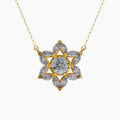
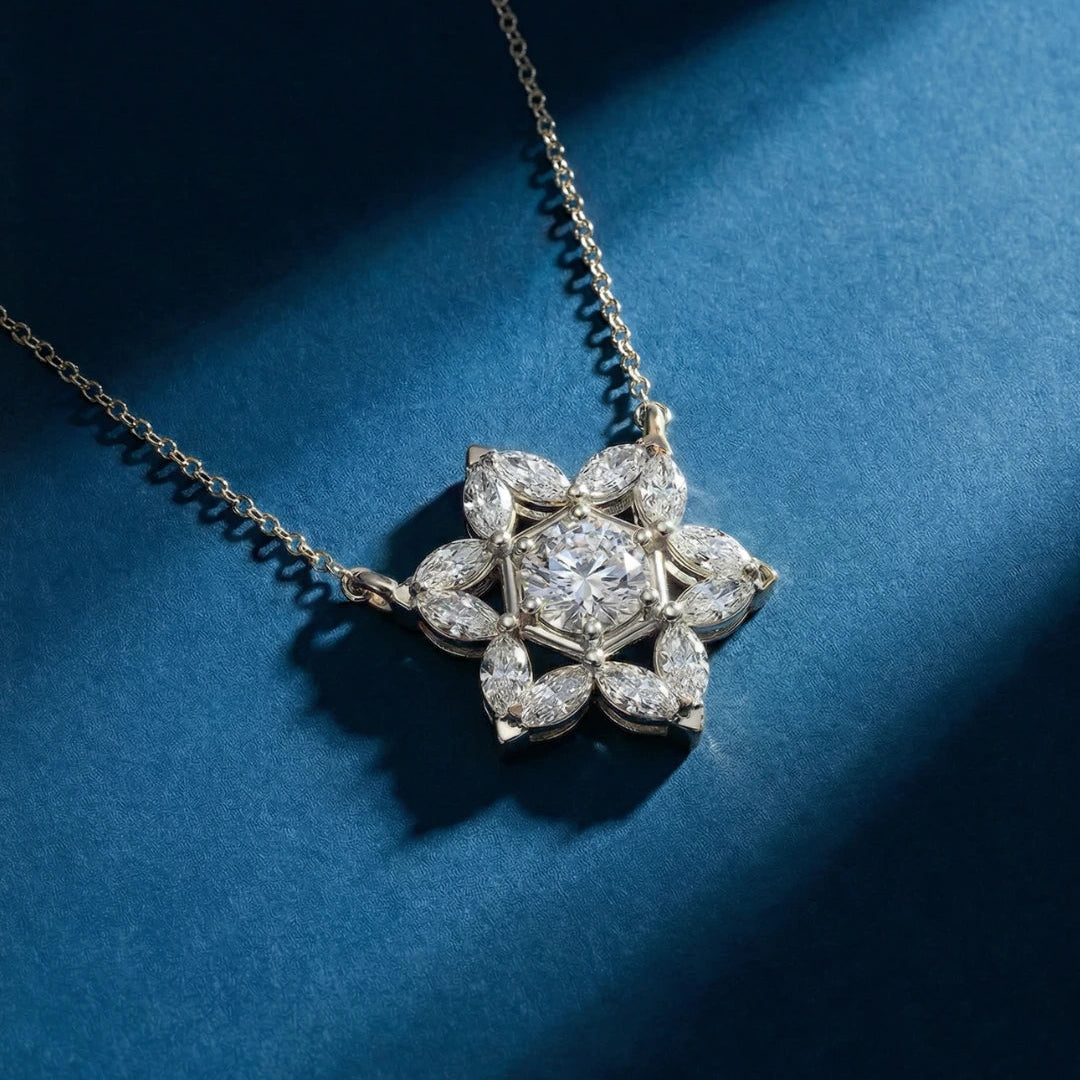
14k gold - Star of David Legacy Necklace with lab-grown diamonds, handcrafted in Israel
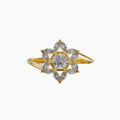
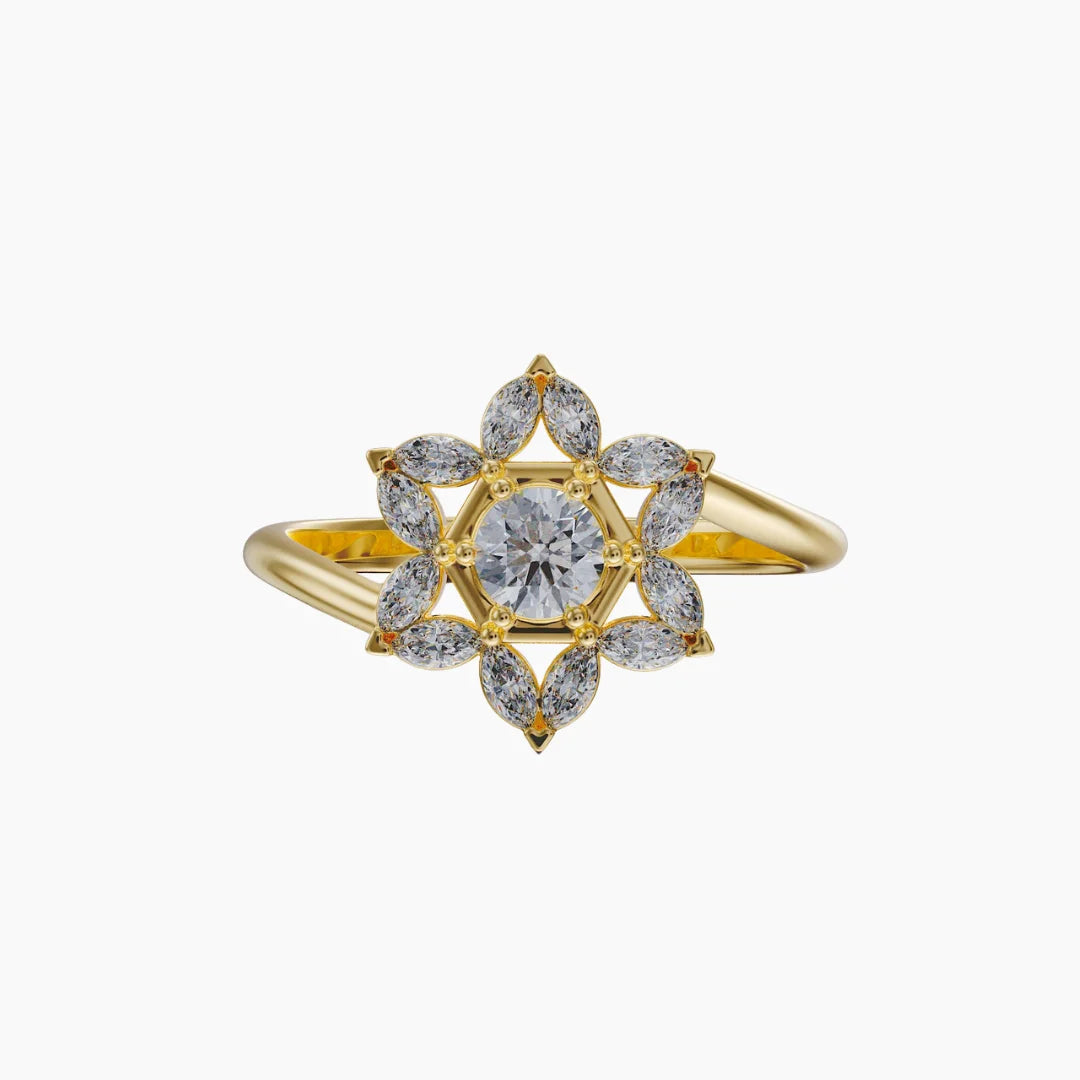
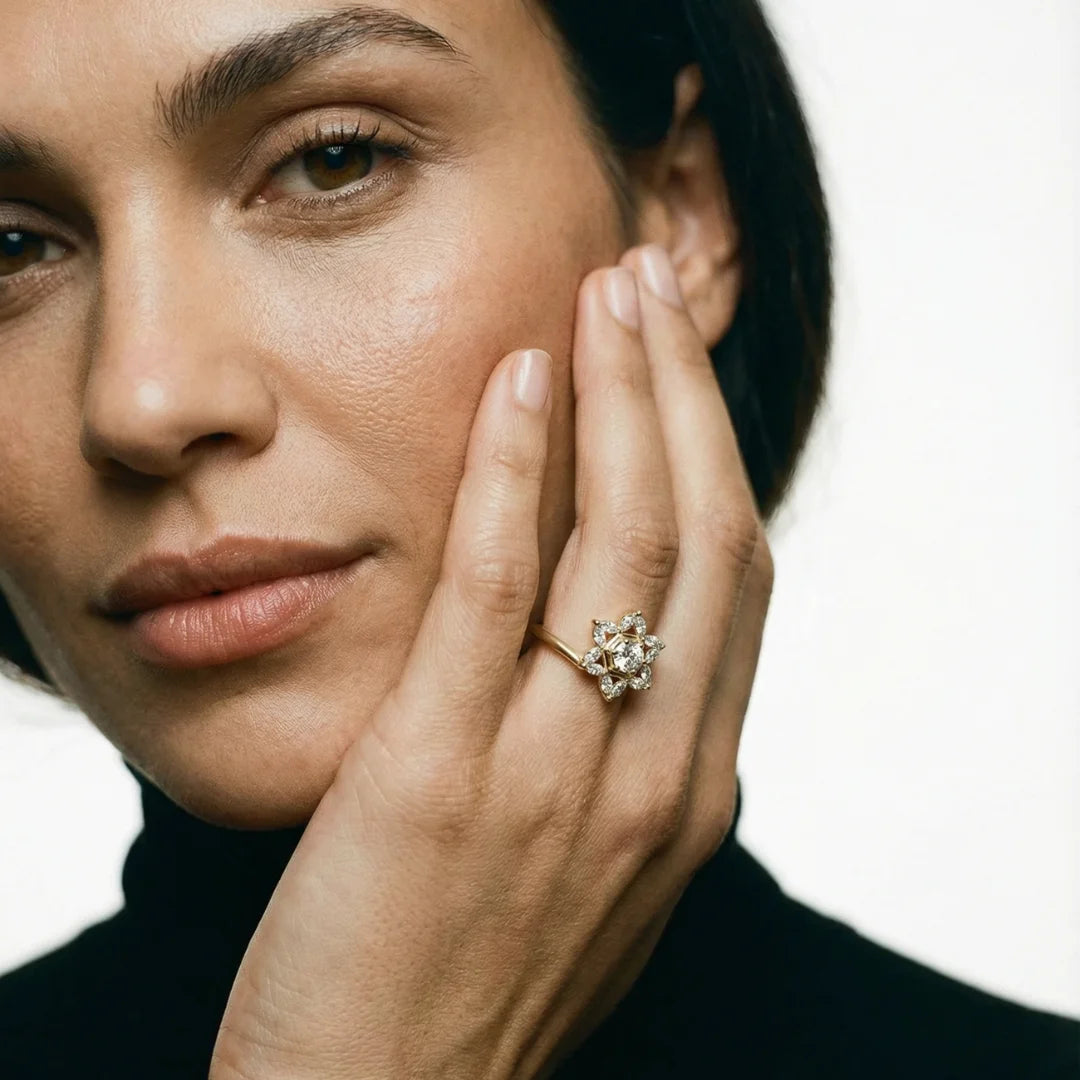
14K Gold - Star of David Legacy Ring with lab-grown diamonds, handcrafted in Israel
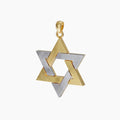
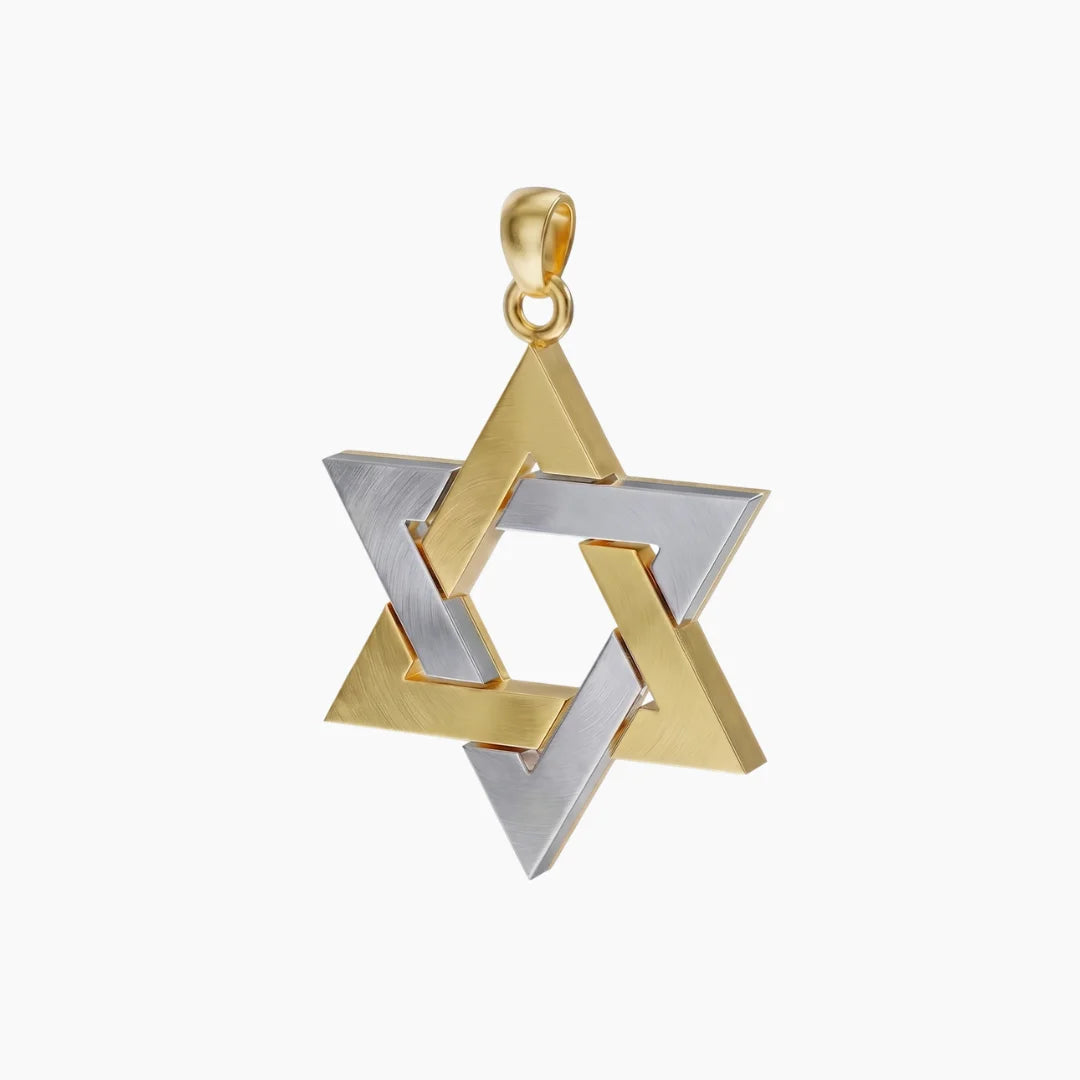
Classic Two Tone Star of David Necklace in solid 14K yellow and white gold, handcrafted in Israel
  • Handmade in IsraelEach piece is made by hand
  • Free worldwide express shippingWherever you are in the world
  • Safe & secure paymentsProtected, encrypted checkout
  • Chat with an advisorHelp choosing a piece, size or metal

Frequently Asked Questions