Make the choice in everyday light
The best comparison is one you can connect to your own life. Product images help you identify the design and available option, but lighting and screens affect the appearance of metal. Give your preference more than one reference point before deciding.
Compare with the clothes you actually wear
Try holding existing yellow- and white-toned jewelry near two familiar necklines, ideally in natural indoor daylight. Notice which combination you enjoy with a light shirt and which you prefer against a darker top. You are looking for a relationship between the piece, its background, and your taste.
Skin-tone rules can be an unhelpful shortcut. You do not need to rule out a gold color because a styling chart assigns it to a different undertone. If both appeal to you, the motif, the surrounding jewelry, and the occasion may matter more than choosing a single color for everything.
Mixed metals can have a clear connection
To combine colors, repeat something else: the symbol, the shape of a setting, or the visual weight of the pieces. A small white-gold pendant and yellow-gold earrings can still feel related if you like their proportions together. Alternatively, one piece can carry both colors.
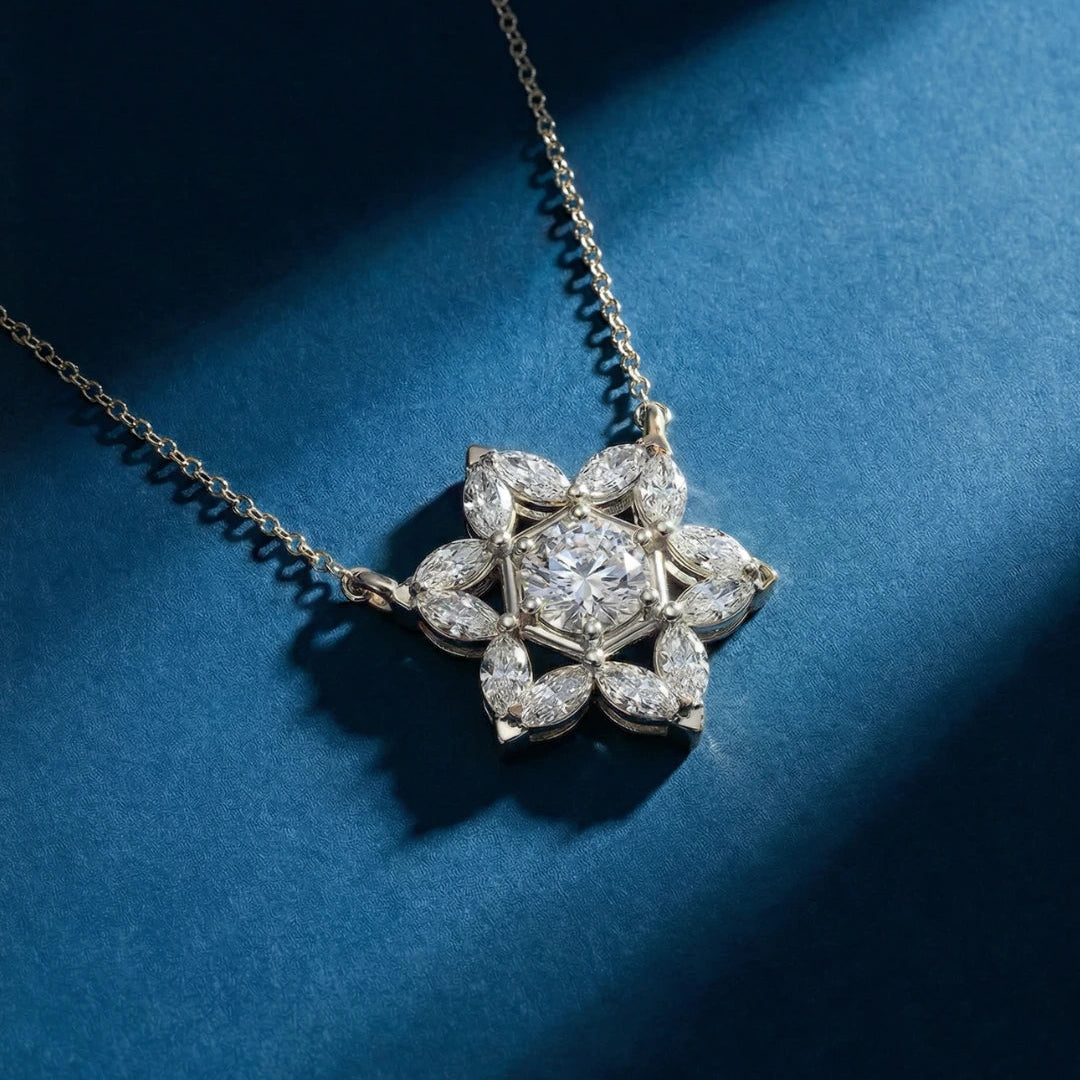
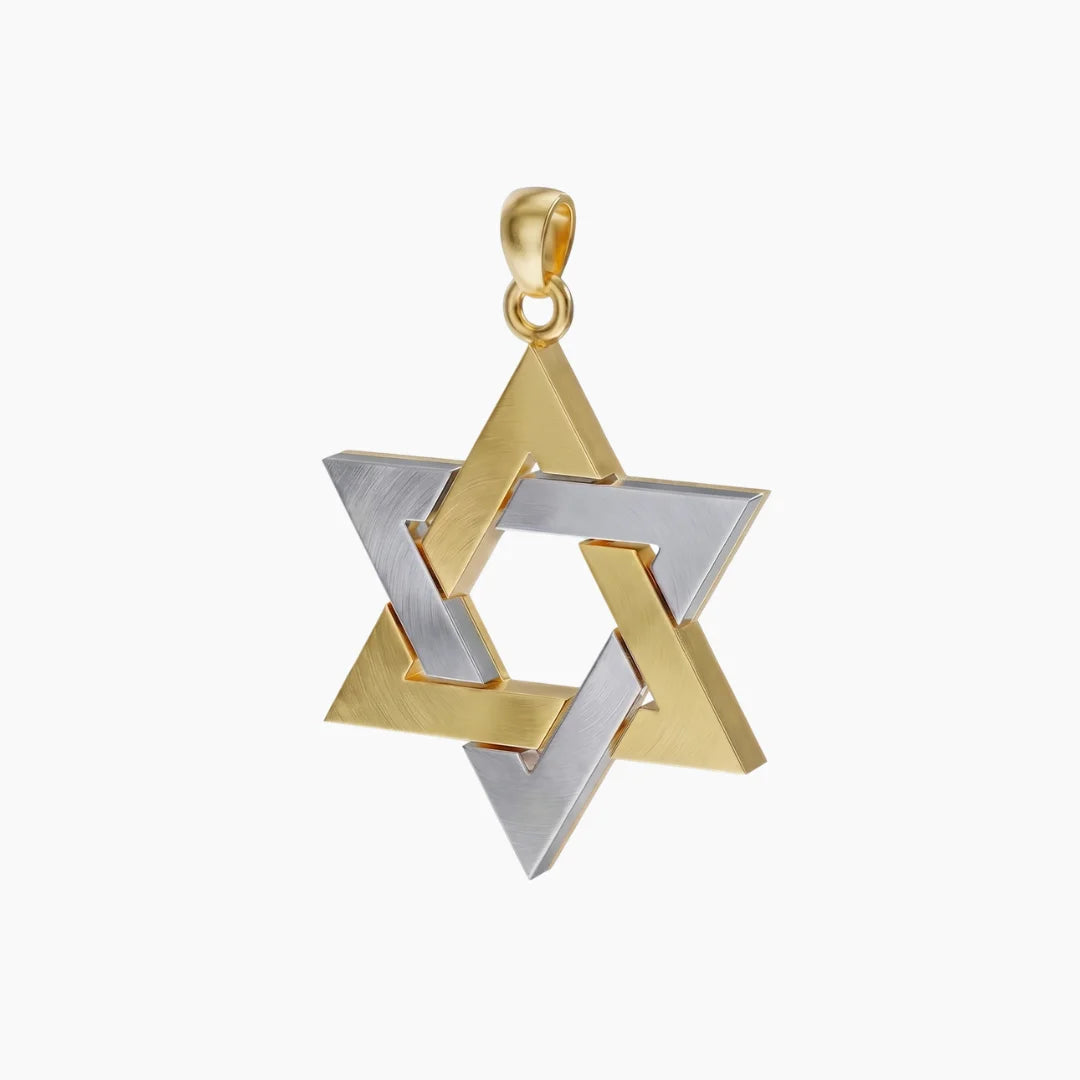
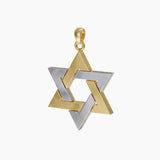
The Classic Two Tone Star of David Necklace is a current example of yellow and white gold used within one design. The two tones make the separate elements easier to distinguish. It offers another possibility if you enjoy both colors and want the contrast to be part of the motif itself.
Check the exact material option
Before ordering, select the intended gold color on the product page and confirm the choice in the cart. If you are coordinating two pieces, check both listings rather than assuming all designs offer the same options. Natural materials can also differ in appearance between pieces, so matching gold color does not promise identical centers.
Gold color alone does not establish the full alloy composition or surface finish. If either is important to your decision, contact Tyferet about the specific design. The answer should be grounded in that piece; a general description of white gold cannot establish how every manufacturer finishes it.
For a gift, follow the recipient's habits
Look at the jewelry they reach for repeatedly, especially pieces close to the face or hands. A favorite necklace or pair of earrings can give a clearer clue than an occasion-based rule. If their jewelry already mixes colors, you have room to choose according to the design and the meaning behind the gift.
The final decision can be simple: choose the color that makes you want to wear the piece. Jewish jewelry carries its meaning through the motif and its place in your life; the gold color is one more way to make that expression feel your own.







 DiamondsLab-Grown Diamonds in Judaica Jewelry: What Buyers Should Know
 Buying GuidePendant or Necklace? What to Check Before You Buy
 Fitting GuideHow Should a Bracelet Fit? Measuring for a Comfortable Choice
 Buying GuideStuds or Drop Earrings? Choosing Judaica Earrings for Everyday Wear
 Fitting Guide42 cm or 45 cm? How to Choose Your Necklace Length
 Fitting GuideHow to Find Your Ring Size Before Ordering Online
 Tyferet CollectionsLegacy, Timeless or Classic? A Guide to Tyferet's Collections
 Material Guide14K vs 18K Gold for Judaica Jewelry