
Skip to content

Cart

Your cart is empty

Diamonds

Lab-Grown Diamonds in Judaica Jewelry: What Buyers Should Know
In this article 2 chapters

What lab-grown means

A lab-grown diamond is diamond produced through a controlled manufacturing process. Its origin differs from that of a natural diamond formed in the earth. That distinction belongs in a clear product description so you can decide what you want to buy.

GIA explains that laboratory-grown diamonds have essentially the same chemical, physical, and optical properties as natural diamonds. Its comparison of natural and laboratory-grown diamonds also explains why identifying origin requires appropriate gemological examination rather than a casual visual test.

Diamond and simulant describe different things

A diamond simulant resembles diamond but is a different material. Examples include cubic zirconia and moissanite. Lab-grown diamonds are not those materials. IGI's laboratory-grown diamond guide distinguishes laboratory-grown diamonds from simulants and explains the terminology.

When comparing listings, read the complete stone description. Words such as sparkle or brilliance describe an appearance; they do not identify the material or establish its origin. A precise label is more useful than trying to judge a stone from an enlarged image.

The current Legacy necklace disclosure

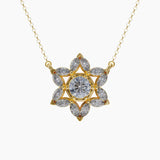
The Star of David Legacy Necklace currently identifies its diamonds as lab-grown in the Materials & Details section. The listing also specifies colorless diamonds and VVS clarity, alongside separate information about the gold and the piece's dimensions.

Read those statements as the information supplied for that product. They do not establish that every Tyferet item contains the same stones, or that every individual stone has a separate laboratory report. If documentation matters to your purchase, ask what accompanies the exact piece.

Look at the jewelry as a complete design

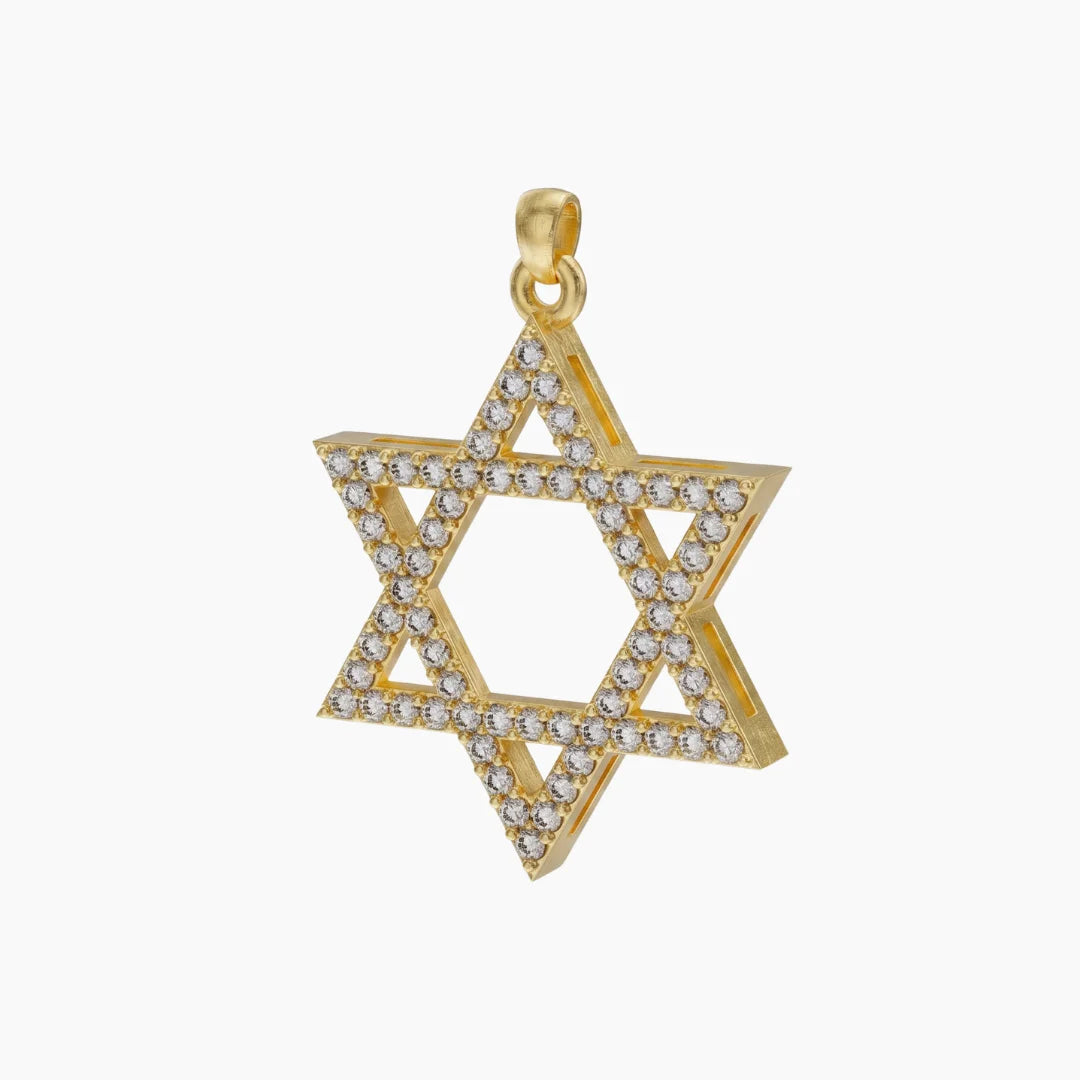
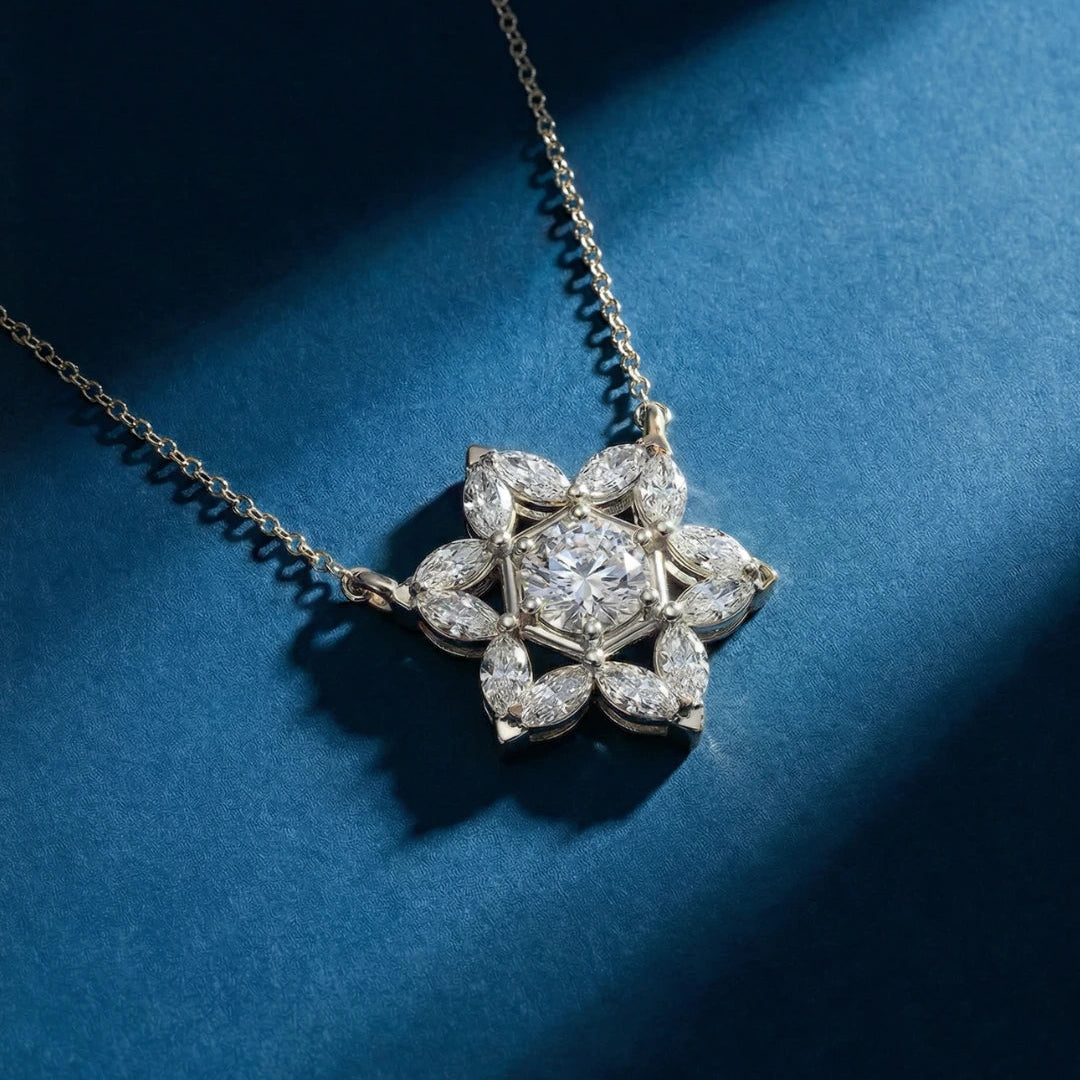
In the Legacy necklace, the surrounding settings and central stone create a fuller interpretation of the Star of David. The interest comes from the arrangement as well as the material. Look at the outline, the open spaces, and the way gold connects the different elements.

Origin is one part of choosing the piece. The motif's relationship to your identity, the dimensions you enjoy wearing, and the way the necklace sits with your clothing remain personal design decisions.

What to check before choosing a diamond-set piece

A useful comparison separates the questions a product page can answer. Start with the material disclosure, then look at the specifications and selected configuration. This makes it easier to compare two pieces without letting one impressive number stand in for the whole design.

Keep origin and quality descriptions separate

Lab-grown describes origin. A color or clarity description gives different information. Read each field on its own, and ask for clarification if a term is unclear or if two parts of a listing appear inconsistent. Do not substitute a general collection description for the details of the product you intend to order.

A retailer's material description and an independent laboratory report also serve different purposes. If a report is supplied, confirm which stone or item it covers and how it is connected to the jewelry. Do not assume that the presence of a grading term means every stone comes with an individual report.

Read weight alongside the design

A total carat weight combines the stated weight of the stones it covers. It is not necessarily the weight of the center stone. In a design with several shapes or sizes, the same total can be distributed in different ways. Look at the stone count and pendant dimensions alongside that number, and ask which stones the total includes if the wording is unclear.

The product photos are useful for seeing the composition; they are not a way to verify origin, precise weight, or a grading description. Use the written specifications for those details.

Compare the configuration you will actually buy

Check the selected gold color and chain length as well as the stone information. The current Legacy necklace offers yellow and white gold and two chain lengths. A different choice can change the visual balance of the same motif without changing the story you want it to carry.

If you are giving the necklace as a gift, keep the product information with your purchase record. It gives the recipient a clear description of the material and design, alongside the personal message that makes the gift theirs.

Explore the Legacy collection for the designs, then read the listing for the particular piece that interests you. For questions about stones or accompanying documentation, contact Tyferet with the product name. A meaningful piece deserves a material description that is just as clear as its design.

Shop the pieces

14k gold - Star of David Legacy Necklace with lab-grown diamonds, handcrafted in Israel
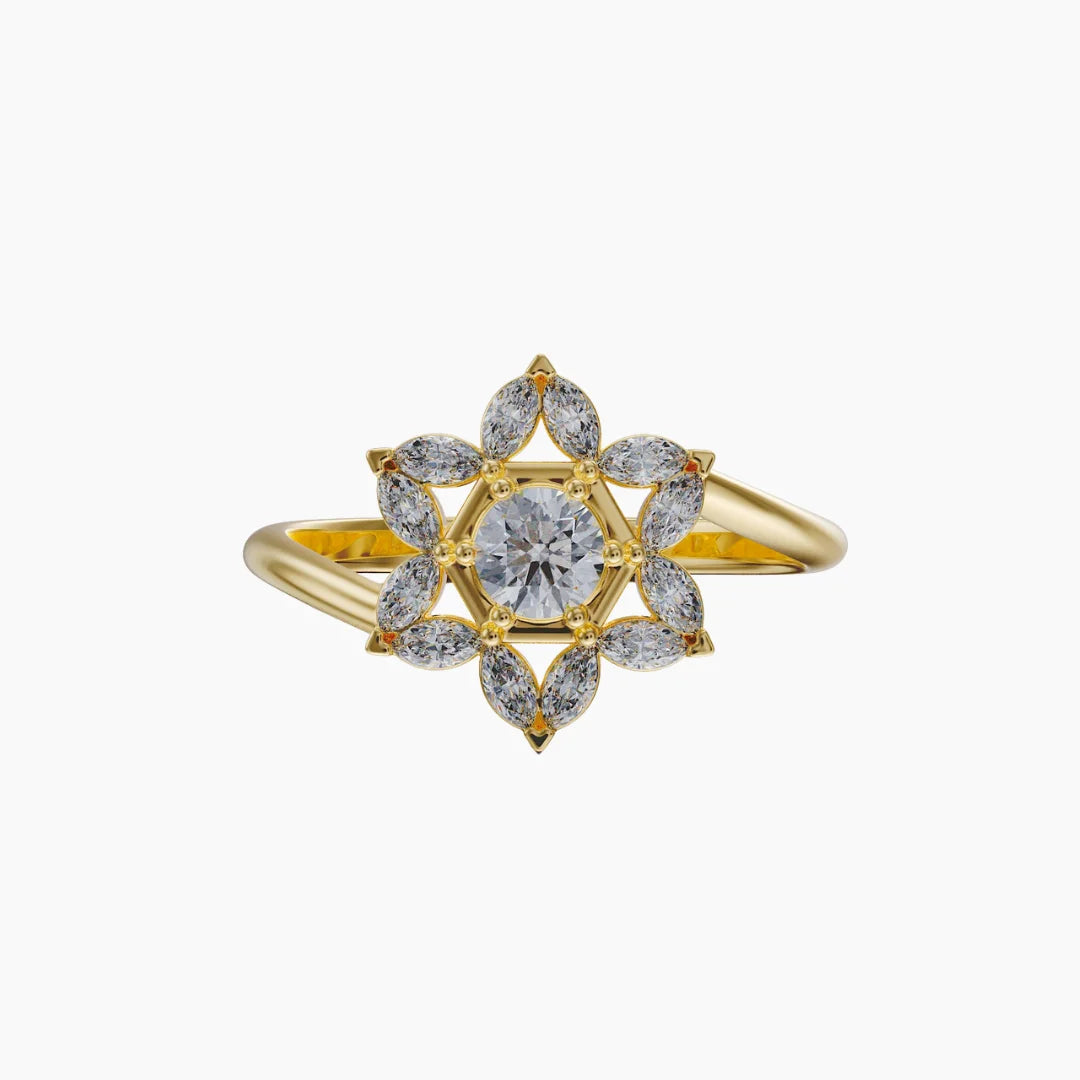
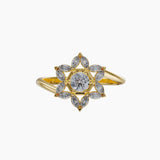
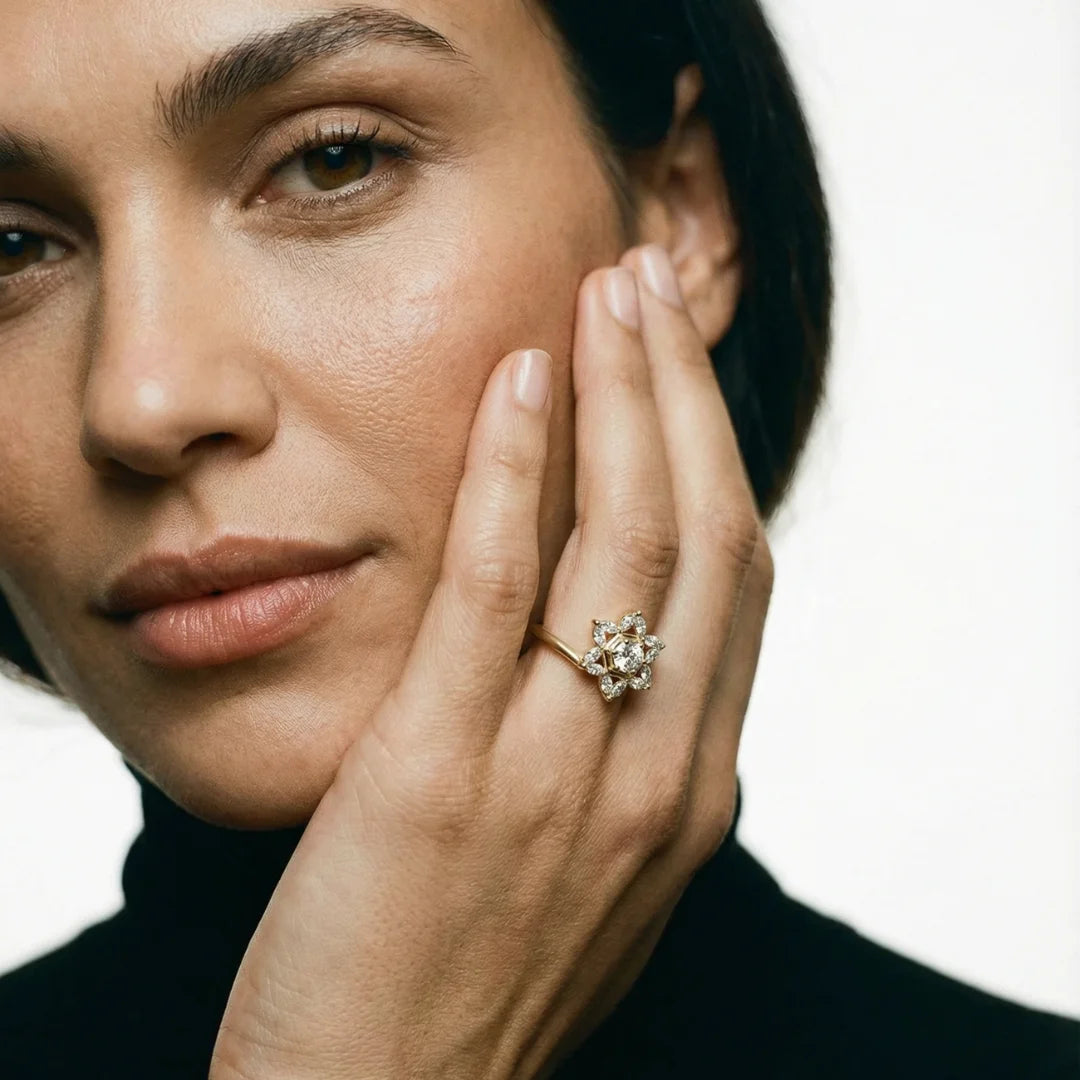
14K Gold - Star of David Legacy Ring with lab-grown diamonds, handcrafted in Israel
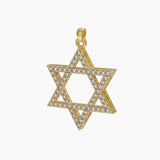
14k Gold - Classic Star of David Diamond Necklace with lab-grown diamonds, handcrafted in Israel
  • Handmade in IsraelEach piece is made by hand
  • Free worldwide express shippingWherever you are in the world
  • Safe & secure paymentsProtected, encrypted checkout
  • Chat with an advisorHelp choosing a piece, size or metal

Frequently Asked Questions