Skip to content

Cart

Your cart is empty

A guide to the Hebrew symbol for life and the design details that make it personal.

Choosing Chai Jewelry
In this article 2 chapters
What Chai means in a piece of jewelry

Chai is the Hebrew word for life. In jewelry, its two-letter form can become a personal expression of gratitude, continuity or hope for the years ahead. A Chai necklace may mark a family milestone, accompany everyday life or connect the wearer with Jewish identity.

The most meaningful interpretation is often the one you can explain in your own words. You might choose it to celebrate a new chapter or honor someone whose example matters to you. The symbol does not need a promise of luck or protection to carry emotional weight.

Choose a readable silhouette

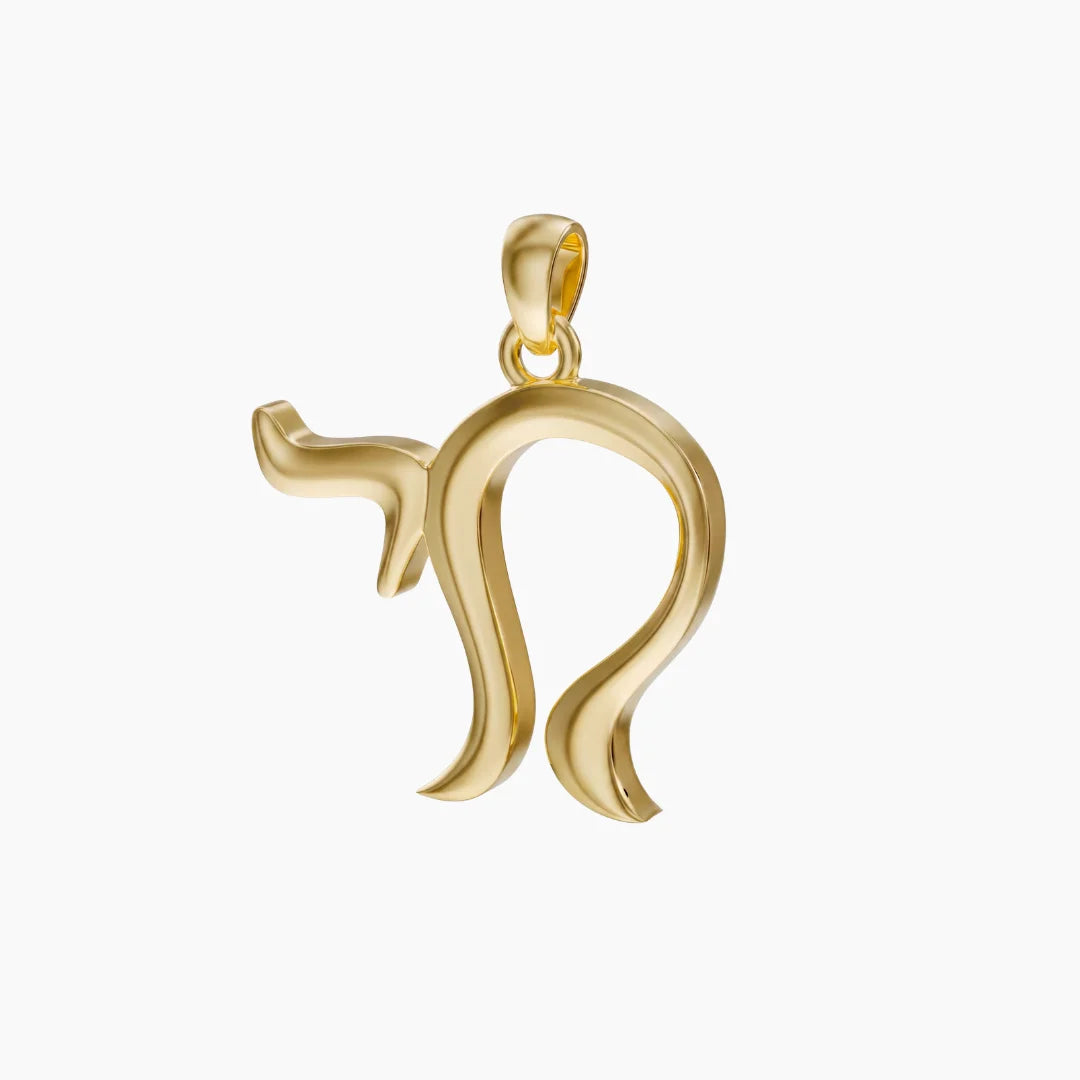
Look at how the letters are shaped, spaced and joined. A design can be bold or delicate while still keeping the Hebrew recognizable. If you are unfamiliar with the lettering, ask for an explanation rather than relying on the product photograph alone.

Consider the scale against the person wearing it. A close-up shows detail, while listed dimensions tell you how much presence the pendant will have. A simple outline and a fuller, stone-set design can feel quite different even when their width is similar.

Two current Tyferet directions

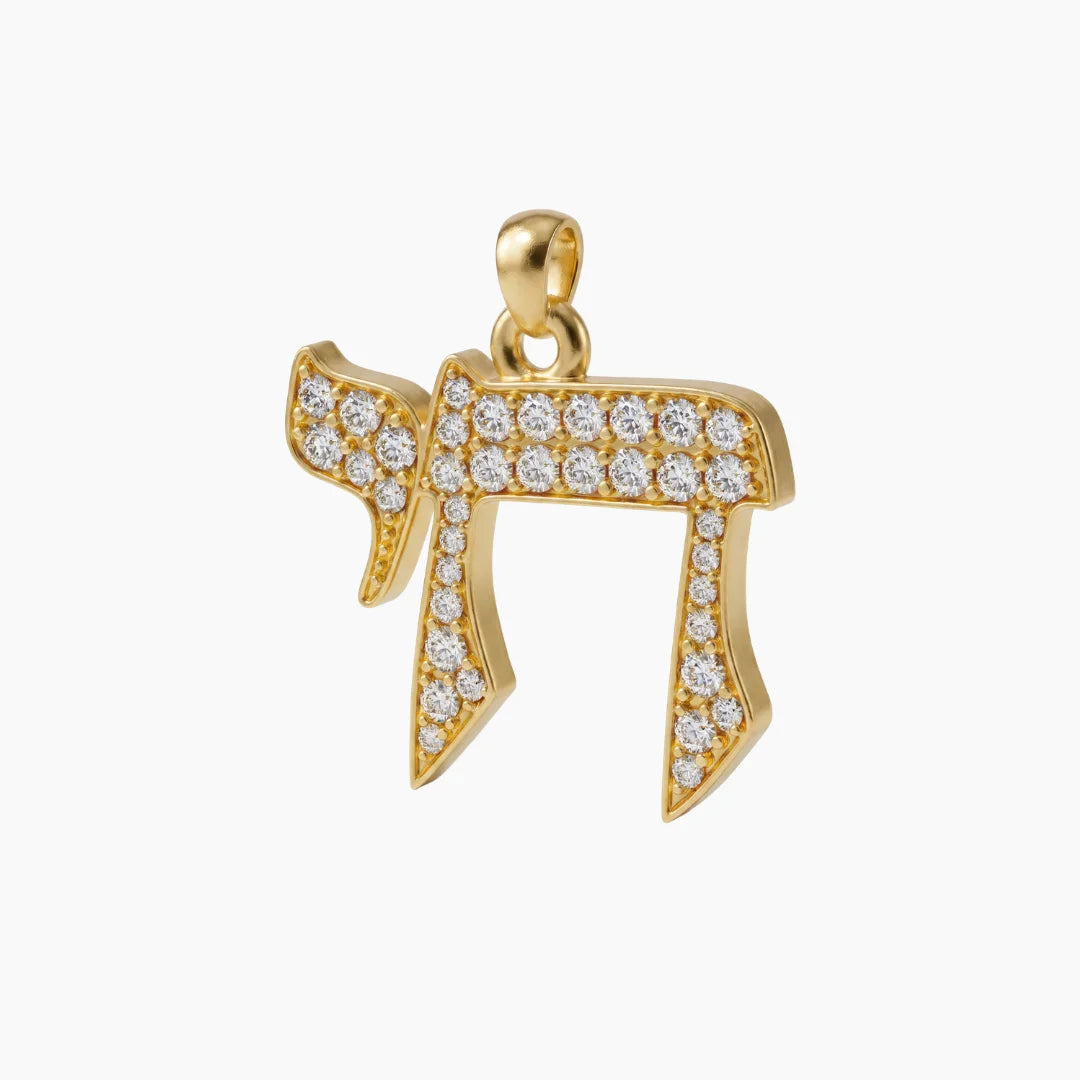
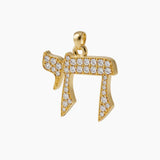
The Classic Chai Necklace offers a gold-centered interpretation. Read its available options and the selected configuration before choosing stones or a chain. Do not assume every image represents the same variant.

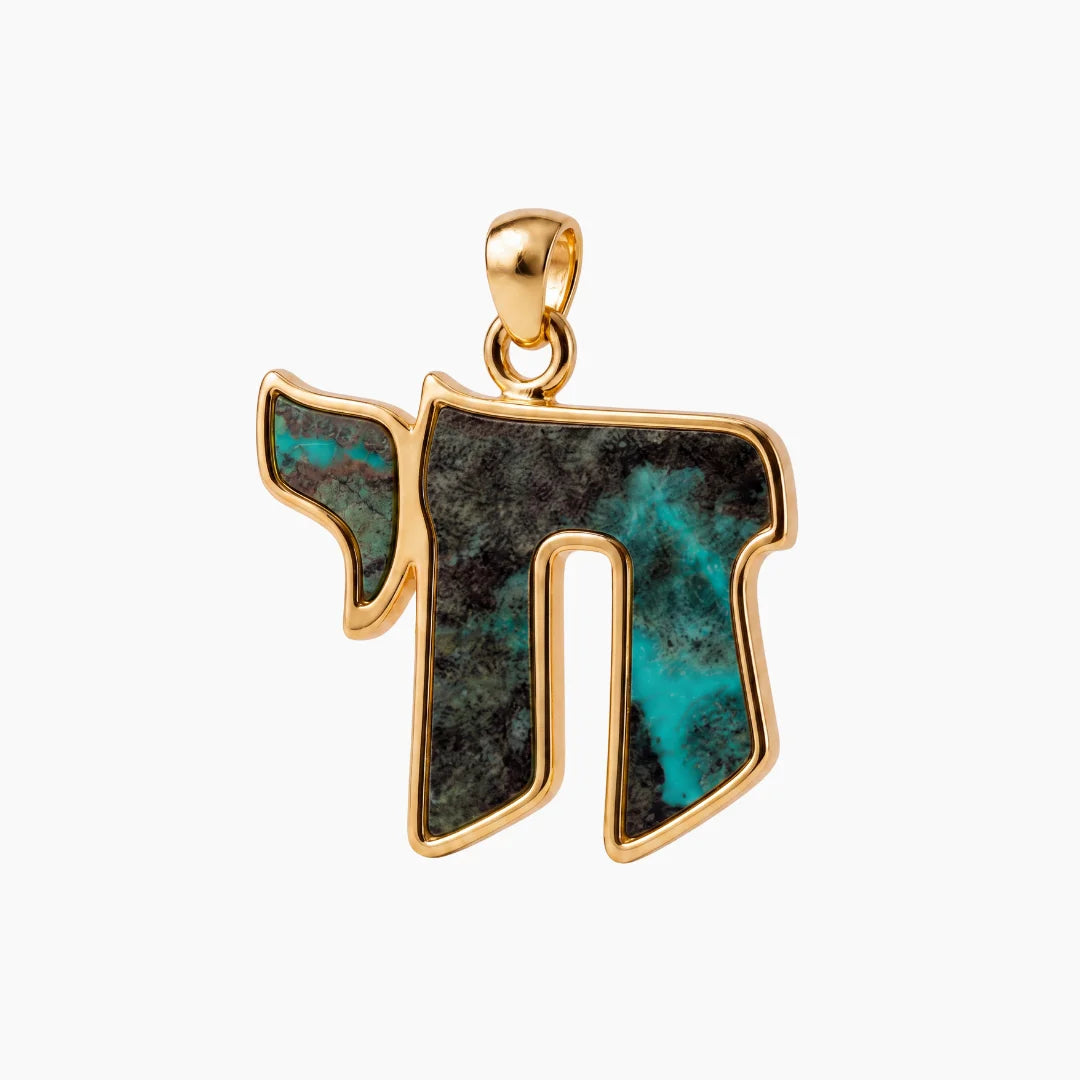
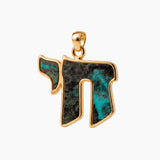
The Chai Eilat Stone Necklace pairs the symbol with natural Eilat stone. The stone's blue and green pattern gives each piece an individual appearance, so the jewelry you receive may differ from a representative photograph.

Make the choice fit the wearer

Start with whether the wearer prefers a quiet symbol or a more noticeable centerpiece. Then compare gold color, pendant dimensions and chain choices. If the piece is a gift, look at the jewelry they already wear and ask whether a particular length or metal color feels most familiar.

Confirm the chain and full configuration

Some necklace listings include a pendant-only option as well as chain choices. Check the selection before comparing prices. If using an existing chain, confirm that it passes through the bail and is appropriate for the pendant's construction and weight.

Chain length is personal. The same length sits differently on different bodies and with different necklines. Compare a comfortable existing necklace or ask for help instead of treating one measurement as suitable for everyone.

Give the symbol context

A Chai piece can be a thoughtful Bar or Bat Mitzvah gift, an anniversary present or a personal celebration. The occasion does not determine the design automatically. For a younger recipient, involve a parent or guardian in the fit and wearing routine.

Include a note explaining why life and continuity feel meaningful for this person at this moment. A sentence about a shared memory will often say more than a generic explanation copied onto a card.

Care for the material you choose

Remove jewelry before water, exercise and sleep, and store it separately. Eilat stone requires a more cautious routine than plain gold, so do not wash a stone-set Chai pendant as if it were only a chain. Follow the selected piece's care guidance and ask about anything unclear before cleaning.

Explore Tyferet's necklaces to compare what is currently available. Choose the piece whose shape, materials and meaning you will want to return to.

Shop the pieces

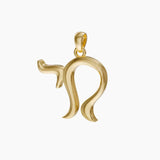
14k gold - Chai Timeless Necklace in solid 14K gold, handcrafted in Israel
14k gold - Classic Chai Necklace with lab-grown diamonds, handcrafted in Israel
Classic Chai Necklace
From $980.00
14K Gold Electric Blue - Chai Eilat Stone Necklace with natural Eilat Stone, handcrafted in Israel
  • Handmade in IsraelEach piece is made by hand
  • Free worldwide express shippingWherever you are in the world
  • Safe & secure paymentsProtected, encrypted checkout
  • Chat with an advisorHelp choosing a piece, size or metal

Frequently Asked Questions