Skip to content

Cart

Your cart is empty

In this article 2 chapters

Understand the motif without assigning it one meaning

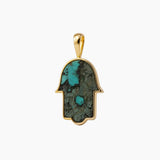
Hamsa jewelry uses the form of an open hand, sometimes with an eye or other decorative detail. For some wearers it connects with family traditions of protection and blessing; others are drawn to its shape or cultural familiarity. These associations are beliefs and interpretations, not promises of a physical or supernatural effect.

The Hamsa appears in Jewish contexts and in other Middle Eastern and North African traditions. Its meaning is not identical across every community. Avoid choosing a piece on the claim that one direction, color or number of details has a single universal power.

At Tyferet, Jewish heritage is a reason to approach familiar symbols with attention. You can appreciate a design while also recognizing that a symbol's history is broader than a short product description can explain.

Choose how clearly you want the hand to read

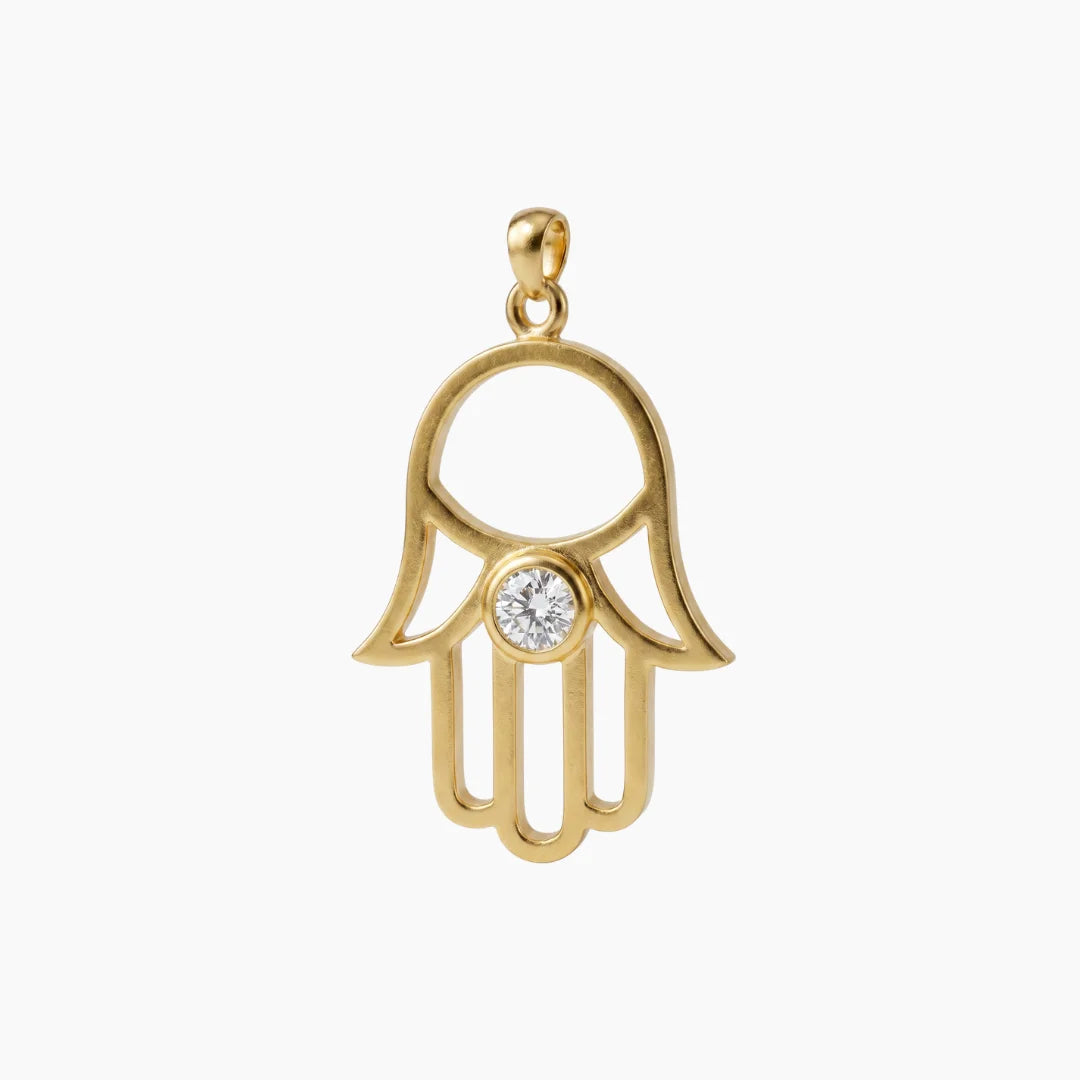
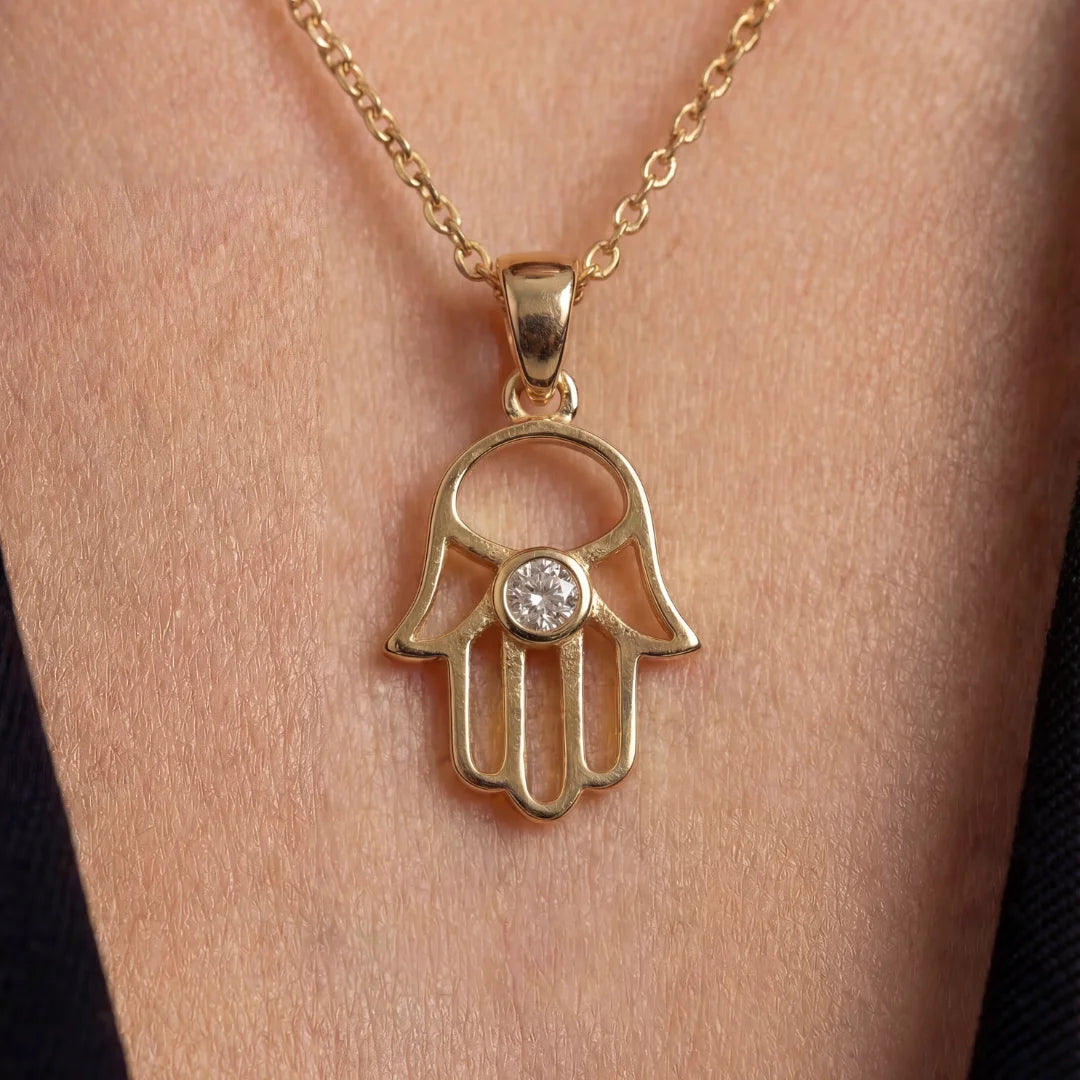
Some designs use a recognizable hand outline; others become more abstract. Look at the balance of the fingers, the width of the form and any central stone. Decide whether the motif should be the main visual feature or a quieter element in your wardrobe.

If choosing it for someone else, ask whether the symbol has a positive personal meaning for them. Shared heritage does not mean everyone wants to wear the same imagery.

Compare format, fit and material

A Hamsa pendant places the motif in a relatively stable position and can make its outline easy to see. A bracelet brings it into more frequent contact with desks, sleeves and other objects. Consider that difference before choosing a format based only on the front photograph.

If you prefer a bracelet

Measure your wrist and compare the available wearing lengths. Check the clasp, how the hand connects to the chain and whether the details catch during movement. Do not assume a cuff can be repeatedly bent to fit or that a bracelet described as adjustable suits every wrist.

If wearing it with a watch, avoid repeated metal-to-metal contact. A separate wrist may make the arrangement more comfortable and keep the symbol easier to see. These are general buying considerations; verify any specific Hamsa bracelet's availability before purchase.

If you prefer a pendant

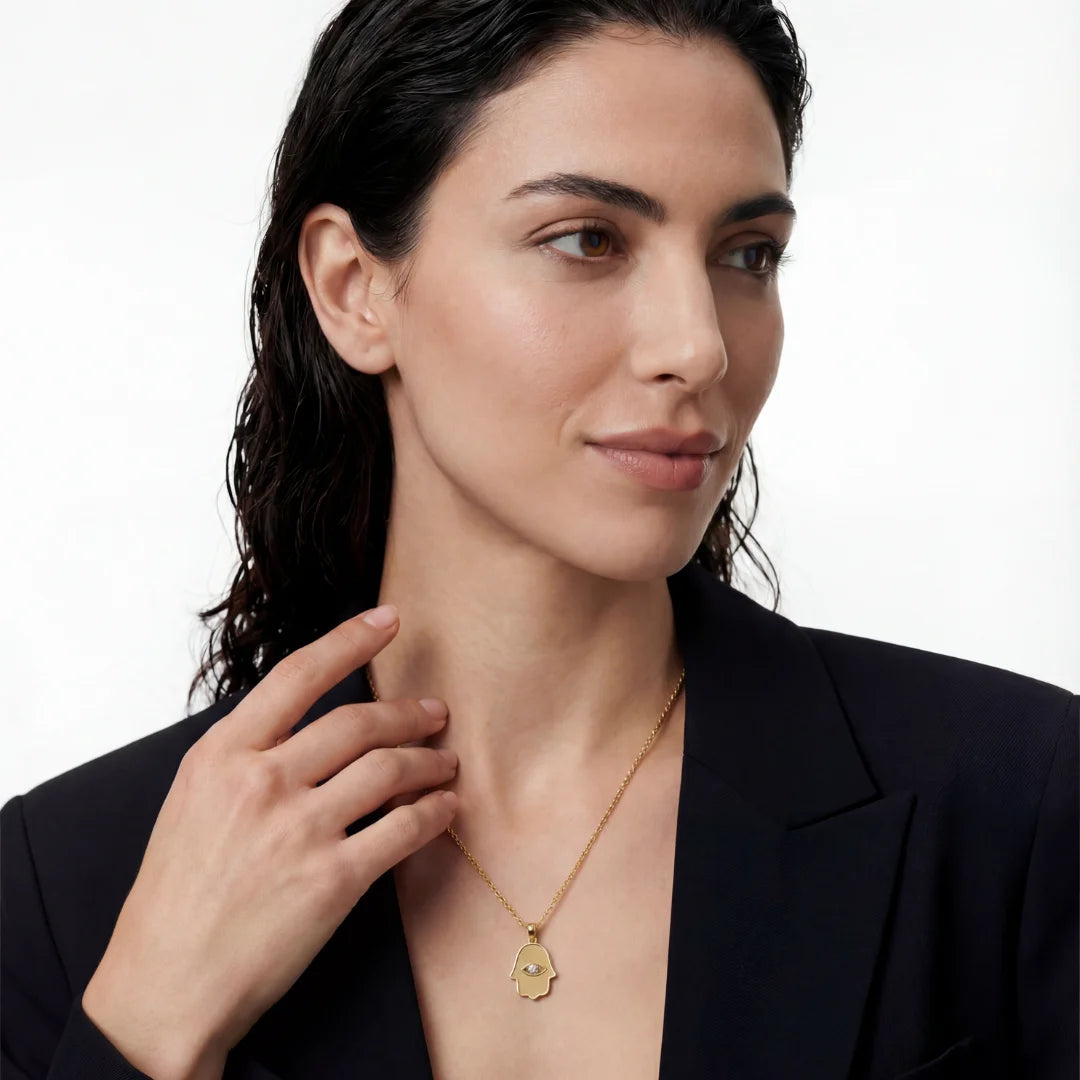
Confirm the pendant's dimensions and whether the selected option includes a chain. Compare its length with a necklace you already wear comfortably. If using your own chain, check the bail and the chain's suitability rather than forcing it through an opening.

Read material descriptions literally

Check the actual gold karat and color, the identity of any stone and whether a particular variant changes those details. Do not infer silver, gold plating or a gemstone from color alone. For a known metal sensitivity, request alloy information rather than assuming a precious-metal label guarantees comfort.

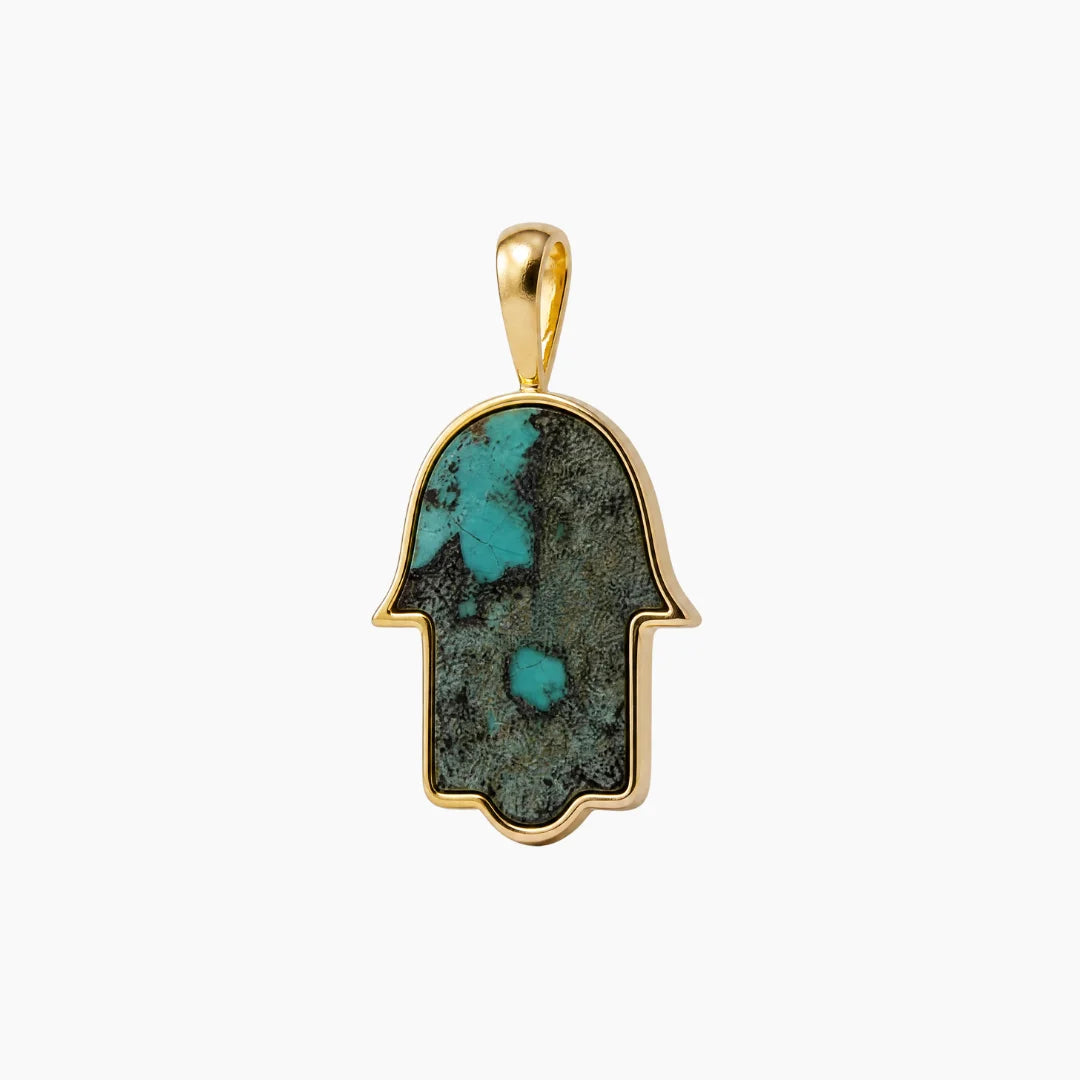
Keep care appropriate to the full piece. Remove it before water, exercise, sleep and cleaning. A Hamsa containing Eilat stone or another delicate material must follow that material's restrictions.

Browse Tyferet's current necklaces and bracelets for available symbolic designs. If a Hamsa is essential to your choice, ask about that exact request. A meaningful gift begins with an honest description of what is available.

Shop the pieces

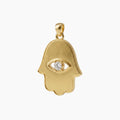
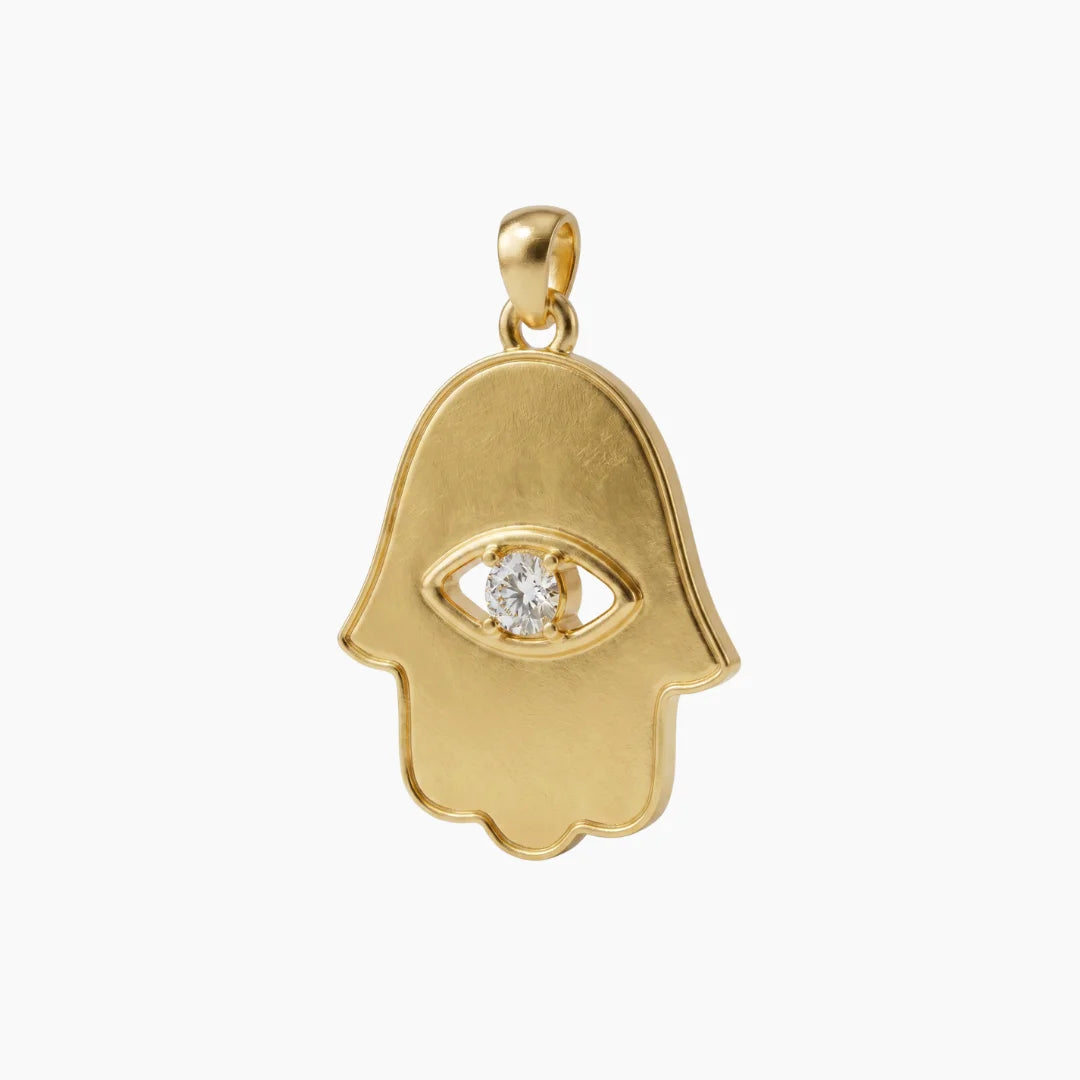
14k gold - Classic Hamsa & Evil Eye Necklace with lab-grown diamonds, handcrafted in Israel
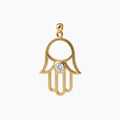
14k gold - Single Gemstone Classic Hamsa Necklace with lab-grown diamonds, handcrafted in Israel
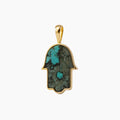
14K Gold Electric Blue - Eilat Stone & Diamonds Hamsa Necklace with natural Eilat Stone and lab-grown diamonds, handcrafted in Israel
  • Handmade in IsraelEach piece is made by hand
  • Free worldwide express shippingWherever you are in the world
  • Safe & secure paymentsProtected, encrypted checkout
  • Chat with an advisorHelp choosing a piece, size or metal

Frequently Asked Questions