The Star of David, also called the Magen David in Hebrew, is Judaism's most distinctive symbol. The six-pointed design has been around for centuries in books and even the Israeli flag and synagogues. But if it's a necklace, then the symbol becomes even more personal.
To others, a Star of David necklace is something beyond a piece of jewelry. It is a way of keeping identity, memory and religion close at hand. Some wear it to remind them of heritage, some as a badge of pride and many as an individual source of safety and strength.
In this post, we’ll explore what the Star of David necklace means, where it comes from, the different styles people wear and the role it plays in Jewish life today. We’ll also answer the most common questions people ask about this timeless piece.
The Meaning Behind the Star of David Necklace
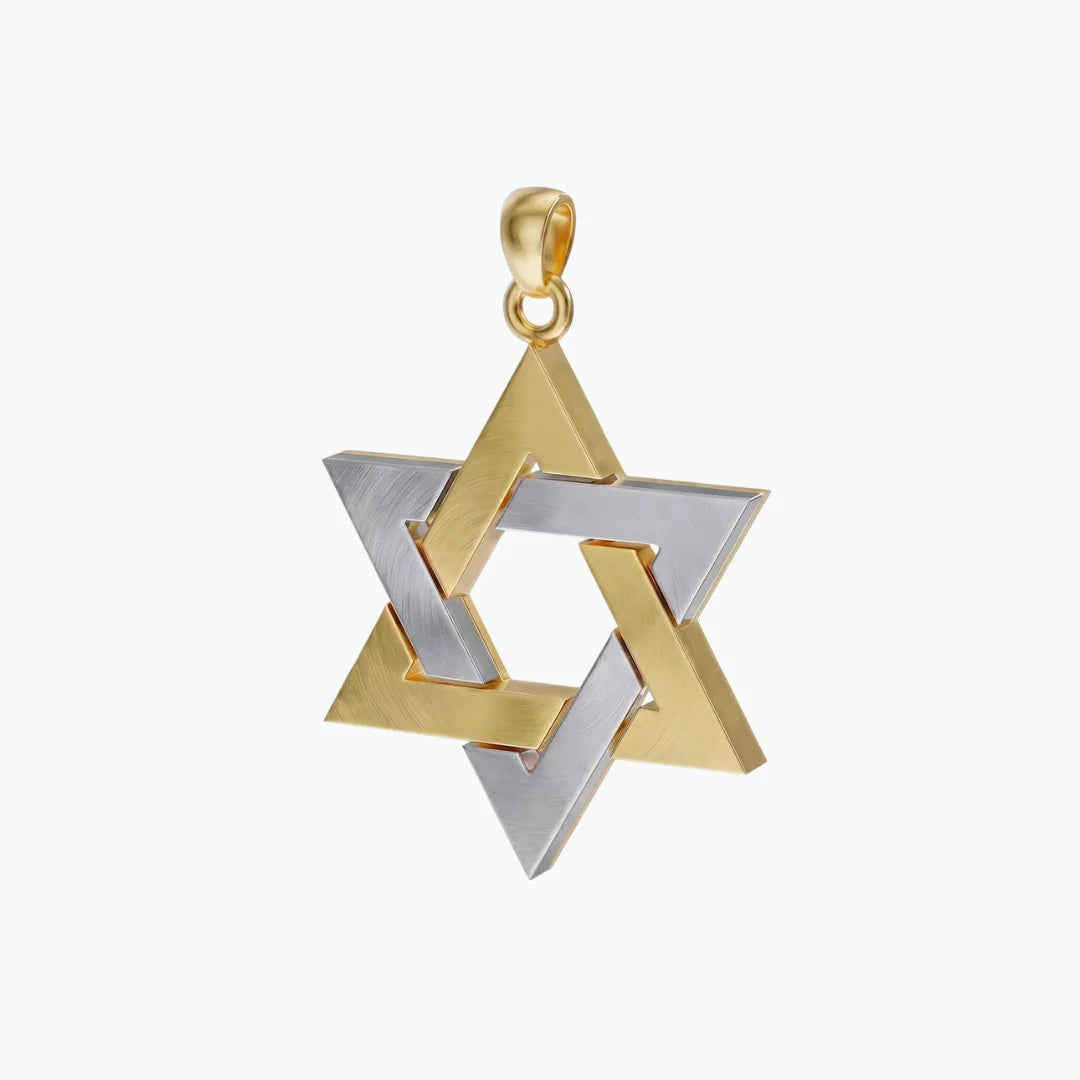
The Star of David is two interlocking triangles forming a six-pointed star. A simple but immensely powerful shape, it has come to be one of the most meaningful symbols of Jewish existence and identity.
What the Star Symbolizes in Judaism
The six points of the star are traditionally considered to represent God's presence in every direction, north, south, east, west, above and below. It is also considered to be a balance symbol: heaven and earth, spirit and body, God and man. It reminds others of God's protection and oneness for others.
Why It’s Worn as a Necklace
When the Star of David is worn as a necklace, it is intimate. Slung close to the heart, it may be an unobtrusive affirmation of religion, a way of marking heritage, or a symbol of survival. Some keep it in daily wear as protection, some save it for moments of ceremony or family ritual. However one chooses to wear it, in every case, the necklace turns an instantly recognisable Jewish sign all the more personal.
The Origins & History of the Star of David in Jewelry
The Star of David has quite a fascinating history prior to being worn as the necklace that we are familiar with. The six-pointed star, or hexagram, has been used in many cultures throughout the years as a cosmetic and symbolic figure. Its earliest applications among Jews were frequently used in artwork, manuscripts and synagogue walls. It wasn't its early application as jewelry, but rather as a symbol that was incorporated into the life of the community and religion.
From Symbol to Personal Jewelry
By the Middle Ages, Jewish populations were using the Star of David increasingly as a sign of protection and identity. They used it on shields, ritual items, and amulets. Later, the symbol infiltrated personal adornments. Pendants and necklaces with the Star of David became a way to carry one's religion about, both as protection and a sign of belonging in public.
In modern times, especially since the 19th century, the Star of David became the focal point symbol of Judaism. Jewelry then emerged as one of the most common and symbolic means of wearing it, making a community symbol personal and permanent.
Styles and Materials of Star of David Necklaces
Star of David necklaces come in countless styles, all having the same powerful symbol but in different form. Material, size, or style typically result from personal preference, tradition, or what is intended to be highlighted.
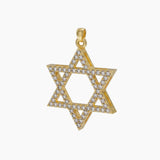
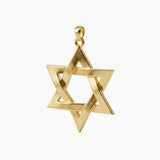
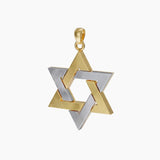
Gold Star of David Necklaces
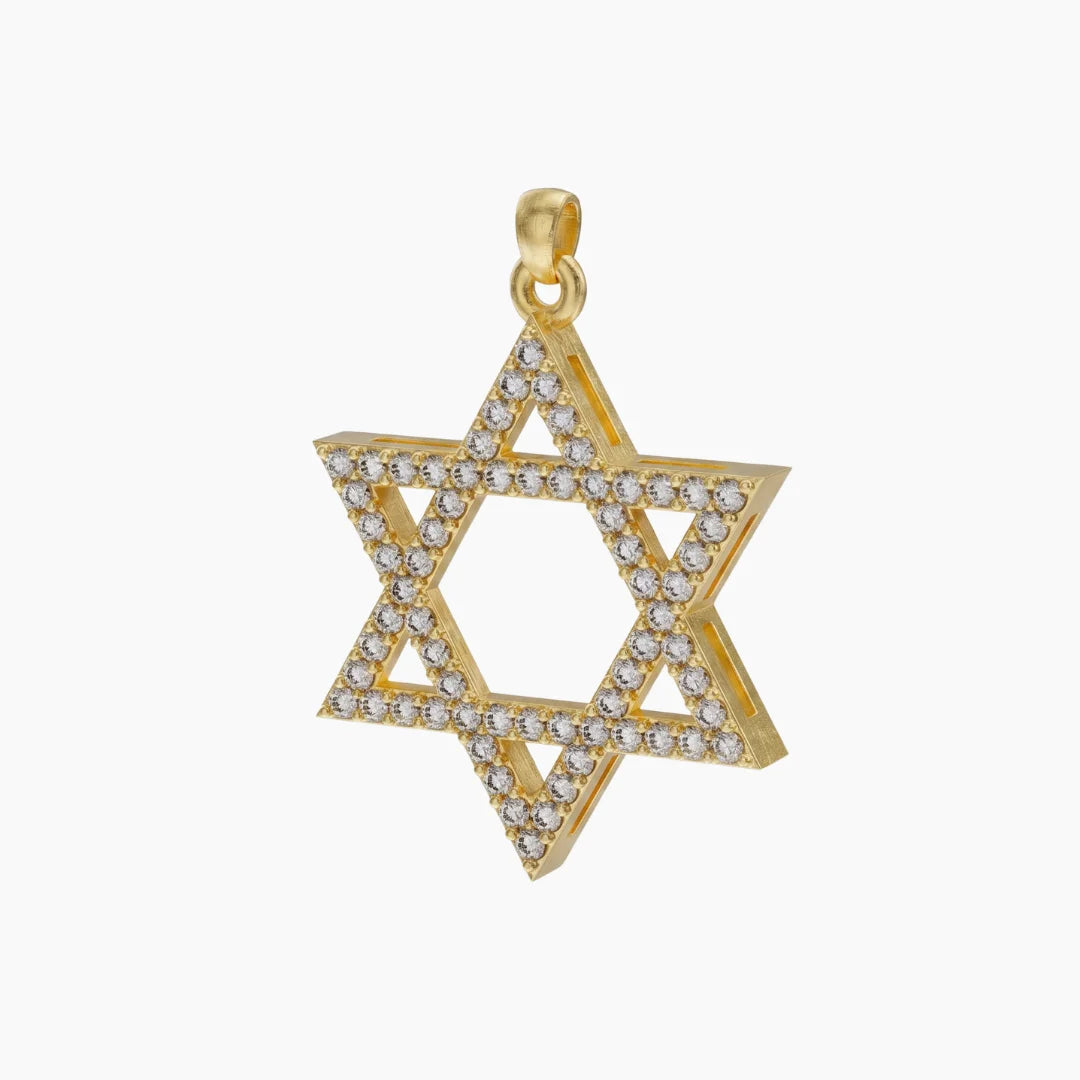
Gold is a classic favorite among Jewish jewelry. The Gold Star of David necklace is forever trendy and elegant, sometimes passed down as an heirloom. It's also requested for milestone celebrations like bar and bat mitzvahs, weddings, or anniversaries.
Silver Star of David Necklaces
Silver necklaces give a gentler, modern look. They are often chosen for daily wear, where simplicity blends with deep meaning. Silver pieces also often feature additional details, including engravings or small gemstones.
Men’s Star of David Necklaces
Male designs are generally larger in size and bolder in design. A few use heavier chains or combine the star with other symbols, like the Lion of Judah or the Ten Commandments. They generally emphasize strength, religion and identity.




 Mother Of PearlWhat Is Mother of Pearl? Color, Iridescence and Jewelry Design
 Our Craftsmanship Handmade Judaica Jewelry and What to Look For
 Tyferet SymbolThe Tyferet Symbol: A Modern Interpretation of the Star of David
 Jewish JewelryThe Timeless Elegance of Ashkenazi Jewelry: History, Symbolism, and Collecting Guide
 Mixing Gold & SilverThe Modern Guide to Mixing Gold and Silver Jewelry with Confidence
 Jerusalem RingJerusalem Ring: The Eternal City Engraved in Gold and Silver
 Jewish RingThe Hidden Meanings Behind Jewish Ring Inscriptions
 Ani Ledodi JewelryAni Ledodi Jewelry: The Song of Songs Wedding Phrase in Gold & Silver